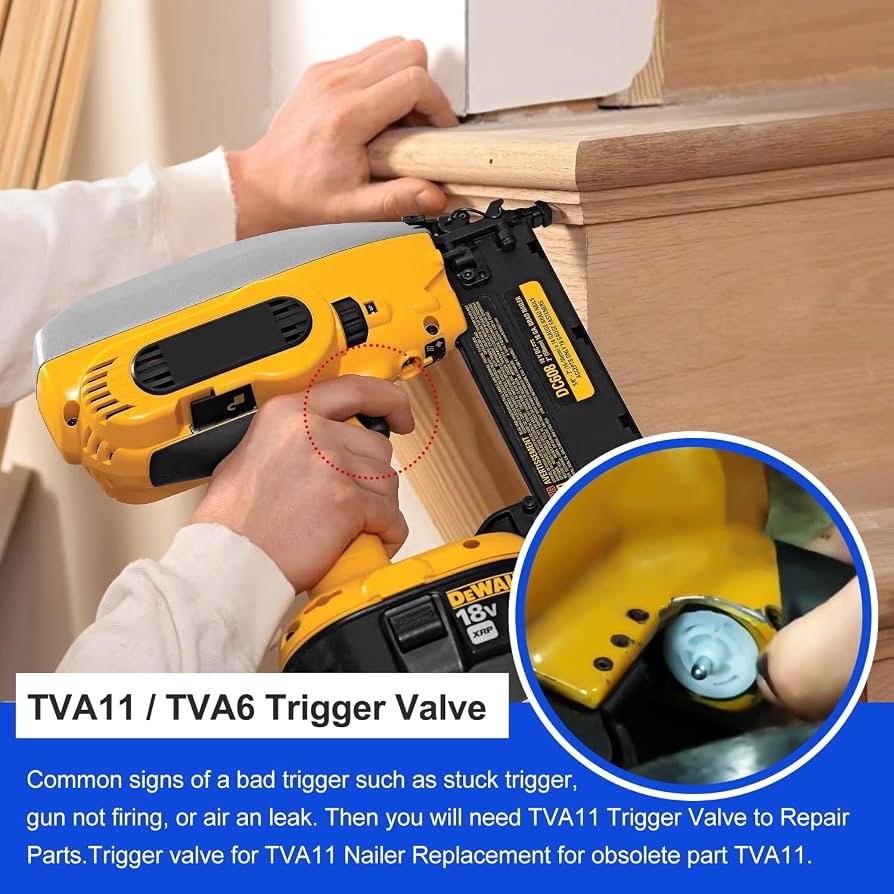
Nail Gun Misfiring: Causes And Fixes
Nail gun misfiring usually points to air, power, jam, wear, or trigger problems.
A nail gun misfiring can turn a fast job into a frustrating one, and I’ve seen that happen on jobs that looked simple at first. The good news is that most nail gun misfiring issues have clear causes, and once you know where to look, the fix is often straightforward. In this guide, I’ll walk you through the common reasons a nail gun misfires, how to troubleshoot it safely, and what to do to keep it working right.

What Nail Gun Misfiring Means
Nail gun misfiring means the tool does not drive a nail as expected. Sometimes it fires with no nail, drives only part way, double-fires, or makes a weak shot that leaves the nail sticking out. In other cases, the gun may click, hesitate, or refuse to fire at all.
This problem can happen with pneumatic, cordless, and electric nail guns. The root cause is not always the same, which is why it helps to narrow down the symptom first. A clean, well-maintained tool will usually give you more consistent results than one that has been ignored for a while.
From experience, the pattern matters. A nail gun that misfires once in a while often has a small issue like low pressure or a bent nail. A tool that misfires again and again may have worn seals, a damaged driver blade, or a trigger problem.

Common Causes of Nail Gun Misfiring
A nail gun misfiring usually comes from one of a handful of issues. The trick is not to guess, but to check the basics in order.
Low air pressure
If you use a pneumatic nail gun, low air pressure is one of the most common reasons for nail gun misfiring. The tool needs enough pressure to drive the nail fully into the material. If the compressor is set too low, or the hose leaks air, the gun may fire weakly or not at all.
Check the recommended pressure range on the tool label. Many finish nailers run well in the 70 to 120 PSI range, but always follow the manufacturer’s specs. Too little pressure can cause partial drives, while too much can damage internal parts.
Dirty or damaged nail magazine
A dirty magazine can stop nails from feeding smoothly. Dust, wood chips, and old lubricant can build up and cause the strip of nails to hang up. If the nails do not feed correctly, the gun may fire blank shots or jam.
I once spent too long chasing a “bad tool” when the real issue was a tiny bit of debris in the magazine track. After cleaning it out, the misfiring stopped right away. That kind of lesson sticks with you.
Wrong nail size or strip type
Using the wrong nail size is a very common mistake. Even if the nail looks close enough, small differences in length, gauge, angle, or collation type can cause feeding problems. That can lead to nail gun misfiring or repeated jams.
Always match the nail type to the tool’s specifications. Angled finish nailers, straight finish nailers, brad nailers, and framing nailers all use different nail strips. A close match is not good enough.
Jammed driver blade
The driver blade, sometimes called the firing pin or striker, pushes the nail out of the magazine and into the wood. If it gets bent, worn, or stuck, the nail gun may misfire or leave nails half-driven. This often happens after repeated jams or heavy use.
A jammed driver can also make the tool sound normal but perform badly. That is one reason a quick visual check can save time. If the nose looks damaged or the blade movement feels rough, stop using the tool until it is inspected.
Worn O-rings and internal seals
For pneumatic nail guns, worn O-rings and seals can leak air inside the tool. That reduces force and can make the tool fire inconsistently. Over time, the seals dry out, crack, or flatten from use.
This problem is common in older tools. If you hear air leaking or notice weaker shots even after checking the compressor, worn seals may be the reason. Repair kits are often available, but the work should be done carefully.
Weak battery or power issues
Cordless nail guns depend on battery charge and internal power systems. If the battery is weak, dirty, or failing, the tool may misfire or fail to complete the drive. Electric models can also suffer from power cord issues or internal electrical faults.
A battery that still powers the tool is not always a healthy battery. Under load, voltage can drop fast. If the gun works better with a fresh battery, that is a strong clue.
Trigger or safety lock problems
Modern nail guns use safety contact tips and trigger systems to reduce accidental firing. If the contact tip is stuck, dirty, or not fully pressed against the work surface, the gun may not fire. Trigger wear can also cause inconsistent operation.
This is a good safety feature, but it can feel like a problem when the tool is acting up. Check whether the nose piece moves freely and whether the trigger mode is set correctly. Sometimes the issue is simply a switched mode or a partially engaged safety.

How to Troubleshoot Nail Gun Misfiring Safely
Before touching the tool, disconnect the air hose or remove the battery. That is the first rule every time. A nail gun can hurt you fast if it fires unexpectedly.
Step 1: Check the nail type
Start with the basics. Make sure the nails match the tool’s recommended size, gauge, angle, and collation type.
If the nails are bent, rusty, or damaged, discard them. Poor-quality fasteners can cause feeding trouble even when the tool itself is fine.
Step 2: Inspect the air supply or battery
For pneumatic tools, verify the compressor pressure and hose connections. Listen for leaks and check whether the regulator is set correctly.
For cordless tools, use a fully charged battery. If possible, test with another battery to see whether the problem follows the power source.
Step 3: Clear jams and clean the magazine
Open the magazine and remove any stuck nails. Clean out dust and debris from the feed track and nose area.
Use a soft brush or compressed air if recommended by the manufacturer. Do not force parts that should move freely.
Step 4: Test the safety contact tip
Press the nose against a scrap piece of wood and see if it moves as expected. If the contact tip sticks or feels loose, it may need cleaning or repair.
Sometimes a small buildup of grime is enough to interrupt firing. A clean nose can make a big difference.
Step 5: Listen for air leaks or abnormal sounds
Air leaks, hissing, or odd clicking can point to seal problems. A harsh or sluggish sound may mean the internal parts are worn.
When I hear a tool change sound, I pay attention right away. Tools often tell you what is wrong if you slow down and listen.
Step 6: Check for wear and damage
Look for bent parts, cracked housings, worn seals, or a damaged driver blade. If the tool has been dropped, internal alignment may be off even if the outside looks fine.
If the problem keeps coming back, a full service may be the best option. Replacing one worn part without checking the rest can leave you in the same spot later.
Preventing Nail Gun Misfiring
A little maintenance goes a long way. Most nail gun misfiring problems are easier to prevent than to fix after the fact.
Keep the tool clean
Wipe down the gun after use and remove dust from the magazine and nose. Build-up inside the tool is like grit in a lock; it slows everything down.
Use the right fasteners
Only use nails that match the tool specs. Mixing strips or using bargain fasteners can create feeding trouble and extra wear.
Lubricate when required
Some pneumatic nail guns need a few drops of tool oil, while others do not. Follow the manual, because too much oil can be just as bad as too little.
Store the tool properly
Keep the nail gun in a dry place and away from extreme heat or cold. Moisture can damage internal parts, and cold weather can stiffen seals and reduce performance.
Inspect before each use
Before starting a job, check the hose, battery, trigger, magazine, and safety contact tip. A quick inspection takes less time than cleaning up after a misfire.

When Nail Gun Misfiring Becomes a Safety Problem
Nail gun misfiring is not just annoying. It can also create serious safety risks if the tool fires unpredictably or drives nails at the wrong angle.
A misfiring nail gun can cause:
- Nail ricochet or deflection
- Jams that tempt users to clear them too quickly
- Accidental double-fires
- Partial drives that leave sharp fasteners exposed
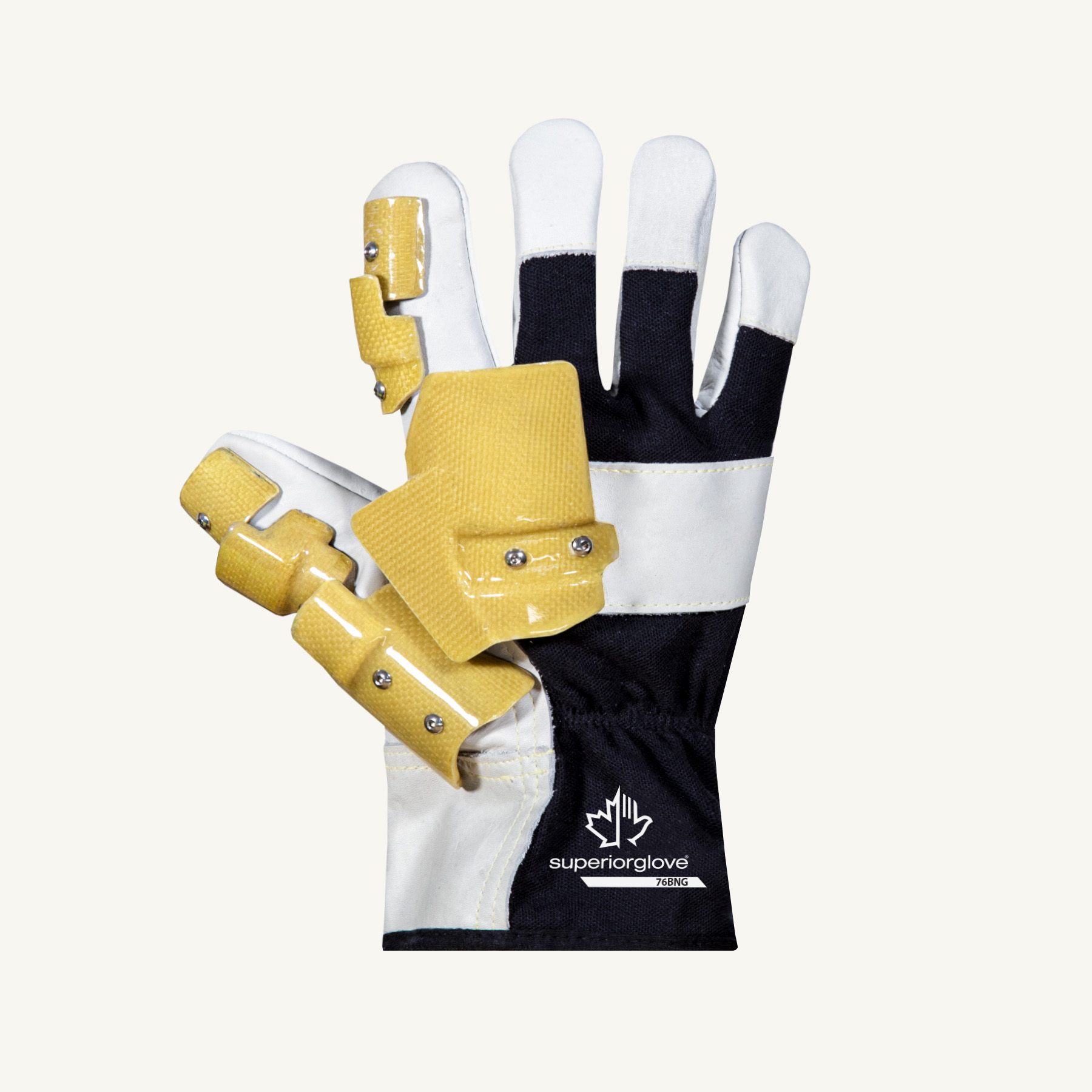
- Hand injuries during troubleshooting
I always tell people to treat a misfiring tool like a warning light on a car dashboard. You can keep driving for a moment, but you should not ignore it. If the gun behaves unpredictably, stop and diagnose it before continuing.
Professional Repair vs. DIY Fix
Some nail gun misfiring problems are simple enough to solve at home. Cleaning the magazine, changing the nails, or swapping a battery are normal DIY steps. These are safe first moves if you follow the tool’s manual.
Other problems need a repair tech. If the driver blade is bent, the seals are failing, or the trigger assembly is damaged, a proper repair may be the safest choice. Rebuilding a nail gun without the right parts or knowledge can make the problem worse.
A good rule is this: if the issue is external, try a basic fix. If the issue is internal, repeated, or unsafe, get professional help.
Best Practices for Reliable Nail Gun Performance
Reliable tools are built on small habits. The more consistent your routine, the less likely you are to deal with nail gun misfiring.
Here are a few habits that help:
- Use clean, dry nails from a trusted source
- Match pressure settings to the job and tool type
- Keep the magazine and nose free of debris
- Replace worn seals and parts on schedule
- Store batteries charged and handled properly
- Read the tool manual before using a new model
These sound simple, but they add up. Most tool failures start as small issues that were easy to catch early.

Frequently Asked Questions of Nail gun misfiring
Why does my nail gun fire but not drive the nail all the way?
This usually happens when air pressure is too low, the battery is weak, or the driver blade is worn. It can also happen if the nail is the wrong size or the wood is too hard for the current setting.
Why is my nail gun double-firing?
Double-firing often points to a trigger mode issue, a worn contact tip, or a problem inside the firing mechanism. Stop using the tool right away and inspect it, since double-firing can be a safety risk.
Can dirty nails cause nail gun misfiring?
Yes, dirty, bent, rusted, or poor-quality nails can cause feeding problems and jams. Even a good nail gun may misfire if the fasteners do not move smoothly through the magazine.
Should I oil my nail gun if it is misfiring?
Only if the manufacturer says the tool needs oil. Some pneumatic models require a small amount of lubrication, while others do not; using the wrong amount can create more problems than it solves.
When should I replace a nail gun instead of repairing it?
If the tool has repeated internal failures, major wear, or repair costs close to the price of a new model, replacement may make more sense. Older tools with hard-to-find parts are also often better replaced than repeatedly patched.
Conclusion
Nail gun misfiring usually comes down to a few clear causes: low pressure, bad fasteners, jams, worn seals, weak power, or trigger trouble. Once you know what to check, the problem becomes much easier to solve without wasting time or risking injury.
The best approach is simple. Start with the basics, work safely, and keep the tool clean and maintained. If the problem keeps returning, do not push through it, because a small misfire can turn into a bigger repair or a real safety issue.
Take a few minutes today to inspect your nail gun, fix small issues early, and keep your work moving smoothly. If you found this guide helpful, explore more tool maintenance tips and leave a comment with your own troubleshooting experience.