Ryobi Drill Smoking: Causes, Fixes, And Safety Tips
A smoking Ryobi drill often signals motor strain, a jammed bit, worn brushes, or an electrical fault.
Ryobi drill smoking can feel alarming, especially when the tool smells hot or stops during a job. In most cases, the smoke comes from excess heat caused by overload, poor airflow, a damaged motor, or a failing battery connection. This guide explains how to find the cause, what you can safely fix, and when the drill should be replaced.
Stop using the drill immediately
If you see smoke from a Ryobi drill, release the trigger at once. Remove the battery only after the tool has stopped moving and the battery feels safe to handle.
Do not keep drilling to “see if it clears.” A small amount of smoke can quickly turn into melted plastic, damaged wiring, or a battery fire. Place the drill on a nonflammable surface, such as bare concrete, and let it cool in a dry, open area.
Watch for these warning signs:
• Smoke that continues after the trigger is released
• Sparks near the motor vents
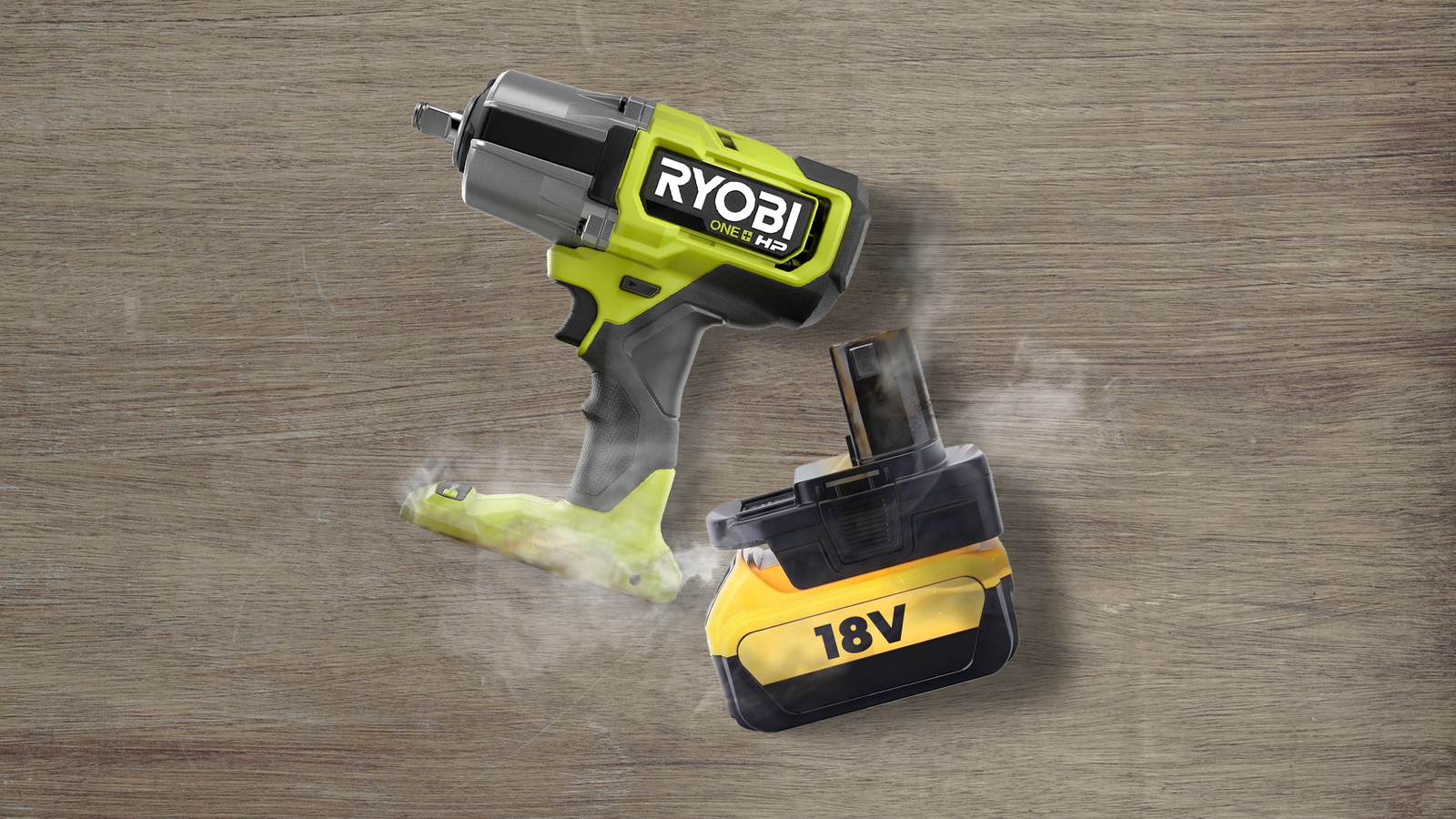
• A battery that is swollen, leaking, cracked, or very hot
• A sharp burning smell that resembles melted plastic
• A trigger that sticks or fails to release
• A loud grinding, popping, or buzzing sound
Never spray water into the drill. Water can create a shock risk and may damage the electronics. If the battery is smoking, move away from it and call emergency services if a fire starts.

Why is my Ryobi drill smoking?
A Ryobi drill usually smokes because its motor or electrical parts are producing more heat than they can release. The cause may be simple, such as pushing too hard, or serious, such as a shorted motor winding.
Common causes include:
Overloading the motor
Drilling large holes, driving long screws, or working in dense wood can place heavy demand on the motor. If the bit turns too slowly, the motor may draw more current and build heat.
A drill is not meant to work like a high-torque impact wrench. If the chuck stalls, release the trigger quickly. Holding the trigger while the bit is stuck is one of the fastest ways to make a Ryobi drill smoke.
A jammed or dull bit
A dull bit creates friction. A bent bit can also wobble and rub against the material. Both problems force the drill to work harder.
Use a sharp bit that matches the material. For metal, apply suitable cutting oil and use a slower speed. For wood, withdraw the bit from time to time to clear chips.
Blocked cooling vents
Most cordless drills use air movement to cool the motor. Dust, wood chips, and drywall powder can block the vents.
Keep the vents clear with a soft brush or dry compressed air. Do not insert metal tools into the vents. Avoid high-pressure air close to bearings or electronic parts, since it can push dust deeper into the drill.
Worn carbon brushes
Some Ryobi drills use brushed motors. Carbon brushes carry power to the spinning motor. Over time, they wear down and may produce extra sparks, heat, and smoke.
Brush wear is more likely when the drill has seen years of heavy use. A sudden loss of power, intermittent operation, or visible sparking through the vents can point to worn brushes.
Damaged motor windings
The motor windings can burn or short internally. This often causes a strong electrical smell, smoke from the vents, poor speed control, or a motor that becomes hot within seconds.
A damaged winding is not a simple cleaning issue. It usually requires motor replacement or a new drill.
A faulty battery or connection
A dirty, loose, or damaged battery contact can create resistance. Resistance produces heat, much like a narrow section of wire becoming hot under heavy current.
Inspect the battery rails and contacts for dirt, discoloration, melting, or corrosion. Stop using any battery with a swollen case, damaged shell, liquid leak, or unusual heat.
A failing switch or electronic control
Modern Ryobi drills may use electronic controls that regulate speed and protect the motor. A damaged trigger or control board can cause erratic speed, heat, or a burning smell.
This repair is best left to a qualified technician. Opening the tool can expose live electrical parts and may affect the warranty.

Is a little smoke from a Ryobi drill normal?
No. A small puff of smoke is not normal, even during hard drilling. Heat and a mild warm smell may occur during a short period of heavy use, but visible smoke means something is overheating or burning.
New tools can sometimes release a light odor from manufacturing residue during early use. That odor should fade and should not come with smoke, sparks, melted parts, or a rapid rise in temperature.
An old drill may also release dust that looks like smoke when the chuck spins. Stop the tool and inspect the area. True smoke usually has a sharp smell and rises from the motor vents, trigger area, or battery connection.
What to check after a Ryobi drill cools
Wait until the drill and battery are fully cool. Then carry out a visual inspection without opening the tool.
Check the following:
• Look for melted plastic around the battery slot, trigger, or vents.
• Inspect the chuck for wobble, damage, or a bit that is stuck.
• Check the bit for dull edges, bending, or burn marks.
• Look through the vents for heavy dust or black carbon residue.
• Smell the drill from a safe distance for an electrical or plastic odor.
• Examine the battery for swelling, cracks, leaks, or heat damage.
• Compare the battery contacts with another clean, compatible Ryobi battery.
Do not test a drill that has melted plastic, exposed wire, severe sparking, or a battery fault. Mark the damaged battery so nobody accidentally puts it back on a charger.
If the drill appears clean, try turning the chuck by hand with the battery removed. It should move smoothly, though gear resistance is normal. A rough, locked, or grinding chuck suggests a mechanical problem.

Safe troubleshooting steps
If there is no visible damage and the smoke stopped quickly, you can perform a limited test. Use only a charged, genuine, compatible Ryobi battery and a sharp bit.
-
Remove the bit and inspect the chuck.
-
Clean the vents and battery contacts with a dry cloth or soft brush.
-
Install the battery firmly.
-
Run the drill with no bit for only two or three seconds.
-
Listen for grinding, arcing, or uneven speed.
-
Stop at once if smoke, sparks, or a burning smell returns.
-
If the no-load test is normal, test it briefly in soft wood using low pressure.
The drill should do most of the work. Your hand should guide it, not force it. If the motor slows sharply when you apply light pressure, the tool may have an internal fault.
Do not bypass the trigger, remove safety parts, connect a different voltage battery, or use an unapproved battery pack. These actions can cause severe damage and may create a fire risk.
How to prevent a Ryobi drill from smoking
Good drilling habits protect both the tool and the battery. They also make work faster because the bit cuts instead of rubbing.
Use these habits:
• Select low speed for large bits and high speed for small bits when the material allows it.
• Use the correct gear on a two-speed drill.
• Keep bits sharp and straight.
• Reduce pressure when the motor slows.
• Pull the bit out often when drilling deep holes.
• Use cutting fluid when drilling metal.
• Avoid holding the trigger while the chuck is stalled.
• Keep cooling vents free from dust.
• Let the drill cool during long jobs.
• Charge batteries with the correct Ryobi charger.
• Store batteries in a cool, dry place away from direct sun.
• Use a clutch setting for screws instead of maximum power every time.
In my practical tool-testing approach, the most common mistake is treating a cordless drill like a small commercial drill press. People press harder when the bit slows, but that often makes the problem worse. A pause, a sharper bit, and less pressure usually produce a cleaner hole with much less heat.

Brushed and brushless Ryobi drills
The repair path depends partly on the motor type. Ryobi sells both brushed and brushless cordless drills.
A brushed motor uses carbon brushes. These parts wear and may cause visible sparks, a burnt smell, or intermittent power. Some brush assemblies can be replaced, but the correct part and repair method depend on the model.
A brushless motor uses electronic control instead of traditional carbon brushes. It often runs efficiently and has fewer wear parts, but a failed control board or motor can be more complex and costly to repair.
Check the model number on the drill label or battery area. Do not assume that every Ryobi drill uses the same parts. Models vary in voltage, motor design, gearbox, switch, and service options.
If the tool is under warranty, contact Ryobi support or an authorized service center before opening it. Keep the receipt, model number, and a brief description of what happened.
When should you replace the drill?
Replacement may make more sense when the drill has severe heat damage or an expensive internal fault. A repair is less attractive if the tool is old, the chuck is worn, and the battery system is also failing.
Replace or professionally service the drill when:
• Smoke returns during a no-load test
• The motor sparks heavily
• The housing is melted or cracked
• The drill smells strongly of burned insulation
• The chuck or gearbox locks up
• The trigger becomes hot or behaves unpredictably
• The battery slot shows signs of arcing
• A service center confirms damaged windings or electronics
Do not throw a damaged lithium-ion battery into household trash. Follow local battery recycling rules. Tape exposed battery terminals before transport, and keep damaged packs away from heat and metal objects.
Can you repair a smoking Ryobi drill?
Sometimes. Cleaning the vents, replacing a dull bit, or removing a small amount of debris may solve a heat problem. Brush replacement may also be possible on certain brushed models.
However, motor windings, control boards, switches, and battery damage need proper diagnosis. A repair shop can test current draw, motor condition, insulation, and battery health more safely than a basic home inspection.
The cost should guide the decision. Compare the repair estimate with the price of a new drill body, especially if you already own compatible Ryobi batteries. Never repair a lithium-ion battery pack by opening or rebuilding it unless you have specialist training and proper equipment.
Mistakes that can make the problem worse
Many damaged drills suffer a second failure because the first warning was ignored. Avoid these common mistakes:
• Continuing to drill after seeing smoke
• Charging a hot or damaged battery
• Spraying lubricant into the motor vents
• Using water to cool the drill
• Testing with a battery that is not made for the tool
• Blocking the vents with your hand
• Forcing a bit through hard material
• Opening the battery pack
• Replacing a fuse or wire with an unsuitable part
• Assuming a burning smell will disappear on its own
Cooling the outside of the tool does not repair burned insulation. It only hides the symptom for a short time. Think of smoke as the drill waving a red flag, not as a minor inconvenience.
Frequently Asked Questions of Ryobi drill smoking
Why is my Ryobi drill smoking when drilling wood?
The bit may be dull, the hole may be too large, or you may be pushing too hard. Stop the drill, let it cool, clear the wood chips, and try a sharp bit with lower pressure.
Can a Ryobi battery cause the drill to smoke?
Yes. A damaged battery, dirty contact, or loose connection can create heat and electrical arcing. Do not use a battery that is swollen, cracked, leaking, or unusually hot.
Is a burning smell from a Ryobi drill dangerous?
It can be. A mild warm smell after hard use may fade, but a sharp smell of burned plastic or insulation suggests overheating or electrical damage. Stop using the drill and inspect it only after it cools.
Should I replace the carbon brushes in a smoking Ryobi drill?
Only if your model uses replaceable brushes and the rest of the tool is in good condition. Heavy sparking, smoke, or burned windings may mean the motor needs professional service instead.
Can I use the Ryobi drill again after it stops smoking?
Only after it cools and passes a careful visual inspection. If smoke, sparks, grinding, or a strong burning smell returns during a brief test, remove the battery and stop using the tool.
Why does my Ryobi drill smoke even with no bit installed?
A no-load smoking drill may have worn brushes, damaged windings, a failing switch, blocked vents, or an electronic fault. This points to an internal problem rather than excessive resistance from the bit.
Conclusion
Ryobi drill smoking is a warning that the motor, battery connection, or electronics may be overheating. Stop the tool, remove the battery safely, let everything cool, and inspect for dust, damage, a jammed bit, and battery problems.
A sharp bit, correct speed, light pressure, clean vents, and regular cooling can prevent many cases. If smoke returns, sparks appear, or plastic has melted, choose professional service or replacement instead of risking a fire or further damage. Follow these steps, protect your batteries, and share your experience or questions in the comments.