Circular Saw Blade Wobbling: Causes And Easy Fixes
Circular saw blade wobbling usually comes from a bent blade, loose arbor parts, dirt, or an incorrect blade fit.
Circular saw blade wobbling is more than an annoying vibration. It can cause rough cuts, burning, kickback, blade damage, and serious loss of control. After checking many common saw problems, one lesson stands out: a wobbling blade rarely fixes itself. The cause is often simple to find if you inspect the blade, arbor, washer, and guard in the right order.

What Circular Saw Blade Wobbling Looks Like
A stable circular saw blade spins in one flat plane. Its teeth should move in a smooth circle without shifting from side to side. When the blade wobbles, the teeth may appear to sway, the saw may vibrate, or the cut may become wider than the blade’s kerf.
You may notice these signs:
• The saw shakes while it runs
• The cut line looks uneven or wanders
• The blade makes a pulsing or scraping sound
• The motor sounds strained
• The wood shows burn marks
• The blade guard moves poorly
• The saw produces more dust than usual
• The blade seems to move sideways when viewed from the front
Circular saw blade wobbling can happen during startup, under load, or at full speed. A slight movement at low speed may become a dangerous swing when the blade reaches operating speed.
Never test a suspected problem by touching the blade or running the saw near your hand. Unplug the tool or remove its battery before inspecting any part.

Is Circular Saw Blade Wobbling Dangerous?
Yes. Circular saw blade wobbling can increase the chance of kickback. Kickback occurs when the blade binds in the material and pushes the saw rapidly back toward the operator.
A wobbling blade can also:
• Cut a wider path than expected
• Catch the wood instead of slicing cleanly
• Overheat the blade and motor
• Damage the arbor or blade guard
• Throw small pieces of wood or carbide
• Reduce control during a plunge or crosscut
Industry safety guidance stresses the same basic rule: inspect the tool before use, keep guards in place, and disconnect power before making adjustments. The blade should stop fully before you set the saw down.
Stop using the saw at once if the blade hits metal, the tool suffers a hard drop, or the arbor sounds rough. A blade can look normal while its body or mounting hole is damaged.

Main Causes of Circular Saw Blade Wobbling
Finding the cause is easier when you treat the saw like a wheel. The blade must be flat, centered, tight, and supported evenly. If any one of these conditions fails, the blade may wobble.
Bent or damaged blade
A blade can bend after a drop, a hard bind, or contact with a nail. Thin blades may also warp from heat. Even a small bend can create visible side movement at the tooth tips.
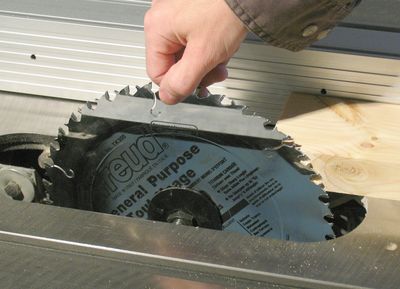
Place the blade on a clean, flat surface after removing it from the saw. If it rocks, has a visible curve, or shows cracked carbide teeth, replace it. Do not try to straighten a carbide tipped blade with pliers or a hammer.
Dirty blade washers or arbor
Dust, resin, rust, and wood chips can collect between the blade and the inner washer. This creates a tiny gap. When you tighten the arbor nut, the blade may sit at an angle.
Clean both washers and the arbor shoulder with a dry brush. Remove stubborn resin with a product approved for saw blades. Keep liquid away from the motor and electrical parts.
Loose arbor nut
A loose arbor nut lets the blade shift during rotation. It may also make a clicking sound or leave shiny marks around the mounting hole.
Use the correct wrench and follow the tool maker’s tightening instructions. Do not use an impact driver unless the manufacturer specifically allows it. Over tightening can damage the arbor, threads, or blade.
Wrong blade size or arbor hole
A circular saw blade must match the saw’s required diameter, arbor hole, and speed rating. A blade with the wrong hole may not center correctly.
Never use a loose bushing, homemade spacer, or damaged reducing ring. A proper factory ring can be safe when approved for that blade and saw. An improvised ring can shift and create circular saw blade wobbling.
Damaged arbor or spindle
The arbor is the shaft that holds the blade. If it is bent, worn, or loose in its bearings, a new blade may still wobble.
With the blade removed, rotate the arbor by hand. It should turn smoothly without grinding or side play. If the shaft moves sideways, the tool needs professional service.
Bent blade flange or washer
The inner and outer washers press the blade flat. A warped washer cannot support the blade evenly. This problem often appears after the saw has been dropped or the blade has been forced through a bind.
Inspect the washers against a flat surface. Replace damaged parts with the exact components made for the saw.
Worn bearings
Motor bearings support the spinning shaft. Bad bearings can cause vibration, noise, heat, and circular saw blade wobbling.
A low hum is normal for some tools, but grinding, rumbling, or increasing side movement is not. Bearing repair often requires disassembly, so a repair center is the safer choice.

How to Diagnose Circular Saw Blade Wobbling
Use a simple process. Do not guess by replacing parts at random. A careful inspection can save money and prevent an unsafe test.
-
Disconnect the power. Unplug the saw or remove its battery. Wait until every moving part stops.
-
Inspect the blade. Look for bends, cracks, missing carbide, uneven wear, and pitch buildup.
-
Check the blade direction. The arrow on the blade must match the rotation arrow on the saw.
-
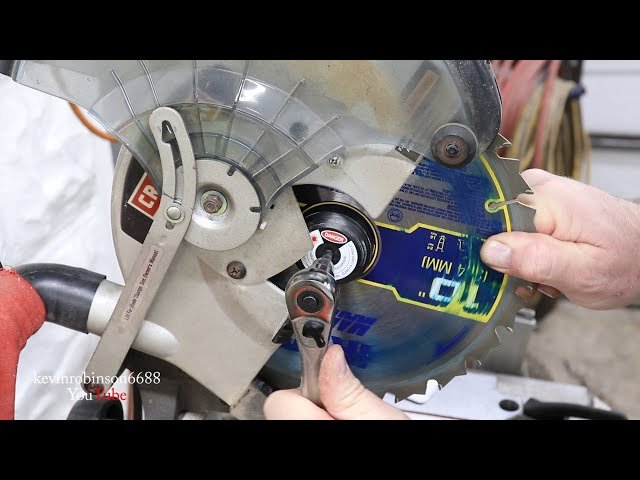
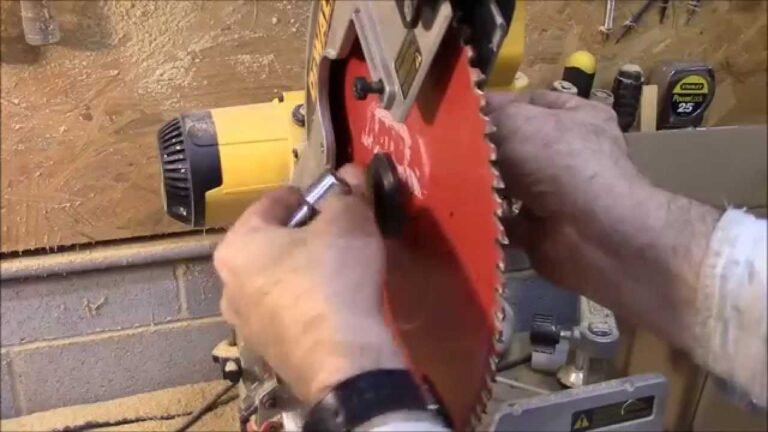
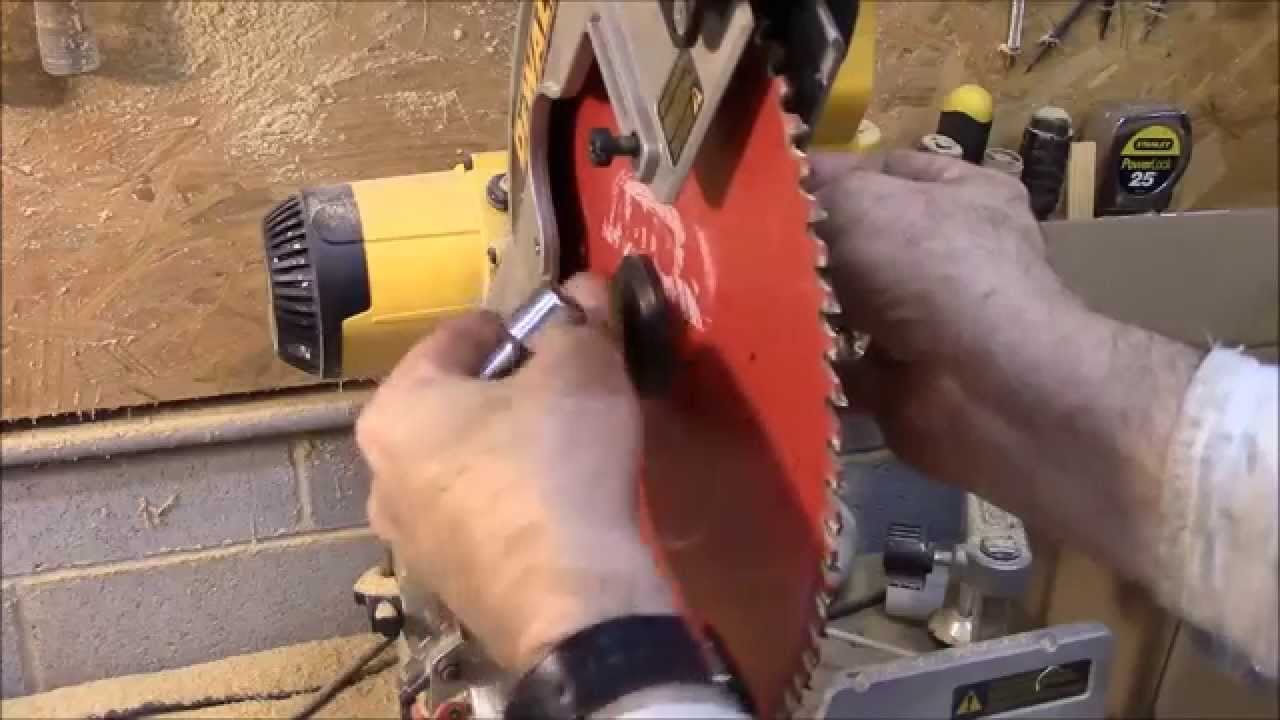
Remove and clean the blade. Brush away dust from the arbor, inner washer, outer washer, and blade mounting hole.
-
Check the blade fit. The blade should sit snugly on the arbor without rocking.
-
Inspect the washers. Look for dents, burrs, rust, and signs that the blade was clamped at an angle.
-
Reinstall the blade. Tighten the arbor nut as directed by the manufacturer.
-
Check the lower guard. It should move freely and return fully without touching the blade.
-
Run a safe test. Keep the saw clear of the material and your body. If the blade still moves sideways, stop and seek service.
A useful shop test is to compare the blade with a known good blade of the correct size. If both blades wobble, the problem may be in the arbor, washers, or bearings. If only one blade wobbles, replace that blade.
Do not hold a ruler, pencil, or scrap wood against a spinning blade to measure movement. That shortcut can turn a small repair into a serious injury.
How to Fix Circular Saw Blade Wobbling
The correct repair depends on the cause. Start with simple cleaning and inspection before considering internal repairs.
Clean and reseat the blade
Remove the blade and clean every contact surface. The blade must sit flat against the inner washer. The outer washer must also face the correct direction.
Many saws use washers with a raised center or a specific orientation. Follow the owner’s manual because the correct position differs by model.
Replace a damaged blade
Replace any blade with a bend, crack, loose tooth, or damaged arbor hole. The cost of a new blade is small compared with the cost of a damaged saw or injury.
Select a blade with:
• The correct diameter
• The correct arbor hole
• A speed rating at or above the saw’s maximum speed
• The right tooth design for the material
• A kerf that suits the saw’s power and guide system
Replace bent washers
Use genuine replacement washers when possible. A washer that looks only slightly bent can still create circular saw blade wobbling at high speed.
Do not sand away a bent area or add extra washers. The blade needs even pressure across the mounting surface.
Service the arbor or bearings
If the arbor has side play or the motor makes a rough sound, stop using the saw. Internal repairs need the right tools and parts. A trained technician can check shaft runout, bearing condition, and motor alignment.
Trying to repair a pressed bearing without proper support can damage the housing. It may also leave the saw less safe than before.

Why a Circular Saw Blade Wobbles Only in Wood
Sometimes the blade looks steady in the air but wobbles during a cut. This can point to a load problem rather than a simple mounting problem.
The blade may bind when:
• The wood closes behind the cut
• The material is not supported correctly
• The cut line changes direction
• The blade is dull or has the wrong tooth count
• The saw is pushed too fast
• The blade depth is set too deep
• Hidden nails or screws contact the teeth
A dull blade needs more force. That extra force can twist the saw and make the blade appear to wobble. A blade with the wrong tooth pattern can also produce poor control in plywood, hardwood, or pressure treated lumber.
Set the blade depth so the lowest tooth extends only slightly below the material. Support the work on both sides of the cut, but keep the offcut from pinching the blade. Guide the saw at a steady pace and let the teeth do the work.
In shop use, one common mistake is blaming the blade when the real problem is poor material support. Wood that sags or closes around the kerf can push the blade sideways like a hand turning a bicycle wheel.

How to Prevent Circular Saw Blade Wobbling
Good care prevents most blade movement. Store blades flat or in a case where the teeth cannot hit tools. Do not toss loose blades into a toolbox.
Before each job:
• Inspect the blade and arbor hole
• Check that the guard works smoothly
• Confirm the blade is tight
• Match the blade to the material
• Check the saw’s speed and power requirements
• Remove nails, screws, and other metal from the cut path
• Use eye and hearing protection
• Keep both hands on the saw when the design allows it
Avoid forcing the saw through thick or hard stock. Let the motor keep a steady speed. If the motor slows sharply, ease back and check the blade, material, and cutting method.
Replace blades when they become dull, chipped, warped, or coated with heavy resin. Sharpening may be useful for some high quality blades, but a damaged blade should not be restored through sharpening.
Keep the arbor threads clean. Never use a blade that exceeds the saw’s maximum diameter or speed rating. These limits are set for a reason and are part of the tool’s safety design.

Circular Saw Blade Wobbling Compared With Normal Vibration
Some vibration is normal. Portable saws contain a motor, gears, and a rotating blade, so they will not feel perfectly still. The key difference is steady vibration versus irregular blade movement.
Normal vibration is usually:
• Mild and consistent
• Present even when the saw is not cutting
• Not linked with a visible side shift
• Free from grinding or scraping sounds
A problem is more likely when vibration increases suddenly, changes with speed, or creates a visible wobble. Burning wood, uneven cuts, and a blade that touches the guard are warning signs.
A new saw can also vibrate if the blade is installed backward or if the wrong blade is fitted. Always compare the blade arrow with the rotation arrow before testing the tool.
If you are unsure, do not rely only on sound. Unplug the saw and inspect it. A quiet fault can still cause circular saw blade wobbling and kickback.
When to Replace the Saw
A new blade may solve the issue, but not every saw is worth repairing. Consider replacement or professional service when the tool has suffered a major impact, has a cracked housing, or shows repeated circular saw blade wobbling.
Seek help if:
• The arbor has visible side movement
• The blade guard sticks or fails to close
• The power cord or battery connection is damaged
• The motor smells burnt
• The saw sparks heavily
• The washers do not sit flat
• Wobbling continues with two known good blades
• The tool makes grinding or knocking sounds
A professional can measure arbor runout with a dial indicator. This gives a more accurate result than judging movement by eye. The acceptable amount depends on the saw design and manufacturer’s specification.
Do not remove safety guards to make a cut easier. The guard protects you from the blade during setup, movement, and kickback. If it does not work correctly, repair the saw before using it.
Frequently Asked Questions About Circular Saw Blade Wobbling
Why is my circular saw blade wobbling?
The most common causes are a bent blade, loose arbor nut, dirty mounting surfaces, damaged washers, or a worn arbor. Remove the power source and inspect each part before using the saw again.
Can a loose blade cause circular saw blade wobbling?
Yes. A loose arbor nut can let the blade shift and create side movement during rotation. Tighten it according to the manufacturer’s instructions, and replace damaged washers or threads.
How do I know if my circular saw blade is bent?
Remove the blade and place it on a clean, flat surface. If it rocks, has a visible curve, or does not lie flat, replace it rather than trying to straighten it.
Is a small amount of blade wobble normal?
A tiny visual variation may be hard to judge, but a blade should not visibly sway, touch the guard, or create rough cuts. Any sudden wobble, noise, burning, or vibration means you should stop and inspect the saw.
Can a dull blade cause circular saw blade wobbling?
A dull blade can increase cutting force and cause the saw to twist or bind. It may feel like blade wobbling even when the blade and arbor are straight.
Should I use a spacer to stop the blade from wobbling?
Only use a reducing ring or spacer approved for the exact blade and saw. Improvised spacers can shift, fail to center the blade, and make circular saw blade wobbling worse.
Why does my blade wobble only when cutting?
The material may be pinching the blade, the saw may be pushed too fast, or the blade may be dull. Improve material support, reduce feed pressure, and check the blade for damage.
Conclusion
Circular saw blade wobbling often starts with a small issue, such as dust under a washer, a loose arbor nut, or a damaged blade. It can also signal a bent arbor, worn bearings, or a serious internal fault. Disconnect the power, inspect the blade and mounting parts, and never test a questionable saw by touch.
Use the correct blade, keep the mounting surfaces clean, support your work well, and replace damaged parts instead of forcing a repair. If circular saw blade wobbling continues after fitting a known good blade, have the tool checked by a qualified repair professional. Share your own saw repair lesson in the comments or explore more safe cutting guides before your next project.