Types Of Paint For Woodwork: Best Options Explained
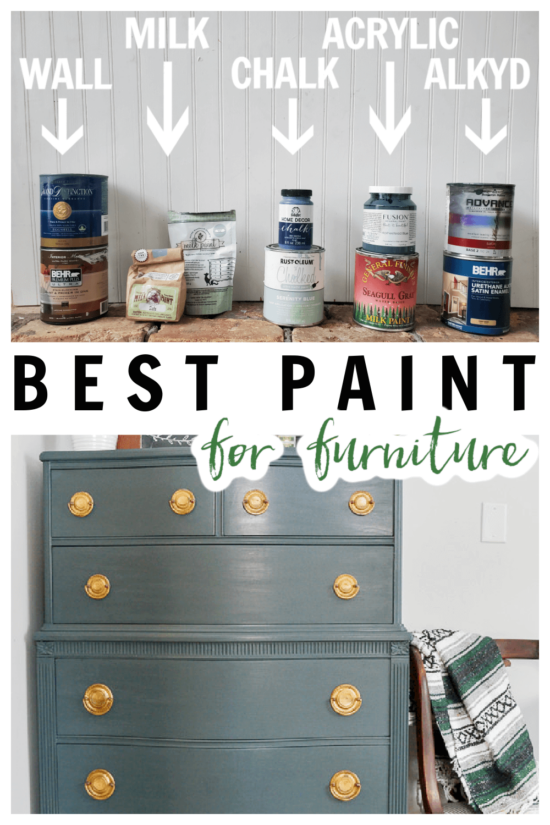
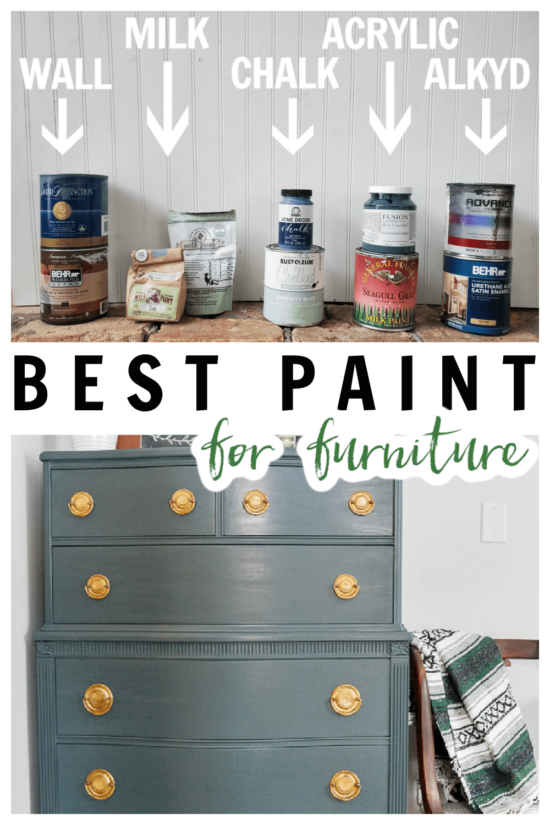
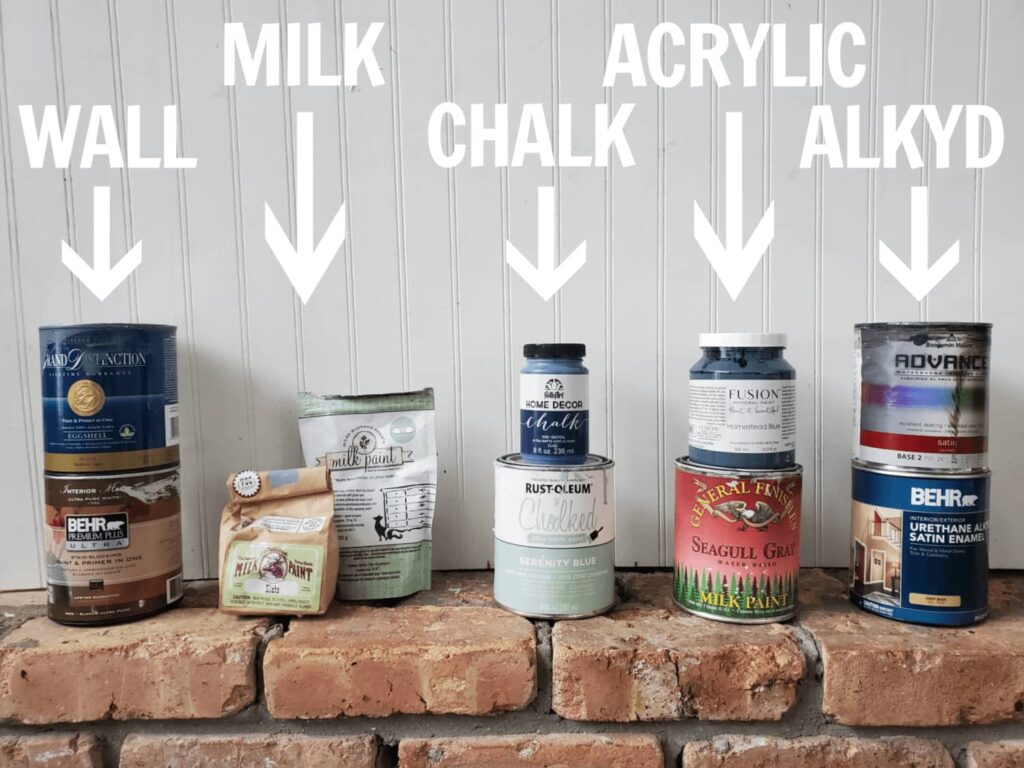
The main types of paint for woodwork are latex, acrylic, oil-based, enamel, chalk, milk, and polyurethane finishes.
Choosing among the types of paint for woodwork is easier when you understand how each one reacts to the surface, room, and daily wear. The right paint can make trim, doors, cabinets, furniture, and outdoor wood look beautiful for years.
I have seen many wood projects fail because the paint was chosen by color alone. This guide explains the strengths, limits, surface needs, and best uses of each paint so you can make a sound choice and avoid costly rework.
:max_bytes(150000):strip_icc()/Best-paint-for-kitchen-cabinets-4686963-29da48e748c944a9870ebd95c33d7873.jpg)
What to Consider Before Choosing Wood Paint
Wood is not a simple surface. It can absorb paint, release resin, swell with moisture, and show marks from daily use. This is why the best paint for one wood project may be a poor choice for another.
Before comparing the types of paint for woodwork, check these key factors:
• Location: Indoor wood needs different protection from outdoor wood.
• Surface type: Bare wood, stained wood, painted wood, and engineered wood need different preparation.
• Wear level: Doors, cabinets, and stair rails need tougher paint than decorative furniture.
• Finish: Matte hides small flaws, while satin and gloss finishes show more detail.
• Drying time: Some paints dry in hours, while others need longer between coats.
• Odor and ventilation: Oil-based products often produce stronger fumes than water-based paints.
• Color change: Some white oil-based paints can turn yellow over time, especially in dark rooms.
• Wood movement: Outdoor wood expands and contracts, so the coating must remain flexible.
A good rule is to match the paint to the job, not just to the wood color. A busy kitchen cabinet needs a durable coating. A small picture frame may only need a simple acrylic finish.
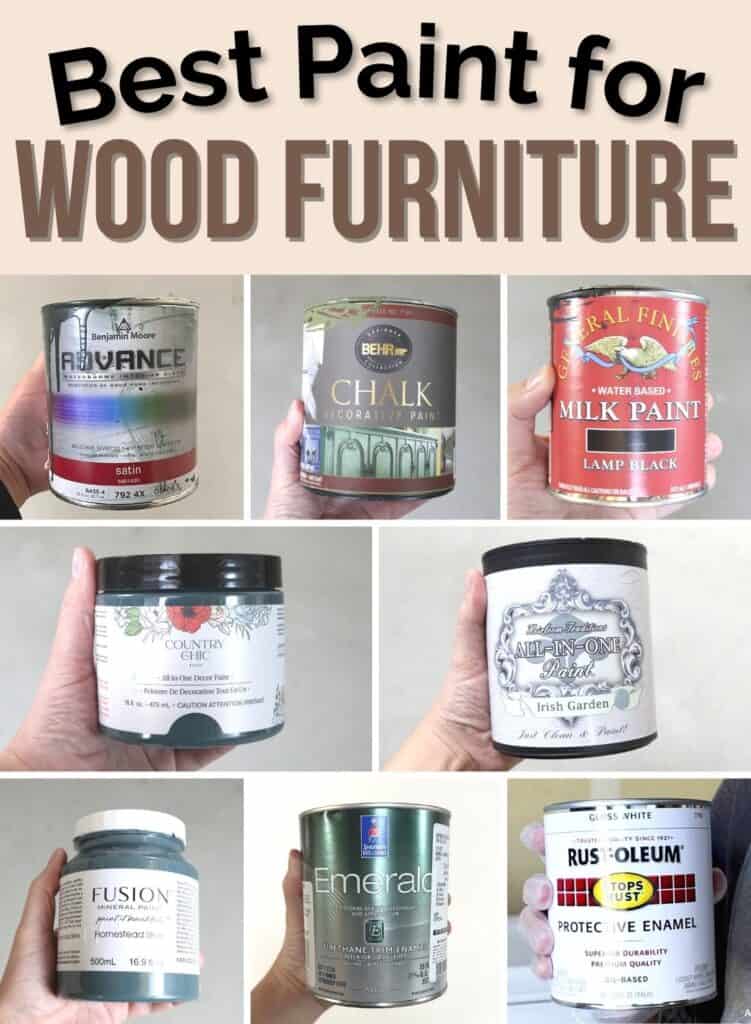
Types of Paint for Woodwork
Each paint type has a different binder, drying process, and level of protection. The binder is the part that holds the color together and helps the paint stick to the surface.
Here are the most common types of paint for woodwork.
Latex Paint
Latex paint is a water-based paint that is common for walls, trim, and light woodwork. Modern latex formulas can offer good adhesion and durability when used with the right primer.
Benefits include:
• Low odor
• Fast drying
• Easy cleanup with soap and water
• Simple application with a brush, roller, or sprayer
• Wide color choice
Latex paint works well on baseboards, window trim, shelving, and decorative wood. It is also a practical choice for large indoor projects.
However, basic wall latex paint may not be hard enough for cabinets or doors. It can remain soft, attract dirt, or show marks when used on high-touch surfaces.
For better results, choose a latex product labeled for trim, doors, cabinets, or furniture. These formulas often dry to a harder film than standard wall paint.
Acrylic Paint
Acrylic paint is another water-based option. It contains acrylic resins that help improve adhesion, color stability, and resistance to moisture.
Acrylic paint is one of the most flexible types of paint for woodwork because it can suit both small crafts and larger indoor projects. It works well on furniture, trim, decorative panels, and primed outdoor wood.
Its main benefits are:
• Strong color retention
• Low odor
• Easy cleanup
• Better moisture resistance than many basic latex paints
Acrylic paint is often a good choice for painted furniture. It also works well when you want a smooth finish without the strong smell of solvent-based products.
The main limitation is that low-cost acrylic paint may not resist heavy impact. For a kitchen cabinet, use a cabinet-grade acrylic or acrylic-urethane product rather than basic craft paint.
Oil-Based Paint
Oil-based paint uses an organic solvent as its carrier. It has long been used for doors, trim, furniture, and other wood surfaces that need a hard, smooth coating.
Among the types of paint for woodwork, oil-based paint is known for its strong leveling ability. Brush marks can soften as the paint flows across the surface. This can create a smooth finish on doors and detailed trim.
Advantages include:
• Hard and durable surface
• Strong resistance to scuffs
• Good flow and leveling
• Excellent coverage on many prepared surfaces
• Useful for high-wear woodwork
Oil-based paint also has drawbacks. It dries slowly, smells stronger, and needs mineral spirits or another approved solvent for cleanup. Good ventilation is essential during use.
Some oil-based paints may yellow as they age, especially without natural light. They can also become brittle over time if the wood moves. Follow the label and local rules for safe use and disposal.
Enamel Paint
Enamel paint is made for a durable, washable finish. It may be water-based, oil-based, or acrylic-urethane based, so the word “enamel” alone does not tell you the full formula.
Wood enamel is often used for:
• Doors
• Cabinets
• Baseboards
• Window trim
• Furniture
• Built-in shelves
Water-based enamel is popular because it dries faster and has less odor than traditional oil-based enamel. Acrylic-urethane enamel often provides a strong film that works well on cabinets and furniture.
Do not assume every enamel paint is equally tough. Read the label for details about hardness, blocking resistance, recoat time, and recommended surfaces. Blocking happens when two painted surfaces stick together, such as a cabinet door touching its frame.
Chalk Paint
Chalk paint has a soft, flat look and is popular for furniture makeovers. It often bonds well to lightly prepared surfaces, although cleaning and light sanding still improve the result.
Chalk paint is useful when you want:
• A vintage appearance
• A distressed finish
• Fast decorative updates
• A low-sheen surface
• Easy color layering
Chalk paint is not usually the best choice for a bare kitchen cabinet or a heavily used tabletop by itself. Its porous finish may need wax or a clear protective topcoat.
Wax can create a warm look, but it may need care and later renewal. A water-based clear coat often gives more practical protection for tables, desks, and cabinets.
Milk Paint
Milk paint is made with milk protein, pigments, and other ingredients. It creates a unique finish that can look aged, layered, or slightly uneven in an attractive way.
Milk paint suits:
• Antique-style furniture
• Farmhouse decor
• Unfinished wood
• Small restoration projects
• Decorative panels
It can chip or wear in a natural-looking way. This appeals to people who want character rather than a factory-smooth finish.
Milk paint may need a bonding agent on sealed or glossy surfaces. Test it on a hidden area first. The final look can vary based on the wood, preparation, and mixing method.
Acrylic-Urethane Paint
Acrylic-urethane paint combines a water-based acrylic system with urethane resins. It is designed to form a harder and more durable film than many basic acrylic paints.
This is one of the best types of paint for woodwork that sees frequent handling. It is often used on:
• Kitchen cabinets
• Bathroom vanities
• Interior doors
• Tables
• Built-in furniture
• Wood trim
It usually offers low odor, good color retention, and strong resistance to scuffs. It may cost more than standard wall paint, but the added durability can save time later.
The surface still needs careful cleaning and preparation. No paint can cover grease, wax, or loose old paint reliably.
Spray Paint
Spray paint is a useful option for small wood items and detailed surfaces. It can cover spindles, slatted furniture, chair frames, and decorative pieces with fewer brush marks.
Spray paint works best when you:
• Clean and sand the wood first
• Use thin coats
• Keep the can moving
• Maintain the distance listed on the label
• Allow proper drying time
Spray paint can produce a smooth result, but overspray is a serious concern. Protect nearby surfaces and wear suitable respiratory and eye protection as directed by the product label.
For large cabinets or built-ins, a paint sprayer can also work well. It requires practice, masking, thinning, and careful cleaning.
Best Types of Paint for Different Wood Projects
The best paint depends on how the wood will be used. Think of paint as a protective coat, not just a color layer.
Wood Cabinets
For cabinets, choose acrylic-urethane, cabinet enamel, or a high-quality water-based enamel. These products resist hand oils, cleaning, and repeated opening and closing.
Avoid using ordinary flat wall paint on cabinets. It may look good at first but can scratch and remain soft.
A satin or semi-gloss finish is often practical. Satin hides small flaws, while semi-gloss is easier to wipe clean.
Interior Doors and Trim
Enamel and acrylic-urethane paints are strong choices for doors and trim. They handle fingerprints, bumps, and regular cleaning better than flat paint.
Semi-gloss is common for trim because it provides a washable surface. Satin can create a softer, more modern look.
Oil-based enamel can still perform well, but water-based products are often easier for indoor use. They dry faster and usually produce less odor.
Wooden Furniture
Furniture allows more creative choices. Acrylic paint, furniture enamel, chalk paint, milk paint, and oil-based paint can all work when matched to the desired look and wear level.
For a side table or dresser, use a durable topcoat if the paint itself is not designed for heavy use. A dining table needs more protection than a decorative nightstand.
Outdoor Woodwork
Outdoor wood needs paint that can handle sun, rain, and temperature changes. Use an exterior acrylic paint or a coating labeled for outdoor wood.
Exterior paint is often more flexible than interior paint. This helps it handle normal wood movement.
Do not use interior paint outside. It may crack, peel, or fade quickly because it lacks the needed weather resistance.
Wood Floors and Stair Parts
Floors and stairs need specialty floor paint or a coating designed for heavy foot traffic. Ordinary wall paint will not withstand constant abrasion.
For stair railings, durable enamel may work well. For stair treads, follow the product instructions closely and allow full curing before use.

Paint Finish: Matte, Satin, Semi-Gloss, or Gloss?
The sheen affects both appearance and performance. It also changes how much surface detail you can see.
• Matte: Has little shine and hides small flaws. It is less washable and is usually better for decorative wood.
• Eggshell: Offers a soft glow and moderate washability. It can suit lightly used furniture.
• Satin: Gives a smooth, low shine and is easy to clean. It is a popular choice for trim and furniture.
• Semi-gloss: Reflects more light and offers good washability. It works well on cabinets, doors, and baseboards.
• Gloss: Creates a bright, hard-looking surface. It shows flaws and needs excellent preparation.
A glossy finish is like a bright lamp on a wall. It highlights every dent, brush mark, and uneven patch. If the wood is not smooth, satin may give a more forgiving result.
How to Prepare Wood Before Painting
Preparation often matters more than the paint brand. A premium product cannot hide dirt, grease, loose coatings, or moisture problems for long.
Use this basic process:
-
Remove hardware and clean the surface.
-
Repair dents, holes, cracks, and damaged edges.
-
Sand glossy areas until they lose their shine.
-
Remove dust with a clean, slightly damp cloth.
-
Apply the correct primer.
-
Lightly sand the primer if the label recommends it.
-
Apply thin, even paint coats.
-
Allow the surface to dry and cure before heavy use.
Cleaning is especially important on kitchen cabinets. Grease can prevent primer and paint from bonding. Use a suitable cleaner, then let the wood dry fully.
For bare wood, sanding helps open the surface and smooth rough fibers. Start with a suitable medium grit and finish with a finer grit. Do not sand so aggressively that you damage veneer.

Choosing the Right Primer for Wood
Primer helps paint stick and can prevent stains from showing through. It also reduces uneven absorption on bare wood.
Use a stain-blocking primer when the wood has:
• Knots
• Water marks
• Smoke stains
• Dark old paint
• Tannin bleed
Tannin bleed is a brown or yellow stain that can move from some woods into light paint. Cedar, redwood, and certain oak surfaces may need a specialized stain-blocking primer.
Use a bonding primer on smooth, glossy, or previously finished wood. A regular primer may not grip a slick surface well.
Primer types include:
• Water-based primer: Easy cleanup and low odor. Good for many indoor projects.
• Oil-based primer: Useful for knots, stains, and difficult wood.
• Shellac-based primer: Strong stain and odor blocking, but it needs careful ventilation and the correct cleanup product.
Always check compatibility between the primer and topcoat. When in doubt, use the paint maker’s recommended system.
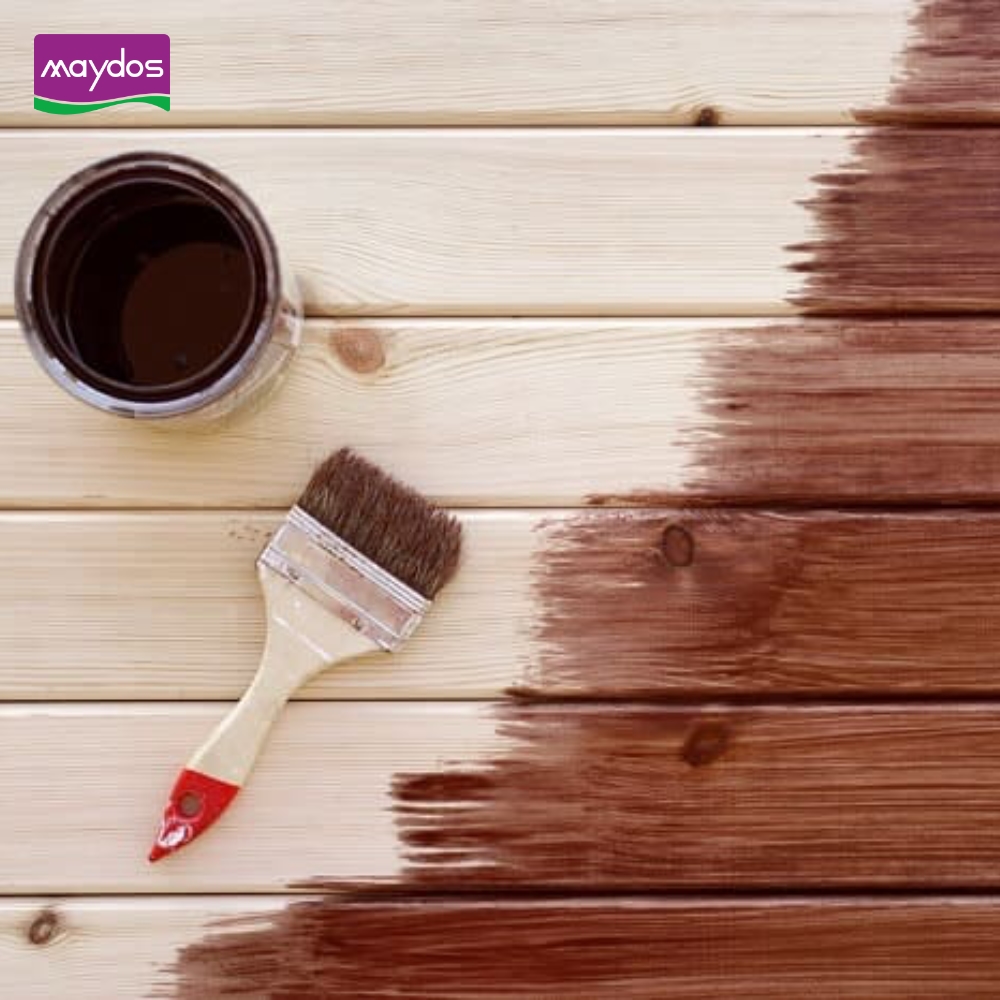
How to Apply Paint to Woodwork
Good application creates a smoother finish and reduces visible defects. Work in a clean area with moderate temperature and low dust.
A simple method is:
-
Stir the paint slowly. Avoid whipping air into it.
-
Load the brush lightly.
-
Apply with the grain when possible.
-
Keep a wet edge so sections blend together.
-
Do not overwork paint as it starts to dry.
-
Let the first coat dry fully.
-
Sand lightly if needed.
-
Apply the second coat.
A quality angled brush works well for trim and edges. A small foam roller can help on flat cabinet doors, but it may leave a texture if pressed too hard.
Spraying can create the smoothest finish, but it demands more setup. Remove dust, control the spray pattern, and apply several light coats instead of one heavy coat.
One lesson I have learned from woodwork projects is that rushing the second coat causes many problems. The surface may feel dry but still be soft below. Recoating too soon can lead to wrinkles, drag marks, or poor bonding.
:max_bytes(150000):strip_icc()/SPR-types-of-wood-finishes-5546952-06-varnish-78b0406ff14d458da0aaedfee3899771.jpg)
Common Mistakes to Avoid
Even the best types of paint for woodwork can fail when the process is wrong.
Painting Dirty Wood
Paint cannot bond well to grease, polish, or dust. Clean the surface before sanding and again after sanding.
Skipping Primer
Primer is especially important on bare wood, dark colors, knots, and glossy old finishes. Skipping it can cause stains, uneven color, and peeling.
Applying Thick Coats
Thick paint may sag, wrinkle, or stay soft. Two or three thin coats are usually safer than one heavy coat.
Using Interior Paint Outside
Interior paint is not made for rain, sunlight, or outdoor temperature changes. Use an exterior-rated product instead.
Ignoring Cure Time
Dry time and cure time are not the same. Paint may feel dry but still need days to reach full hardness.
Painting in Poor Conditions
Extreme heat, cold, humidity, and dust can affect drying and adhesion. Follow the product’s temperature and humidity range.
Mixing Incompatible Products
Some coatings do not bond well over certain old finishes. Test a small area when the existing coating is unknown.
Water-Based Paint vs. Oil-Based Paint for Wood
Water-based and oil-based products both have useful roles. The better choice depends on the surface and your priorities.
| Feature | Water-based paint | Oil-based paint |
|---|---|---|
| Odor | Usually lower | Usually stronger |
| Cleanup | Soap and water | Solvent-based cleaner |
| Drying | Usually faster | Usually slower |
| Color stability | Usually better | May yellow over time |
| Hardness | Good in quality formulas | Often very hard |
| Flexibility | Often better | May become brittle |
| Best use | Indoor trim, furniture, cabinets | High-wear trim and traditional finishes |
Modern water-based enamel has improved greatly. It can offer a durable finish without many of the handling challenges linked to traditional oil paint.
Oil-based paint is still useful for certain surfaces, but it requires better ventilation and more patience. Always follow local regulations and the product safety instructions.
How Long Does Wood Paint Last?
Paint life depends on preparation, product quality, exposure, and use. A well-prepared indoor trim surface may stay attractive for many years.
Cabinets and doors may need touch-ups sooner because hands, cleaners, and impacts wear the finish. Outdoor wood often needs earlier maintenance because sunlight and moisture are harsh.
Signs that wood paint needs attention include:
• Peeling
• Cracking
• Chalking
• Fading
• Sticking doors
• Bare spots
• Water damage
Do not simply paint over these problems. Find the cause first. Moisture, poor adhesion, and movement must be corrected before applying a new coating.
Safety and Environmental Tips
Paint safely, especially in small rooms or during spray work.
• Open windows and use fans to improve airflow.
• Wear gloves and eye protection when the label requires them.
• Use a suitable mask or respirator for the product and task.
• Keep paint away from flames and heat sources.
• Store paint out of reach of children and pets.
• Never pour leftover paint into a drain.
• Follow local rules for paint disposal and solvent disposal.
Low-VOC paint can reduce indoor emissions, but “low-VOC” does not mean completely free of chemicals. Ventilation still matters, especially during application and early curing.
Frequently Asked Questions About Types of Paint for Woodwork
What is the best type of paint for woodwork?
Acrylic-urethane or cabinet-grade enamel is often best for indoor woodwork that receives regular use. For simple trim, quality latex or acrylic paint can work well with proper primer.
Is latex paint good for woodwork?
Yes, latex paint can work well on interior trim, shelves, and decorative wood. Choose a product made for trim or furniture when the surface needs better durability than standard wall paint.
Is oil-based paint better than water-based paint for wood?
Oil-based paint can create a hard, smooth finish, but it dries slowly and has stronger fumes. Modern water-based enamel often provides excellent durability with easier cleanup and lower odor.
Do I need to prime wood before painting?
Primer is strongly recommended for bare, stained, glossy, knotty, or heavily marked wood. It improves adhesion, blocks stains, and helps the topcoat look more even.
What paint finish is best for wood cabinets?
Satin or semi-gloss cabinet enamel is usually a practical choice. These finishes balance a smooth appearance with easy cleaning and good resistance to everyday wear.
Can I use chalk paint on wood furniture?
Yes, chalk paint can create a soft or aged furniture finish. For tables, cabinets, and other high-use pieces, protect it with a suitable clear coat or another product recommended by the paint maker.
How many coats of paint does woodwork need?
Most wood projects need a primer plus two thin coats of paint. Dark colors, strong stains, and rough wood may need extra coverage.
Can I paint over old painted wood?
Yes, if the old coating is sound. Clean it, remove loose paint, dull glossy areas, repair damage, and use a bonding primer when needed.
Conclusion
The best types of paint for woodwork depend on the location, wood condition, level of wear, desired sheen, and time available for the project. Acrylic and water-based enamel suit many indoor jobs, while oil-based paint offers a traditional hard finish. Chalk and milk paint are better for decorative or aged looks, and exterior acrylic paint is made for outdoor exposure.
Start with careful cleaning, sanding, and priming. Then apply thin coats and respect the full cure time. Choose the paint by performance, not just by color or price, and your woodwork will look better and last longer. Explore more wood finishing guides, and share your project results or questions in the comments.