Finish Nailer Double Firing: Causes And Fixes
Finish nailer double firing usually comes from trigger, contact, air, or maintenance issues.
If your finish nailer double firing, you are not alone. I have seen this problem on job sites and in home shops, and it usually comes down to a simple mechanical or setup issue rather than a dead tool. The good news is that finish nailer double firing is often fixable with a few careful checks, and understanding the cause can save you from damaged trim, wasted nails, and a lot of frustration.
What finish nailer double firing means
Finish nailer double firing happens when the tool drives two nails with one pull of the trigger or one press of the nose. Sometimes both nails go into the same spot. Other times the second nail fires almost right after the first one, which can split molding or leave a messy hole.
In plain terms, the nailer is sending more than one shot when it should only send one. That can happen in sequential mode, bump mode, or during normal use if something inside the tool is sticking, bouncing, or worn out. Finish nailer double firing is a warning sign that the tool needs attention before the problem gets worse.
Common causes of finish nailer double firing
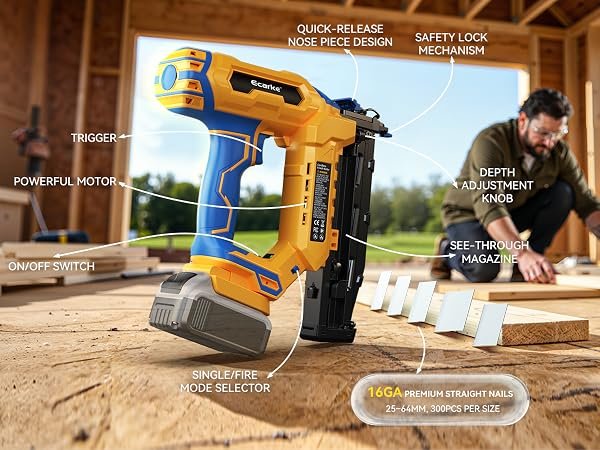
Finish nailer double firing can come from several places at once. In my experience, the root cause is often small, like a dirty trigger valve or an air pressure setting that is just a little too high. A tool can also double fire if the internal parts are worn or if the user is pressing the nose too hard against the work.
Here are the most common causes:
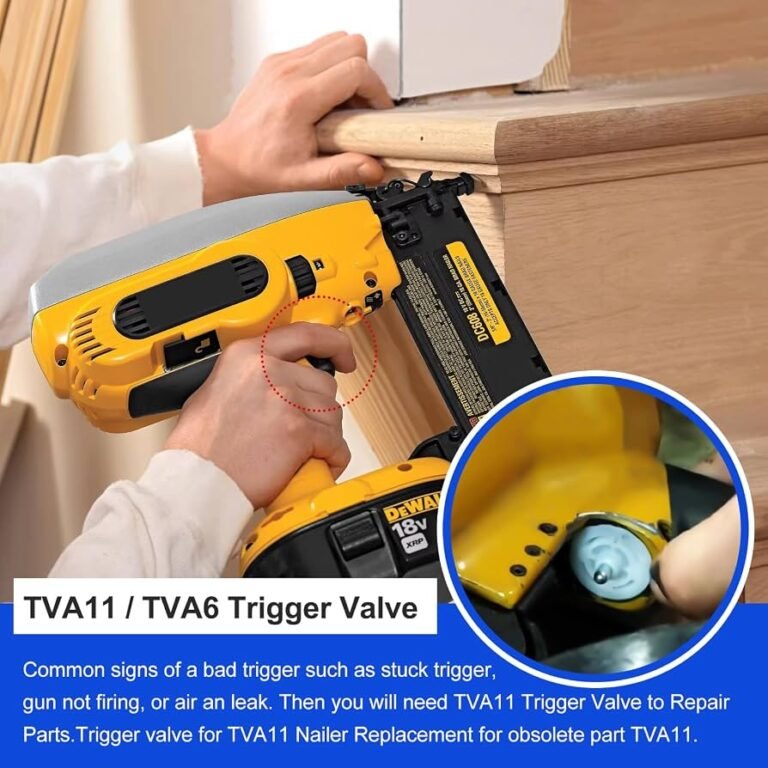
- Worn trigger valve parts: The trigger may not reset cleanly, so the tool can fire again too soon.
- Contact trip problems: If the nosepiece sticks or bounces, the nailer may think it needs to fire twice.
- Too much air pressure: High pressure can make the firing cycle too aggressive.
- Dirty or dry internals: Dust, resin, and lack of lubrication can make parts move unevenly.
- Damaged O-rings or seals: Air leaks can change how the driver returns and resets.
- Bump firing technique: If you are using contact fire mode, tool bounce can cause two nails to drive fast.
- Weak return spring: A slow reset can leave the nailer ready to fire again before you expect it.
- Wrong nail size or magazine wear: Poor feeding can make the tool behave unpredictably.
When finish nailer double firing starts, I always think in this order: user setup, air supply, trigger system, then internal wear. That sequence saves time because most fixes are simple before you tear the tool apart.

Source: amazon.com
How to diagnose finish nailer double firing step by step
The best way to handle finish nailer double firing is to isolate the cause. Do not guess if you can test. A few careful checks can tell you if the issue is in the air system, the trigger, or the tool body.
Follow these steps:
- Check the firing mode
Make sure you know whether the nailer is set to sequential fire or contact fire. Many people think the tool is faulty when it is really just in bump mode. - Lower the air pressure
If your compressor is running high, reduce pressure to the range listed in the tool manual. A lot of finish nailers work best around 70 to 90 PSI, but always follow the tool’s rating. - Test on scrap wood
Fire a few nails into scrap while using light, steady pressure. If finish nailer double firing stops, the problem may be technique or bounce. - Inspect the trigger and nosepiece
Look for sticking, dirt, cracks, or weak spring return. If the trigger feels mushy or slow, that is a clue. - Check the air hose and fittings
Leaks, weak flow, or bad couplers can affect cycling and timing. - Clean and lubricate the tool
Use the manufacturer’s recommended cleaner and oil if the model requires it. Some modern models are oil-free, so always check first. - Look for worn seals or internal damage
If the problem keeps happening, the piston, O-rings, or driver blade may need service.
A lot of finish nailer double firing cases can be traced in five minutes with this approach. It is much easier to solve the problem when you treat it like a short checklist instead of a mystery.
Source: paslode.com
How air pressure affects finish nailer double firing
Air pressure matters more than many people think. Too much pressure can make the driver blade hit too hard and return too fast, which can cause the nailer to cycle again before the trigger resets. That is one of the reasons finish nailer double firing often shows up right after someone “turns it up a little” for harder trim.
If the pressure is too low, the tool may not complete a full cycle. That can also create odd behavior, though it usually shows up as weak drives rather than double shots. The sweet spot is the pressure range recommended by the manufacturer, with a little tuning based on wood density and nail length.
A few practical tips:
- Start at the low end of the recommended PSI range
- Increase pressure only until nails sit flush
- Do not use extra pressure to solve a feeding or maintenance problem
- If one compressor feeds multiple tools, verify the gauge at the nailer, not just at the tank
In the field, I have seen trim jobs go sideways because the user kept bumping pressure higher instead of checking the tool. That is like pressing the gas pedal harder when the steering wheel is loose. It hides the real issue.
Source: amazon.com
Trigger, contact trip, and bump fire issues
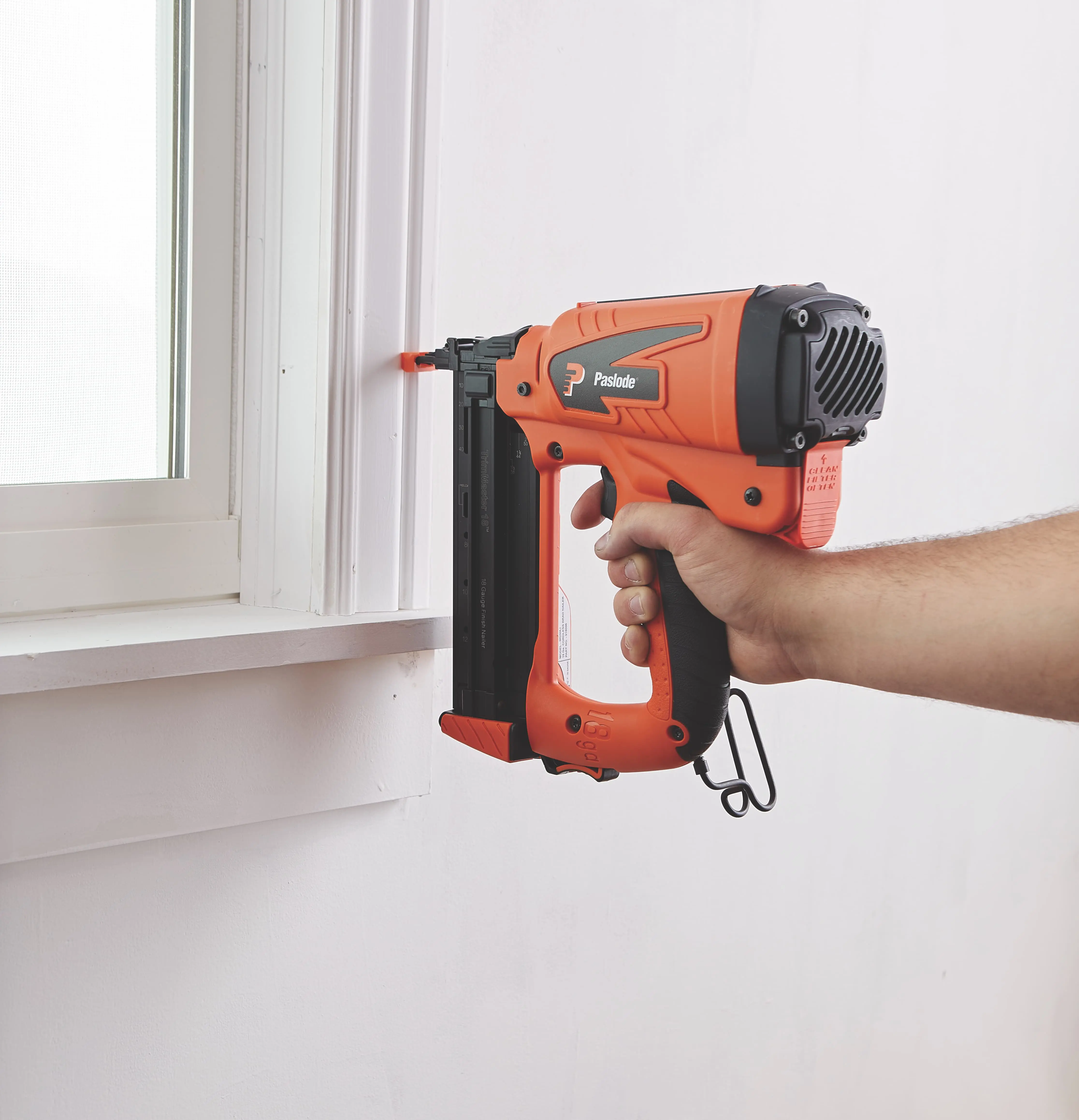
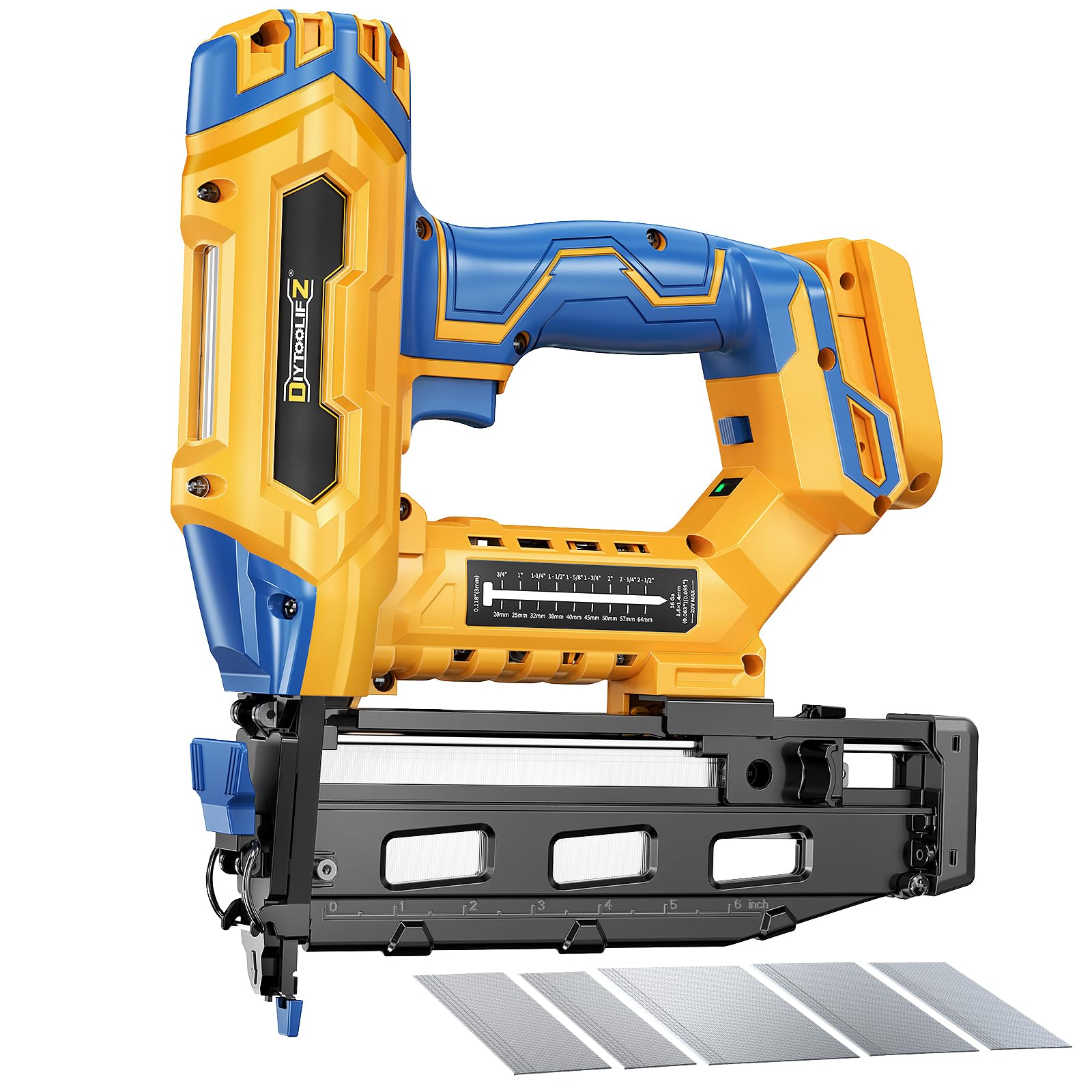
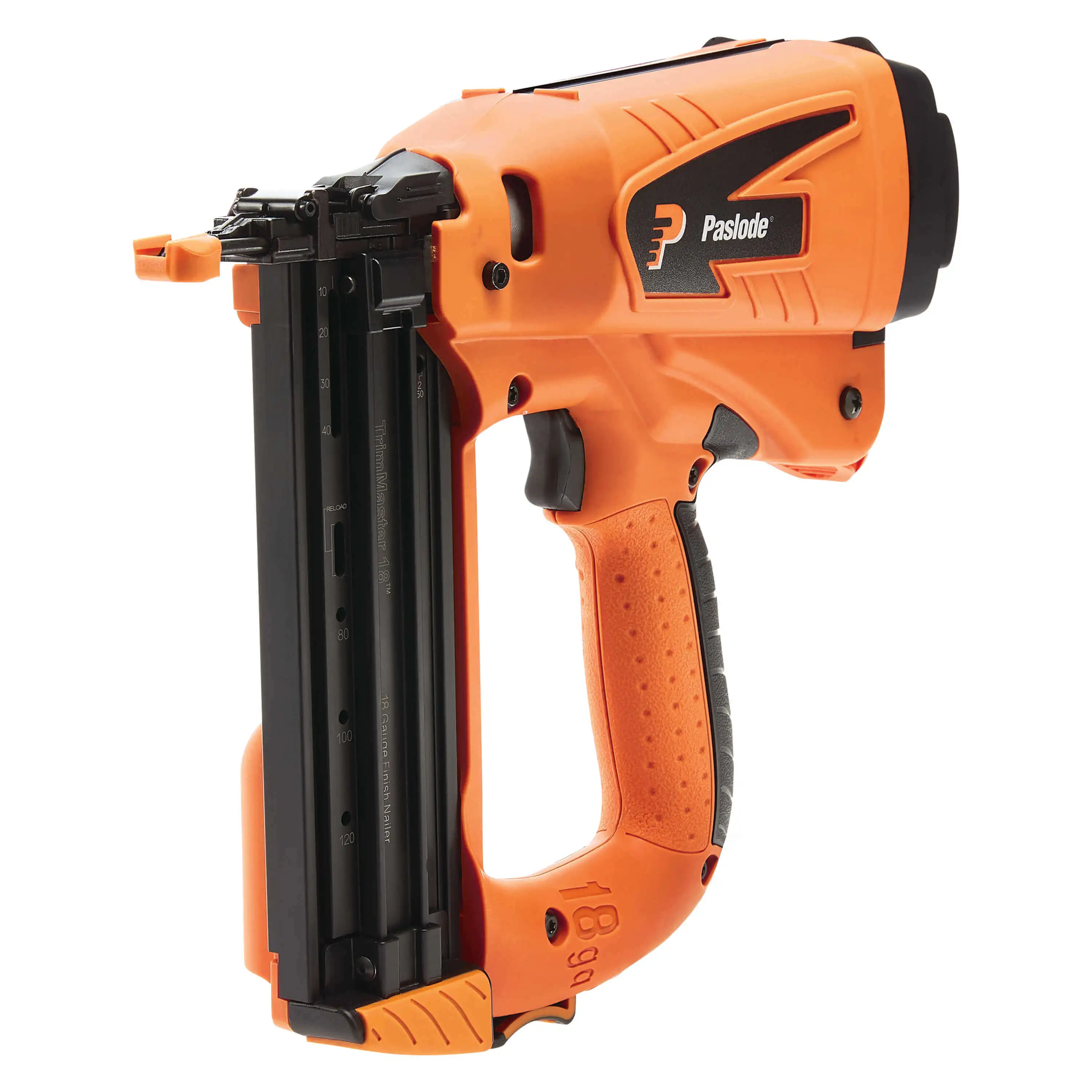
The trigger system is one of the biggest reasons for finish nailer double firing. A sequential trigger should fire only when the nose is pressed and then the trigger is pulled. A contact trigger can fire faster, but it also makes accidental double firing more likely if the nose bounces.
If your tool is set to bump fire, here is what often happens:
- The nose hits the wood
- The first nail fires
- The tool bounces slightly
- The nose touches again
- The second nail fires
That bounce can happen so fast it looks like one shot, but the trim tells the truth. This is why many finish carpenters prefer sequential fire for precision work.
Watch for these trigger-related signs:
- The trigger feels sticky or slow
- The tool fires when only the nose is pressed
- The tool fires twice with minimal movement
- The safety contact does not spring back cleanly
If you suspect the trigger assembly, stop using the tool until it is checked. Finish nailer double firing is not just annoying. It can damage your workpiece and make the tool less safe to use.
Source: paslode.com
Maintenance steps that usually fix the problem
Good maintenance prevents a lot of finish nailer double firing. I learned this the hard way after chasing a “bad tool” that just needed cleaning. Dust, glue, and tiny bits of wood can build up inside the nose and trigger path over time.
Here is a simple maintenance routine:
- Disconnect the air supply before any inspection
- Clean the nose and magazine with compressed air or a soft brush
- Check for resin buildup around the contact tip
- Add lubrication only if the manufacturer says to
- Inspect O-rings, seals, and springs for wear
- Tighten loose fasteners on the housing and magazine
- Replace worn nails with the correct gauge and collation angle
A well-kept nailer should fire cleanly and reset smoothly. If finish nailer double firing still happens after cleaning, that usually means a part is worn enough to need replacement. At that point, repair is better than trying to force the tool through another job.

Source: amazon.com
When to repair or replace the nailer
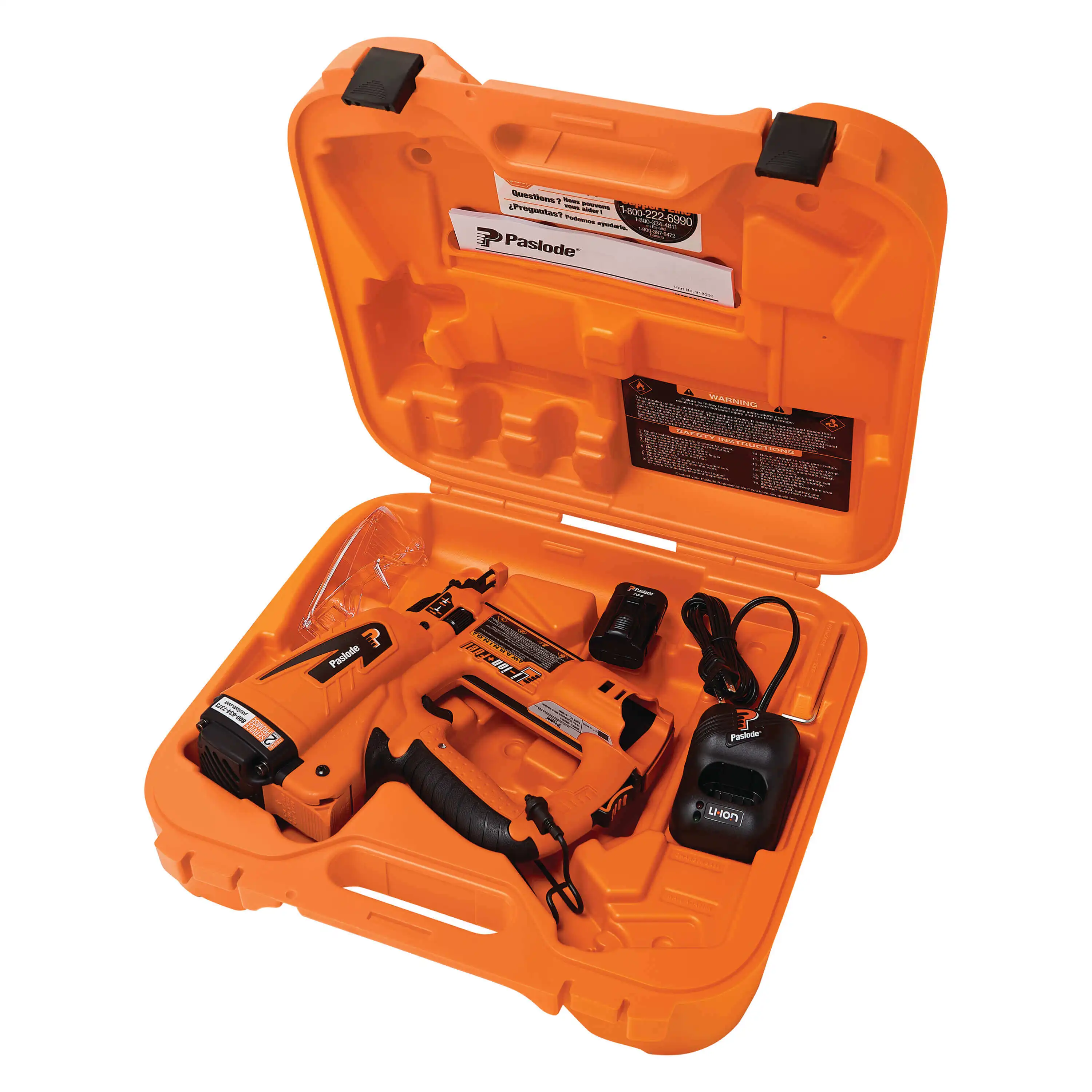
Not every finish nailer double firing problem is worth fixing at home. If the tool is older, has air leaks, or has already had repeated trigger trouble, repair costs can climb fast. Sometimes a replacement is the smarter move, especially if you depend on the tool daily.
Consider repair or replacement if you notice:
- Repeated double firing after cleaning and pressure adjustment
- Air leaking from the trigger or exhaust
- Cracked housing or damaged nosepiece
- Weak driving power even with proper PSI
- Worn internal seals or driver parts
- A trigger that will not reset properly
For professional use, reliability matters more than squeezing one more month out of a tired tool. I have seen people spend more on repeated repairs than a new nailer would have cost. That is one of those lessons that hurts once, then saves you money forever.
Source: paslode.com
Safety concerns you should not ignore
Finish nailer double firing is not just a quality issue. It can also be a safety issue. A double shot can make the nailer jump, split material, or send a fastener where you did not expect it.
Keep these safety basics in mind:
- Disconnect air before cleaning or servicing
- Wear eye protection every time you test the tool
- Keep hands away from the firing line
- Never point the nailer at yourself or others
- Do not bypass safety features
- Stop using the tool if it fires unpredictably
A nailer should feel controlled, almost boring, when it works right. If it starts acting wild, that is your cue to stop and inspect it. Safety always comes before speed.

Source: amazon.com
Real-world tips from the shop
Over the years, I have noticed that finish nailer double firing often shows up when the tool is rushed, dirty, or overpowered. The quickest win is usually to lower the PSI a little and test on scrap. That small change alone has solved the issue more than once for me.
A few shop-tested habits help a lot:
- Keep one compressor setting for each nailer type
- Label tools that prefer sequential fire
- Clean the nose after trim jobs with MDF or glued stock
- Test a nailer before starting finish work on visible surfaces
- Replace worn hoses and couplers before they cause airflow problems
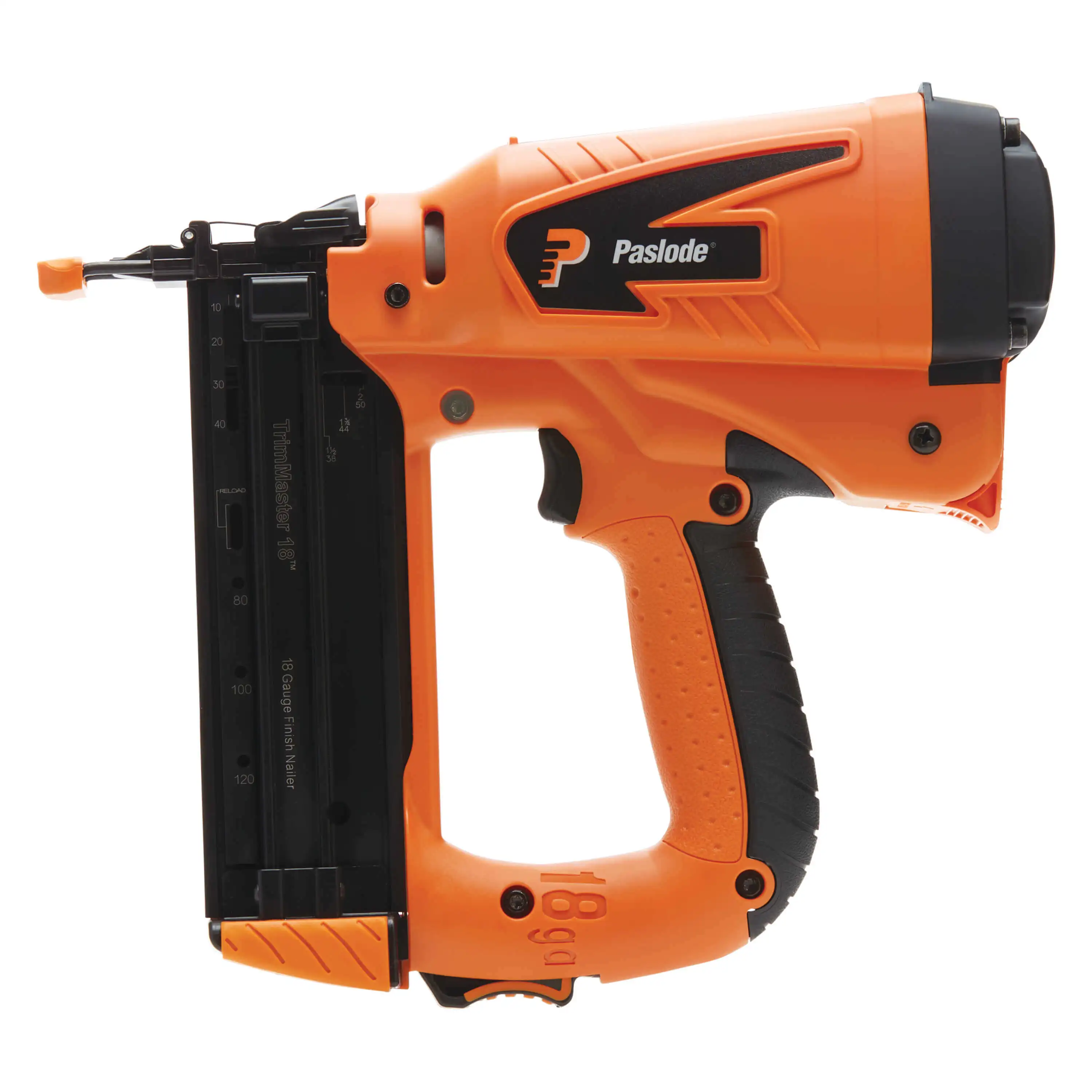
Think of a finish nailer like a kitchen knife. If it is sharp, clean, and used the right way, it feels effortless. If it is dull or abused, everything gets messy fast. Finish nailer double firing is often the tool’s way of saying something needs attention.
Source: paslode.com
Frequently Asked Questions of Finish nailer double firing
Why does my finish nailer double fire when I press it gently?
This usually points to a trigger or contact trip issue, or to tool bounce in bump-fire mode. It can also happen if the internal return parts are sticky or worn. Start by checking the firing mode and reducing air pressure.
Can low air pressure cause finish nailer double firing?
Low pressure usually causes weak or incomplete drives, not true double firing. That said, unstable airflow or a bad compressor setup can make the tool cycle poorly. Check the full air supply system if the problem keeps coming back.
Is finish nailer double firing dangerous?
Yes, it can be. A double firing nailer may split trim, damage finished surfaces, or fire a nail when you do not expect it. If the tool fires unpredictably, stop using it until the issue is fixed.
Should I oil my finish nailer if it double fires?
Only if the manufacturer says the tool needs oil. Some finish nailers are oil-free, and adding oil to those models can cause problems. Always follow the manual so you do not create a new issue while trying to fix the old one.
When should I replace the trigger assembly?
Replace the trigger assembly if cleaning does not help and the trigger still sticks, leaks, or fails to reset. If finish nailer double firing keeps happening after basic maintenance, worn trigger parts are a common cause. A repair shop can confirm whether replacement is worth it.
Can bad nails cause finish nailer double firing?
Bad nails more often cause jams or misfeeds than true double firing. Still, wrong size, poor collation, or bent strips can make the tool behave badly. Always use the exact nail type listed for your nailer.
Conclusion
Finish nailer double firing usually comes down to a manageable cause like pressure, trigger wear, contact bounce, or lack of maintenance. The key is to diagnose it step by step instead of guessing, because that saves time and protects your trim work. With the right settings, a clean tool, and a quick inspection routine, most finish nailer double firing problems can be solved before they ruin a project.
If your nailer has been acting up, start with the basics today: check the PSI, clean the nose, test the firing mode, and inspect the trigger. If the problem continues, do not keep forcing it. Take the next smart step, and if this guide helped, explore more tool care tips or leave a comment with your own fix.