Air Compressor Pressure Switch Problems: Causes And Fixes
Air compressor pressure switch problems often cause poor starting, short cycling, leaks, or unsafe pressure control.
Air compressor pressure switch problems can stop a reliable machine in its tracks. The switch controls when the motor starts and stops, so even a small fault can affect pressure, power use, and safety. This guide explains the main causes, warning signs, testing steps, repair choices, and ways to prevent repeat failures.
What an Air Compressor Pressure Switch Does
A pressure switch is an automatic control that turns the compressor motor on and off. It senses tank pressure through a small port or tube. When pressure falls to the cut-in setting, the switch closes its electrical contacts and starts the motor.
When pressure reaches the cut-out setting, the contacts open. The motor then stops. For example, a switch may start a compressor at 90 pounds per square inch (PSI) and stop it at 120 PSI.
Most pressure switches also work with an unloader valve. This valve releases air trapped in the pump discharge line when the motor stops. That release helps the motor start without fighting back pressure.
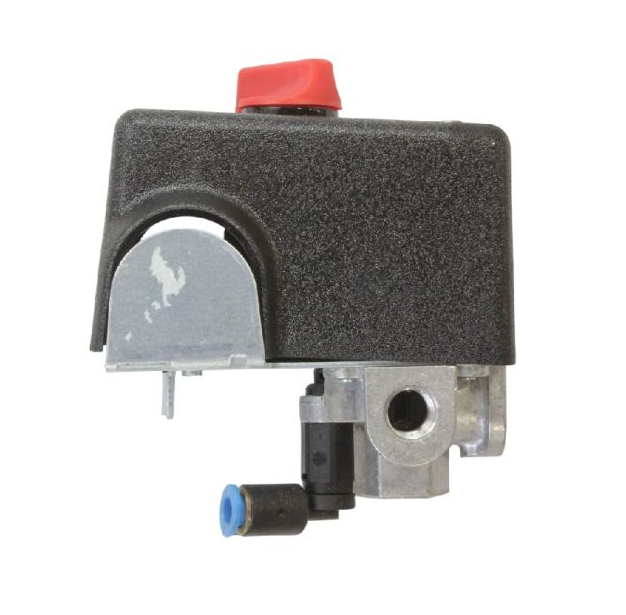
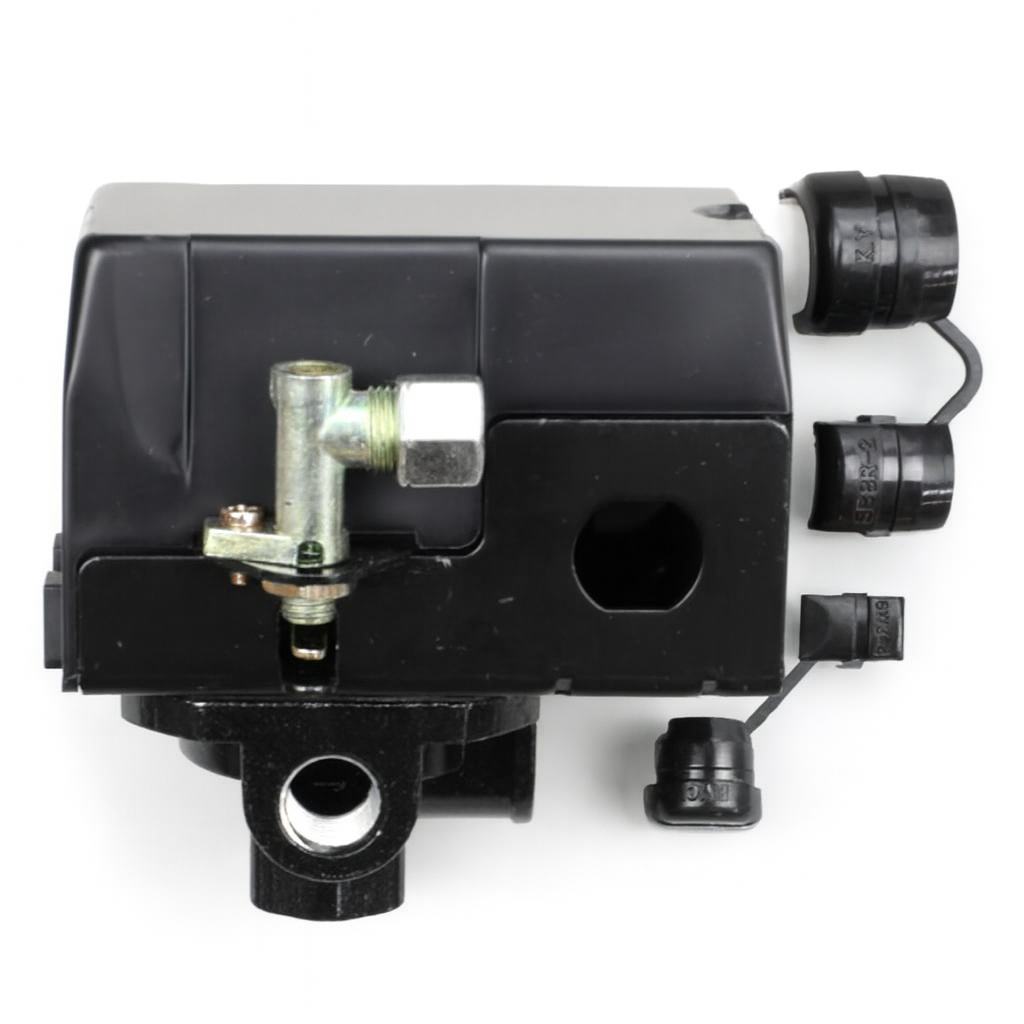
Common pressure switch parts include:
• Diaphragm or piston that senses tank pressure
• Electrical contacts that control the motor
• Adjustment springs for cut-in and cut-out pressure
• Unloader valve and connecting tube
• Pressure port, gasket, and mounting threads
• On/off lever or control knob
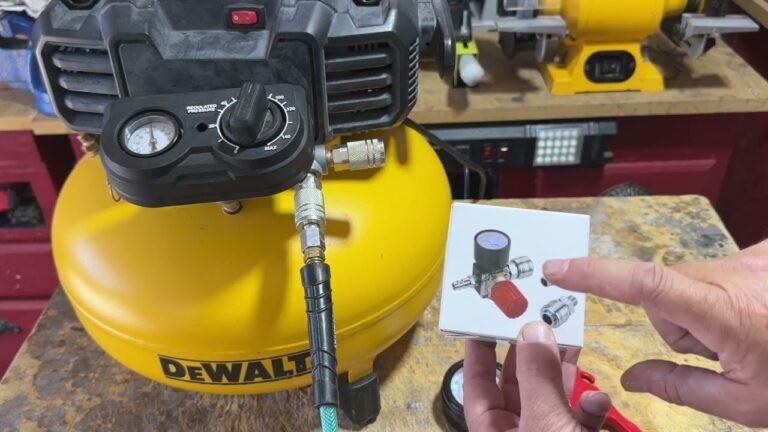
An air compressor pressure switch is not a pressure regulator. The pressure switch controls the tank filling cycle. A regulator controls the air pressure delivered to a tool.

Common Air Compressor Pressure Switch Problems
Air compressor pressure switch problems often look similar to other compressor faults. A weak motor, clogged intake filter, faulty check valve, or air leak can create the same symptoms. Good troubleshooting starts with the symptom, not with a guess.
The compressor will not start
The motor may stay silent when tank pressure drops below the cut-in point. Possible causes include:
• Burned or stuck electrical contacts
• Loose wiring or a blown fuse
• A faulty pressure switch diaphragm
• A damaged on/off lever
• Low voltage at the motor
• A tripped overload protector
• A failed unloader that leaves pressure on the pump
Do not assume the pressure switch is bad until you check the power supply. A switch cannot start a motor if it has no proper voltage.
The compressor will not stop
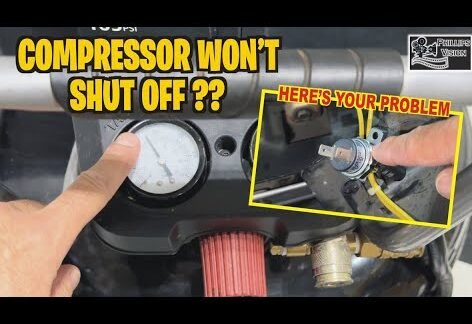
This is one of the most serious air compressor pressure switch problems. The switch may have welded contacts, a blocked pressure port, a damaged diaphragm, or an incorrect cut-out setting.
Turn the compressor off at once if pressure keeps rising. Do not allow the tank pressure to exceed the rated maximum shown on the tank label. The safety relief valve is a backup device, not a normal control.
The motor starts and stops too often
Short cycling happens when the compressor reaches cut-out pressure too quickly or loses pressure too fast. Common causes include:
• A large air leak
• A failed tank check valve
• A very small receiver tank
• A pressure switch with a narrow differential
• A tool that uses more air than the compressor can supply
• An unloader that does not release line pressure
Short cycling creates heat and electrical wear. It can also reduce motor life, especially on small units with limited cooling.
The switch leaks air
Air may escape from the pressure switch body, the unloader tube, the pressure port, or the safety valve. A loose fitting may need tightening, but damaged threads or cracked plastic usually require replacement.
Never seal a leaking safety relief valve with tape or a plug. Replace it with a correctly rated part.
The pressure switch trips the breaker
A pressure switch may contribute to breaker trips if its contacts are damaged or if it creates a poor electrical connection. However, the motor may be the real cause.
A locked pump, low voltage, bad capacitor, or worn motor bearing can draw excessive current. Repeatedly resetting the breaker can damage the motor and create a fire risk.

Why Air Compressor Pressure Switch Problems Happen
Understanding the cause helps you choose the right fix. Replacing the switch without correcting the cause may lead to another failure within days or weeks.
Dirt and moisture
Dust, oil mist, and water can enter the pressure port. A blocked port prevents the switch from sensing tank pressure correctly. Moisture can also corrode the contacts and springs.
Drain the tank on a regular schedule. A compressor used in a humid garage may need more frequent draining than one used in a dry shop.
Electrical arcing
Every time the contacts open or close, a small electrical arc can occur. High motor current makes that arc stronger. Over time, the contact surfaces may pit, burn, or weld together.
A pressure switch that is too small for the motor can fail early. Always match the replacement switch to the motor voltage, phase, horsepower, and full-load current.
Excessive vibration
Vibration can loosen wire terminals, fittings, and mounting screws. It may also crack the small tube that connects the pump discharge line to the switch.
Mounting the compressor on a firm surface can help. Rubber feet should reduce vibration without allowing the unit to rock.
Incorrect adjustment
Some switches have adjustable cut-in and cut-out settings. Turning the large spring nut changes the pressure range. Turning the smaller spring nut often changes the differential.
The exact operation differs by model. Do not adjust a switch unless you have its instructions and a reliable pressure gauge.
Worn mechanical parts
The diaphragm may harden with age. The pressure port may corrode. The lever may become stiff. These parts can make the switch slow, inconsistent, or completely unresponsive.
Age matters, but operating conditions matter too. Heat, dust, moisture, and frequent cycling all speed up wear.

How to Diagnose an Air Compressor Pressure Switch Safely
Electrical and stored-pressure hazards make this repair different from many household tasks. A compressor tank can hold a large amount of stored energy, and motor circuits may carry dangerous voltage.
Before inspection:
• Turn the compressor off.
• Unplug it, or lock out the disconnect.
• Close the air outlet valve.
• Drain tank pressure if the procedure requires removing a fitting or switch.
• Wait for hot parts to cool.
• Use a properly rated multimeter only if you are trained to test live electrical circuits.
• Follow the manufacturer’s service instructions.
Use the following basic process.
1. Check the pressure gauge
Compare the tank gauge with a known accurate gauge. A faulty gauge can make a good switch appear bad.
Look for pressure movement while the compressor is idle. If the tank loses pressure without tool use, find the leak before replacing the switch.
2. Watch the cut-in and cut-out cycle
Write down the pressure at which the motor starts and stops. Compare those values with the switch label or compressor manual.
A small difference from the stated value may be an adjustment issue. A large or random difference suggests a blocked port, damaged diaphragm, or failing contacts.
3. Listen for the unloader
When the motor stops, you may hear a brief hiss from the unloader valve. That sound is normal. A constant hiss is not.
If the motor struggles to restart and the unloader does not release pressure, inspect the unloader tube, valve, and check valve.
4. Inspect the wiring
With power disconnected, check for:
• Loose terminal screws
• Burned insulation
• Dark or melted contact areas
• Corrosion
• Wires rubbing against sharp metal
Do not place a larger fuse or breaker in the circuit. The protective device must match the compressor’s electrical requirements.
5. Check the pressure port
A blocked port can isolate the switch from the tank. Remove and clean it only as the manufacturer allows. Do not force a wire or drill into a diaphragm-type switch.
A damaged port may require a new switch or adapter.

Testing the Pressure Switch
A visual check can reveal many air compressor pressure switch problems, but testing confirms the fault.
Testing with a pressure gauge
The simplest test is to observe the switch during a complete cycle.
-
Start with the tank below the cut-in pressure.
-
Confirm that the motor starts.
-
Watch for the cut-out pressure.
-
Confirm that the motor stops.
-
Use a small amount of air and observe the restart point.
-
Record any delay, noise, or pressure overshoot.
The switch should operate in a repeatable way. It should not chatter, hesitate, or allow pressure to rise beyond the rated setting.
Testing electrical continuity
A qualified person can disconnect power and test switch continuity with a multimeter. The contacts should close at cut-in pressure and open at cut-out pressure.
Do not rely on continuity testing alone. A contact may show continuity with no load but fail when motor current passes through it. Burned contacts can also create high resistance and heat.
Testing the unloader circuit
The unloader tube should be clear and firmly connected. The unloader valve should release head pressure when the motor stops.
If the compressor starts hard but runs normally after it gets moving, the unloader or check valve deserves close attention. This symptom does not always mean the pressure switch itself has failed.

Repair or Replace the Pressure Switch?
Some switches allow contact or unloader replacement. Others are sealed or inexpensive enough that full replacement makes more sense.
Replace the switch when:
• Contacts are welded or badly burned
• The diaphragm leaks
• The pressure port is damaged
• The housing is cracked
• The switch has repeated cut-out failures
• The correct replacement is readily available
A replacement must match the compressor. Check these details:
• Voltage and phase
• Motor current rating
• Cut-in and cut-out range
• Differential setting
• Port size and thread type
• Unloader connection
• Manual or automatic reset design
• Maximum pressure rating
Do not install a switch with a higher pressure range simply because it fits the threads. The tank, pump, fittings, and relief valve must all support the operating pressure.
In many cases, replacing the complete pressure switch is safer than filing contacts or rebuilding a worn diaphragm. A temporary repair may hide a dangerous control failure.
How to Adjust an Air Compressor Pressure Switch
Adjustment can solve some air compressor pressure switch problems, but it can also create new ones. The pressure switch, tank, relief valve, and compressor must work as one system.
Read the switch instructions first. Some switches allow adjustment, while others are factory set.
General points include:
• The larger spring often changes both cut-in and cut-out pressure.
• The smaller spring often changes the pressure difference.
• Turning a spring nut does not always produce the same result on every model.
• Make small adjustments only.
• Check both cut-in and cut-out after each change.
• Never set cut-out pressure above the tank’s rated maximum.
If the compressor uses a pressure switch with a factory seal, replacement may be the correct option. Do not remove a seal when the manufacturer warns against adjustment.
A pressure gauge may be off by several PSI. Use a trusted test gauge when accuracy matters.

Preventing Pressure Switch Failure
Prevention is usually cheaper than repair. A few simple habits can reduce air compressor pressure switch problems and extend the life of the entire system.
Drain moisture
Drain the tank after use, especially in warm or humid conditions. Water promotes rust and can enter the pressure switch through the sensing port.
Never ignore heavy rust or bulging on a tank. A damaged air receiver should be inspected by a qualified professional and may need replacement.
Find air leaks early
Apply soapy water to fittings while the tank is pressurized. Bubbles show a leak. Keep hands away from suspected high-pressure leaks.
Repair leaks at hoses, couplers, drain valves, check valves, and fittings. A leak makes the compressor cycle more often and places extra load on the switch.
Keep the intake filter clean
A dirty intake filter reduces pump performance. The compressor may run longer, heat up, and cycle more often.
Follow the service interval in the manual. Replace a damaged filter rather than washing a filter that is not designed to be cleaned.
Inspect connections
Check the pressure switch wires, tube, fittings, and mounting screws during routine maintenance. Look for vibration damage, heat marks, and corrosion.
Never work inside the switch with power connected. A small box can still contain a dangerous motor circuit.
Use the correct duty cycle
Portable compressors are not always designed for continuous operation. Running beyond the rated duty cycle creates excess heat and can shorten switch and motor life.
Let the unit cool when the manual requires it. Choose a compressor with enough airflow for the tool instead of forcing a small unit to run constantly.
Mistakes to Avoid
The most common repair mistake is replacing the pressure switch before checking the full system. The real problem may be a leaking check valve, weak motor capacitor, or undersized power circuit.
Avoid these errors:
• Bypassing the pressure switch to keep the compressor running
• Adjusting cut-out pressure without checking the tank rating
• Using automotive electrical parts that are not rated for the motor load
• Ignoring a leaking safety relief valve
• Continuing to run a compressor that will not stop
• Testing resistance on a live circuit
• Mixing pipe thread types or forcing fittings
• Covering ventilation openings
I have found that a short symptom log saves time. Note the tank pressure, motor sound, cycle time, and any hiss at shutdown. These details often reveal more than a quick visual inspection.
For complex faults, contact a licensed electrician or qualified compressor technician. This is especially important for hardwired units, three-phase motors, large tanks, and commercial systems.

When Professional Service Is Needed
Some air compressor pressure switch problems are simple. Others involve risks that are not worth guessing about.
Seek professional help when:
• The motor repeatedly trips a breaker
• The tank continues past its rated pressure
• The relief valve opens during normal operation
• The wiring is burned or damaged
• The compressor is hardwired
• The tank shows serious corrosion
• The switch fails again after replacement
• The motor runs hot or smells burned
• You are unsure how to isolate electrical or air pressure energy
Industry safety guidance treats compressed air as a serious stored-energy hazard. Manufacturer manuals, applicable electrical codes, and workplace rules should guide inspection and repair. Standards and requirements can vary by location, equipment size, and use.
Frequently Asked Questions About Air Compressor Pressure Switch Problems
Why does my air compressor keep running and not shut off?
The pressure switch may have welded contacts, a blocked sensing port, or a failed diaphragm. Turn the compressor off and check the pressure gauge, relief valve, and switch before using it again.
Why does my air compressor start and stop rapidly?
Rapid cycling can result from an air leak, a failed check valve, a small tank, or an incorrect pressure differential. Find leaks first, then check whether the switch starts and stops at the correct pressures.
Can I adjust an air compressor pressure switch?
Some switches can be adjusted, but not all. Follow the exact manufacturer instructions and never set the cut-out pressure above the tank’s rated limit.
What causes a pressure switch to leak air?
Leaks may come from the unloader valve, pressure tube, mounting threads, gasket, or a cracked switch housing. Replace damaged parts, and never block or plug the safety relief valve.
How do I know if the pressure switch is bad?
A bad switch may fail to start the motor, fail to stop it, operate at random pressures, or show burned contacts. Confirm the symptom with pressure readings and safe electrical tests before replacing the switch.
Can a bad pressure switch damage the compressor motor?
Yes. Welded contacts can make the motor run too long, while failed contacts can cause repeated starting attempts or electrical arcing. These conditions increase heat and may damage the motor, wiring, or pump.
Conclusion
Air compressor pressure switch problems can involve the switch, unloader, check valve, wiring, motor, or air system. Start with the pressure gauge and basic symptoms, then inspect leaks, connections, cycling behavior, and the unloader.
Always disconnect power before service and respect the pressure stored in the tank. Replace parts with correctly rated components, and stop using the compressor if it will not shut off or shows signs of electrical or tank damage.
Use this guide as a starting point, follow your compressor manual, and ask a qualified technician when the fault involves high voltage or a damaged tank. Share your compressor model and symptoms in the comments to help others narrow down the problem.