Chainsaw Chain Keeps Coming Off: Causes And Fixes
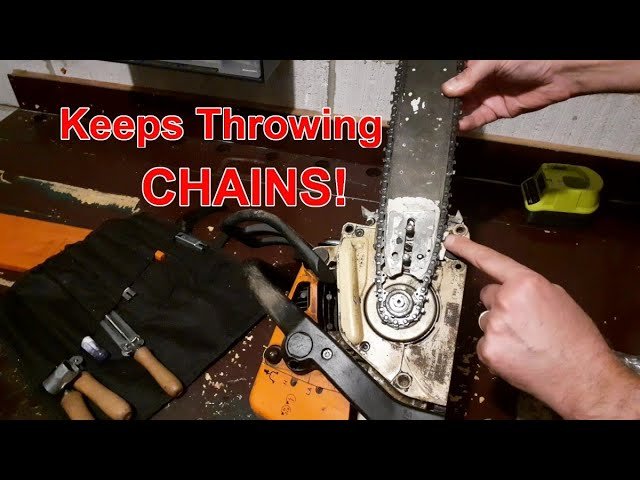
A chainsaw chain keeps coming off when tension, bar parts, or chain fit is wrong.
A loose chain is more than a small repair problem. It can damage the guide bar, clutch cover, sprocket, and even injure the operator. I have seen many chainsaws throw a chain because the tension looked correct at first glance but changed after a few cuts. This guide explains why a chainsaw chain keeps coming off, how to find the real cause, and how to fix it safely.
Why does a chainsaw chain keep coming off?
A chainsaw chain stays in place because the drive links sit inside the guide bar groove. The clutch sprocket pulls the chain around the bar, while the bar nuts and side cover hold the bar firmly against the saw body.
When one part becomes loose, worn, bent, or mismatched, the chain can derail. The most common causes include:
• The chain is too loose.
• The guide bar is not seated correctly.
• The bar nuts are loose.
• The guide bar groove is worn or packed with sawdust.
• The drive sprocket is worn.
• The chain and bar do not match the saw.
• The chain is damaged or stretched.
• The saw is not getting enough chain oil.
A chain may also come off when the operator forces the bar into wood, cuts with the bar tip, or lets the chain pinch in the cut. These actions can create a sudden load that pulls the chain from the bar groove.
The most common cause: incorrect chain tension
Incorrect chain tension is the first thing to check when a chainsaw chain keeps coming off. A loose chain can sag below the guide bar, slap against the bar, and jump out of the groove during use.
A chain that is too tight can also cause trouble. It may overheat, wear the bar rails, damage the clutch bearing, or fail to move smoothly. Proper tension must allow free movement without letting the chain hang loose.
Use this basic check:
-
Turn off the chainsaw completely.
-
Disconnect the spark plug wire on a gas saw, or remove the battery on a cordless saw.
-
Wear work gloves to protect your hands from sharp cutters.
-
Pull the chain away from the top center of the guide bar.
-
The drive links should lift slightly but should not come fully out of the bar groove.
-
Release the chain. It should snap back into place.
-
Pull the chain around the bar by hand. It should move without binding.
Always follow the tension range in the owner’s manual. The correct setting can vary by model, bar length, chain pitch, and temperature.
A new chain often stretches during its first few minutes of use. Stop the saw, let it cool, and check the tension again. Many cases where a chainsaw chain keeps coming off happen just after a new chain is installed and not retensioned.

How to adjust a loose chainsaw chain
Most chainsaws use a tensioning screw near the guide bar. Some models place the adjuster on the side cover, while others use a tool-free wheel.
Start by loosening the bar nuts slightly. Do not remove them. The guide bar must be able to move forward as you adjust the chain.
Turn the tension screw slowly:
• Turn it clockwise to tighten the chain.
• Turn it counterclockwise to loosen the chain.
While adjusting, lift the guide bar nose. This removes slack from the bottom of the bar and helps set the chain correctly.
Once the chain feels right, keep lifting the bar nose and tighten the bar nuts firmly. If you adjust the chain without holding the bar up, the setting may change when the nuts are tightened.
After tightening, check the chain again. Pull it around the bar by hand. If it binds, the chain is too tight, the bar is damaged, or the clutch area has a problem.
Do not rely only on how the chain looks. A chain can appear tight while the bar is loose under the side cover. That is one reason a chainsaw chain keeps coming off after a seemingly correct adjustment.

Check the guide bar and bar groove
The guide bar controls the chain’s path. If the bar is bent, worn, or damaged, the chain may not stay seated.
Remove the chain and inspect the bar carefully. Look for:
• A narrow or dirty groove.
• Bent rails.
• Uneven rail height.
• Blue or dark heat marks.
• A burred bar nose.
• A damaged sprocket nose.
• Excessive side-to-side chain movement.
Sawdust and oil can form a hard paste inside the groove. This reduces the space available for the drive links. Use a bar groove cleaning tool or a thin plastic scraper to remove the debris. Avoid using a sharp tool that can damage the rails.
Place a straightedge against the bar rails. If one rail is much higher than the other, the bar may need professional dressing or replacement. A worn bar often lets the chain lean sideways, which makes it easier for the chain to derail.
Turn the bar over when the manufacturer allows it. This helps spread normal wear across both rails. However, flipping a severely worn or bent bar will not solve the problem.
When a chainsaw chain keeps coming off even after correct tensioning, the guide bar should be one of the next parts you inspect.

Inspect the drive sprocket
The drive sprocket transfers power from the clutch to the chain. It has teeth or a rim that fits into the chain’s drive links.
A worn sprocket may have sharp, hooked, or uneven teeth. A rim sprocket may also develop deep grooves. These signs show that the sprocket is no longer guiding the chain properly.
A worn sprocket can make a chainsaw chain keeps coming off problem seem like a tension issue. You may tighten the chain, but the damaged sprocket still allows poor engagement.
Replace the sprocket if:
• The teeth are pointed or hooked.
• The rim has deep grooves.
• The chain rattles or jumps near the clutch.
• A new chain shows rapid wear.
• The sprocket does not match the chain pitch.
Many manufacturers recommend replacing the sprocket when replacing several chains. A worn sprocket can shorten the life of a new chain and cause uneven movement.
Do not fit a new chain onto a badly worn sprocket. That is like placing a new bicycle chain on a damaged gear. The parts may work for a short time, but the fit will not be reliable.

Make sure the chain, bar, and saw match
Chainsaw parts must match in three key measurements:
• Pitch.
• Gauge.
• Drive link count.
Pitch describes the distance between chain rivets. Gauge describes the thickness of the drive links that fit inside the bar groove. The drive link count determines the chain length.
Common pitch sizes include 1/4 inch, 3/8 inch low profile, .325 inch, 3/8 inch, and .404 inch. Common gauges include .043 inch, .050 inch, .058 inch, and .063 inch.
A chain with the wrong gauge may sit too loosely in the groove or fail to fit at all. A chain with the wrong pitch may not engage the sprocket correctly. An incorrect drive link count can create too much slack or prevent proper installation.
Check the numbers stamped on the guide bar or listed in the owner’s manual. Do not guess based only on the bar length. Two chainsaw bars with the same length can use different chain sizes.
If a chainsaw chain keeps coming off right after replacement, confirm all three measurements before adjusting anything else.

Check the bar nuts and side cover
The side cover holds the guide bar and chain in position. If the bar nuts are loose, the bar can shift during cutting. This changes chain tension and may allow the chain to derail.
Remove dirt from the mounting area and check that the bar studs, nuts, and side cover are clean. The bar must sit flat against the saw body. It should not rock, tilt, or move sideways.
Inspect the tensioner pin as well. The pin must fit into the adjustment hole in the guide bar. If the pin is bent, broken, or not seated, the tension screw may turn without moving the bar.
Tighten the bar nuts to the torque listed in the manual. Avoid using excessive force. Over-tightening can damage the studs, nuts, or cover.
In my experience, a loose bar nut is easy to miss because it may feel tight before the saw heats up. After several cuts, vibration can loosen it enough for a chainsaw chain keeps coming off issue to begin.

Check chain lubrication and overheating
Proper chain oil helps the chain move smoothly around the guide bar. Without enough oil, friction creates heat and expands the chain. The chain may then become loose or damage the bar rails.
To check oil flow, start the saw safely and point the bar toward a clean piece of cardboard. Briefly run the chain at a safe distance. A light line or spray of oil should appear on the cardboard.
Never test this with your hand. The chain moves very fast and can cause severe injury.
Clean the oil holes in the guide bar. Also check the oil tank, pickup filter, oil line, and automatic oiler. Use the chain oil recommended for your conditions. Motor oil is not a good long-term substitute because it may not cling to the chain or protect the bar properly.
Signs of poor lubrication include:
• A hot or smoking guide bar.
• A dry chain.
• Dark marks on the bar rails.
• Rapid chain stretch.
• A chainsaw chain keeps coming off after the saw becomes hot.
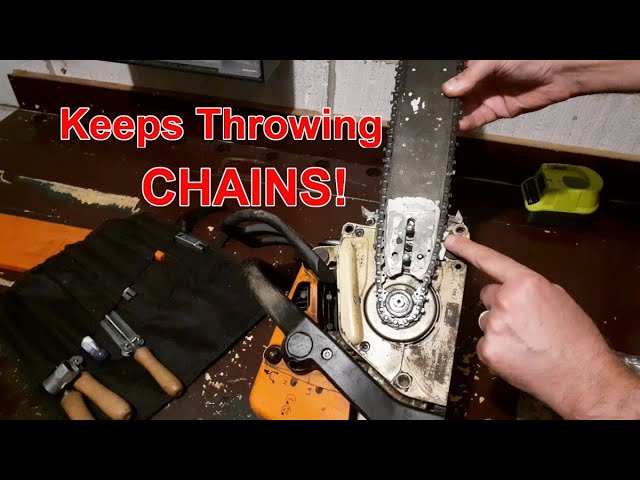
Inspect the chain for damage
A damaged chain may not sit correctly in the bar groove. Look for bent drive links, cracked rivets, broken cutters, missing tie straps, and stiff chain joints.
Do not continue using a chain with a cracked link or damaged rivet. Sharpening cannot repair structural damage. Replace the chain instead.
A chain that has derailed may also become bent. Even if it appears usable, compare it with a new chain or inspect each link closely. A single damaged link can create a weak spot that causes repeated derailment.
Keep the chain sharp and correctly filed. A dull chain makes the operator push harder. This increases vibration, heat, and the chance of pinching the bar. A sharp, properly maintained chain cuts with less force.
The chain brake is an important safety feature, but it does not hold the chain in the bar. It stops the clutch drum during kickback. A chainsaw chain keeps coming off because of a mechanical fit or tension problem, not because the chain brake needs to hold it in place.

Safe steps when the chain comes off
Stop immediately when the chain derails. Do not rev the engine or try to pull the chain back into place while the motor runs.
Follow these steps:
-
Release the throttle.
-
Engage the chain brake.
-
Shut off the engine.
-
Remove the battery or disconnect the spark plug wire.
-
Let the bar and chain cool.
-
Put on cut-resistant gloves.
-
Inspect the chain, bar, sprocket, cover, and tensioner.
-
Reinstall the chain with the cutters facing forward on the top of the bar.
-
Adjust the tension.
-
Tighten the bar nuts and test the chain by hand.
The cutting edges should face forward along the top of the bar. The drive links must sit fully inside the groove. If the chain will not fit smoothly, stop and find the cause.
Never use a chainsaw with a chain that repeatedly comes off. Repeated derailment is a warning that a part is worn, damaged, or incorrectly installed.
When should you replace the bar, sprocket, or chain?
Replacement is often safer and cheaper than trying to save badly worn parts. Consider replacing the chain when it has cracked links, broken cutters, damaged rivets, or cannot be tensioned correctly.
Replace the guide bar when the rails are badly worn, bent, spread apart, or damaged by heat. Replace the sprocket when its teeth are hooked, deeply grooved, or visibly uneven.
A professional inspection is wise when:
• The chain comes off after several correct adjustments.
• The bar moves even with tight nuts.
• The clutch area makes grinding sounds.
• The chain jumps while the saw is idling.
• The oil system does not work.
• The chain brake does not stop the chain properly.
• You cannot identify the correct replacement parts.
Chainsaw repair shops have tools to check bar alignment, clutch parts, sprocket wear, and chain dimensions. A short inspection can prevent a serious injury or a costly engine repair.
Mistakes that make the problem worse
Many operators create more damage while trying to fix a chainsaw chain keeps coming off problem. Avoid these common mistakes:
• Tightening the chain without loosening the bar nuts.
• Setting the chain too tight.
• Using the wrong chain gauge.
• Ignoring a worn sprocket.
• Running the saw without enough chain oil.
• Installing the chain backward.
• Using a damaged chain after it derails.
• Cutting with a loose side cover.
• Pulling the chain into place while the engine runs.
• Testing oil spray with a finger or hand.
One mistake I learned early was to adjust only the chain and skip the bar inspection. The chain stayed on for a short time, then came off again under load. The real cause was a worn bar groove. Checking the complete chain system saves time and prevents repeat failures.
How to prevent a chainsaw chain from coming off
Good maintenance prevents most derailment problems. Before each use, inspect the chain, bar, side cover, and oil level.
Use this simple routine:
• Check chain tension while the saw is cold.
• Inspect the cutters and drive links.
• Clean the bar groove and oil holes.
• Confirm that the chain oil reservoir is filled.
• Check the bar nuts for movement.
• Inspect the sprocket during chain changes.
• Sharpen the chain before it becomes severely dull.
• Retension a new chain after its first cuts.
• Store the saw with the chain protected.
Use the chain size listed in the owner’s manual. Keep a spare chain that matches the saw, but do not assume it fits just because it has the same bar length.
A clean, sharp, well-oiled chain is easier to control. It also reduces the force needed to cut, which lowers stress on the bar, sprocket, clutch, and chain.
Frequently Asked Questions About Chainsaw Chain Keeps Coming Off
Why does my chainsaw chain keep coming off when cutting?
The chain may be too loose, the guide bar may be worn, or the bar nuts may not be tight enough. A worn sprocket, wrong chain size, or damaged drive link can also cause derailment under cutting pressure.
Can I use a chainsaw if the chain keeps coming off?
No. Stop using the saw until you find and repair the cause. A derailed chain can cause severe injury and may damage the bar, clutch cover, sprocket, or chain brake.
How tight should a chainsaw chain be?
The chain should lift slightly from the guide bar but remain engaged in the groove. It should move freely around the bar and snap back into place when released; always use the exact tension guidance in your manual.
Why does a new chainsaw chain keep coming off?
A new chain often stretches during its first use and needs retensioning. If it keeps coming off, check the pitch, gauge, drive link count, bar groove, sprocket, and tensioner.
Can a worn sprocket make the chain come off?
Yes. A worn sprocket may not engage the drive links correctly, especially under load. Replace it when the teeth are hooked, sharply pointed, or deeply grooved.
Should I replace the bar when replacing the chain?
Not always. Replace the bar if it has bent rails, severe wear, heat damage, a damaged nose sprocket, or a groove that no longer holds the drive links correctly.
Conclusion
A chainsaw chain keeps coming off because the chain system is loose, worn, damaged, poorly lubricated, or incorrectly matched. Start with chain tension, then inspect the guide bar, bar nuts, tensioner, sprocket, oil system, and chain size.
Always shut the saw down before handling the chain, and never keep cutting until the fault is fixed. A few minutes of careful inspection can protect your equipment and your hands. Check your owner’s manual, follow the steps above, and share your repair experience or questions in the comments.