Chainsaw Chain Dull Quickly: Causes And Fixes
A chainsaw chain dulls quickly when it hits dirt, rocks, poor wood, or runs with weak lubrication.
When a chainsaw chain dulls quickly, the problem is rarely the chain alone. Cutting technique, chain tension, file size, bar condition, oil flow, and the type of wood all matter. This guide explains how to find the real cause, sharpen the chain correctly, and keep it cutting longer with less effort.
Why a Chainsaw Chain Dulls Quickly
A chainsaw chain is made to cut clean wood fibers with sharp cutter teeth. Each tooth has a top plate, a side plate, and a depth gauge. When the cutting edge becomes rounded or damaged, the chain produces dust instead of clean chips.
A chainsaw chain dulls quickly when the cutting teeth meet material harder than clean wood. Even one brief touch with soil or a hidden nail can damage the edge. The chain may still move around the bar, but it will cut slowly and place extra strain on the saw.
Common reasons include:
• Cutting dirty logs or wood near the ground
• Hitting rocks, sand, nails, wire, or fencing
• Using too little chain oil
• Setting the chain tension too tight or too loose
• Using the wrong sharpening file
• Filing the cutters at the wrong angle
• Cutting frozen, hard, or very dry wood
• Using a worn guide bar or damaged sprocket
• Running a chain with low or uneven depth gauges
A sharp chain should pull itself into the wood with light pressure. If you must push hard, stop and inspect it. Forcing a dull chain is like pressing a butter knife into a steak. It creates heat, wastes fuel, and raises the chance of kickback.

Signs Your Chainsaw Chain Is Dull
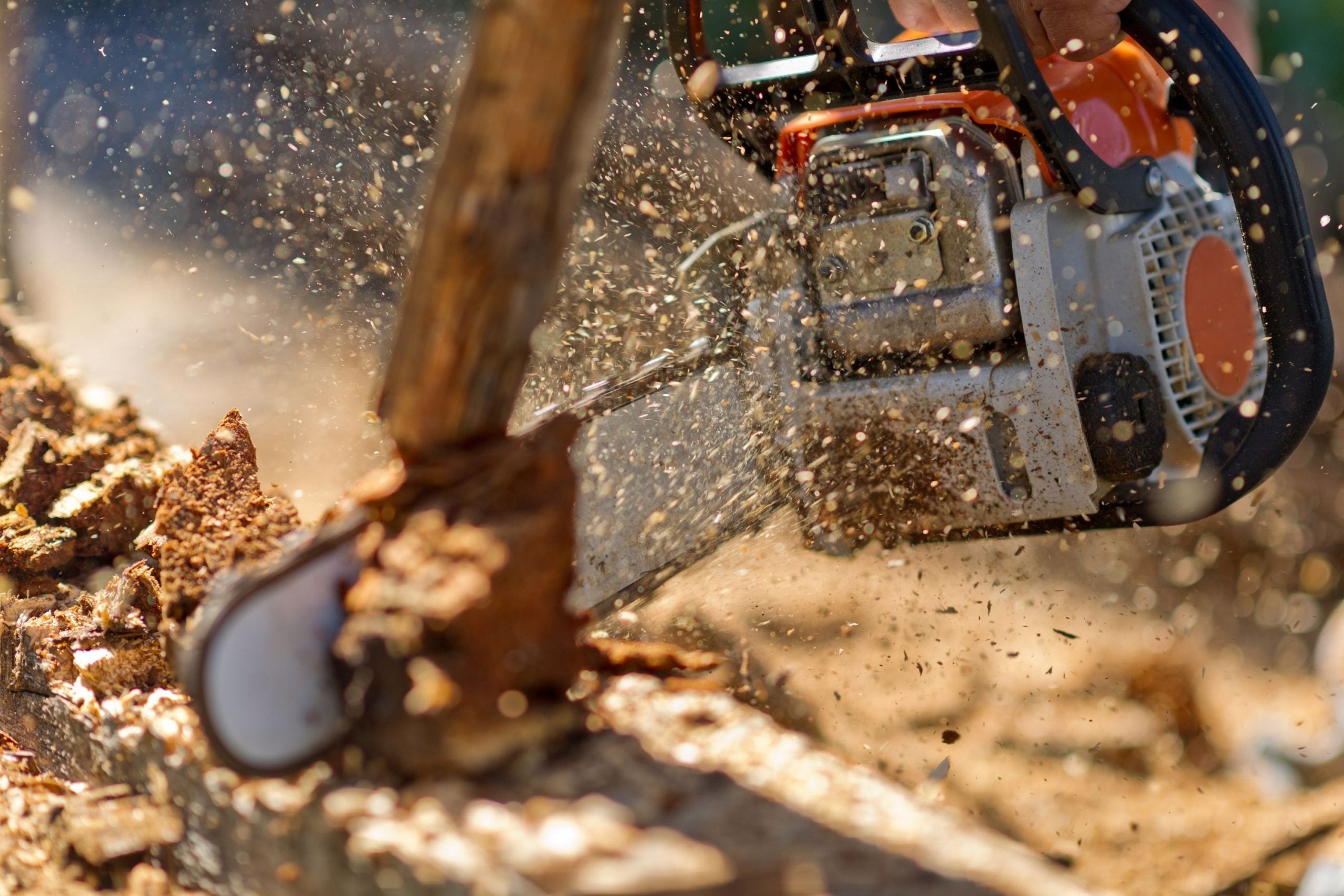
The easiest way to detect a dull chain is to watch the chips. A sharp chain throws small, clean chips from the cut. A dull chain creates fine dust, even when the engine runs at full speed.
A chainsaw chain dulls quickly if you keep cutting after the first warning signs. Continuing to work can turn a simple sharpening job into a damaged bar, overheated clutch, or broken chain.
Look for these signs:
• The saw makes dust instead of chips
• The saw cuts slowly through soft wood
• The cut curves to one side
• The chain smokes during normal cutting
• You need strong downward pressure
• The saw chatters or vibrates more than usual
• The cutters look shiny, rounded, or uneven
• The chain becomes loose after a short cut
• The bar gets unusually hot
• The motor sounds strained during cutting
A curved cut often means the cutters on one side are shorter than the cutters on the other. This can happen after filing one side more than the other or after striking a hard object.
Always shut off the engine before checking the chain. Wear gloves, because even a dull chain can cut skin.

Dirt, Sand, and Hidden Objects
The most common reason a chainsaw chain dulls quickly is contact with dirt. Logs that rest on the ground collect sand and small stones in their bark. The chain can pick up this grit within seconds.
Cutting tree roots is also risky. Roots often contain soil, gravel, and small rocks. Avoid cutting directly into the ground. Use a sawbuck, lift the log, or leave the final section for a hand saw.
Wood can also hide hard objects. Old fence posts, demolition lumber, pallets, and storm-damaged trees may contain nails, wire, staples, or screws. These objects can chip or break several cutters at once.
Use extra care with:
• Fallen trees near roads or fences
• Old orchard trees with wire supports
• Reclaimed lumber
• Logs beside construction sites
• Stumps and roots
• Wood covered in mud, ice, or sand
If you hit metal or stone, stop at once. Do not keep cutting to “finish the job.” Inspect every cutter and sharpen below the damaged area. In some cases, replacing the chain is safer and faster.
Incorrect Chain Tension and Lubrication
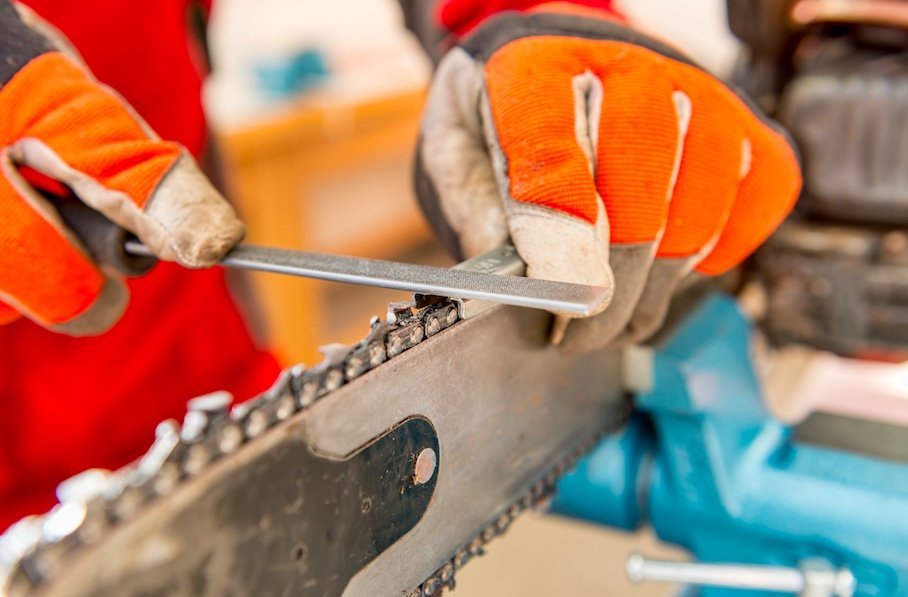
Correct chain tension helps the cutters glide through the wood. A chain that is too tight creates heat and friction. This can make a chainsaw chain dull quickly and may damage the bar rails, clutch, or drive links.
A chain that is too loose can slap the bar, derail, or cut unevenly. It may also stretch faster. To check tension, switch off the saw, release the chain brake if the manual allows it, and pull the chain around the bar by hand while wearing gloves.
The drive links should stay inside the bar groove. The chain should move freely, but it should not hang away from the bottom of the bar. Always follow the tension method in the owner’s manual because saw designs vary.
Good lubrication is just as important. Bar oil reduces heat and friction between the chain and guide bar. A simple test is to point the running bar toward a clean piece of cardboard and briefly increase the throttle. A light line or spray of oil should appear.
Check these points:
• Fill the correct bar and chain oil before cutting
• Clean the oil holes in the guide bar
• Clear sawdust from the clutch cover
• Confirm that the automatic oiler works
• Avoid using waste oil or motor oil
• Do not run the saw at high speed with a dry chain
If a chainsaw chain dulls quickly and the bar looks blue, dry, or heavily scored, inspect the oil system before installing another chain.
Wood Type and Cutting Conditions Matter
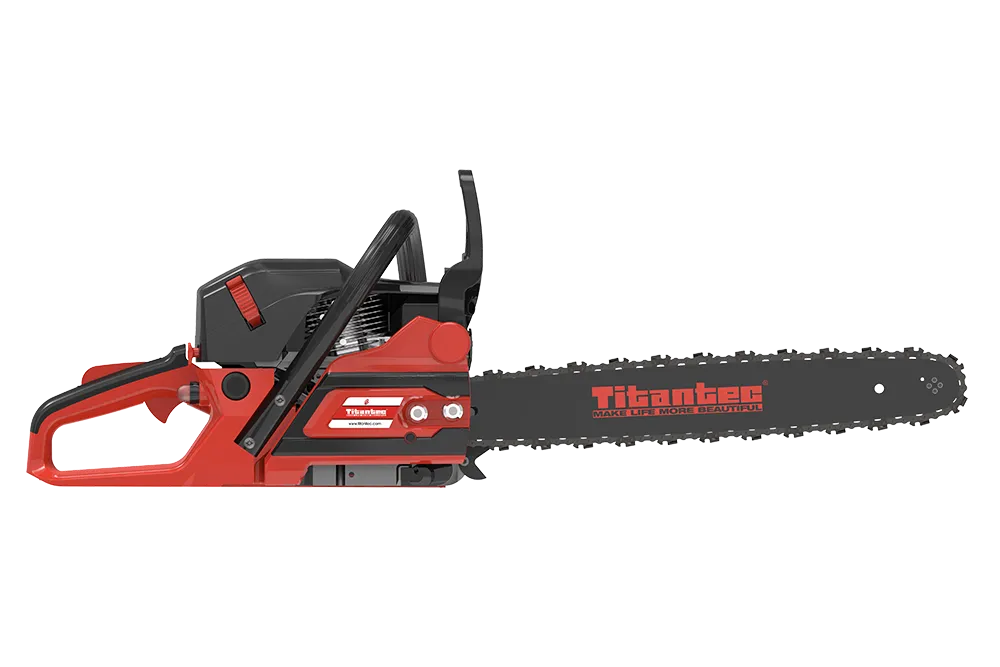
Not all wood wears a chain at the same rate. Soft, clean pine may allow long cutting periods. Hard maple, oak, hickory, and locust place more stress on the cutting edge.
Frozen wood can be especially tough. Ice crystals act like tiny abrasive particles. Dirty bark and dry wood can also increase wear. This does not mean you should avoid hard wood. It means you should use steady pressure, a sharp chain, and proper lubrication.
The cutting direction can affect wear as well. Crosscutting a clean log is usually easier than cutting through twisted grain, knots, crotches, or compression wood. The chain may dull faster when the wood pinches the bar or when the saw rocks during the cut.
Plan each cut before starting:
• Keep the bar from touching the soil
• Avoid forcing the nose into dirty bark
• Support the log to prevent pinching
• Use the correct side of the bar for the cut
• Let the chain do the work
• Stop if the cut becomes hot or smoky
A chainsaw chain dulls quickly when it is pushed through wood with too much force. More pressure does not make a dull chain sharp again. It only creates heat and stress.

Sharpening a Dull Chainsaw Chain
Regular sharpening is part of normal chainsaw care. Many operators touch up the chain after each fuel tank or whenever the cutters lose their bite. A small touch-up is easier than repairing heavily damaged teeth.
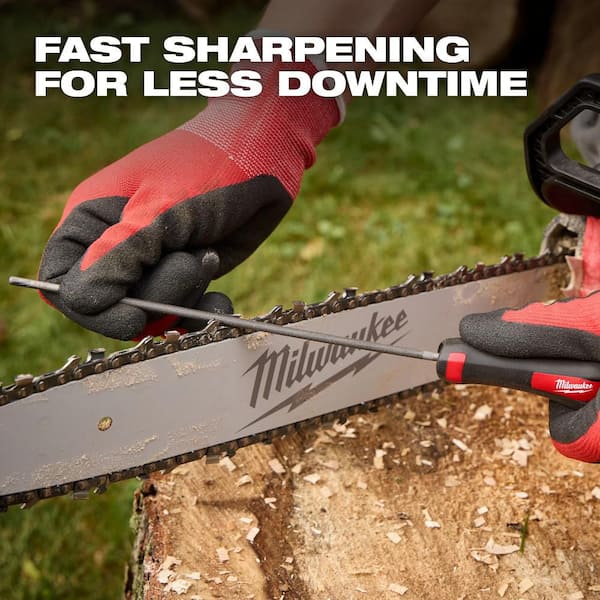
Before sharpening, identify the chain pitch and the correct file diameter. Common round file sizes include 5/32 inch, 3/16 inch, and 7/32 inch, but the correct size depends on the chain. Check the markings on the chain or the saw manual.
Use this basic process:
- Turn off the saw and clean the chain.
- Engage the chain brake or secure the bar in a vise.
- Set the file in the cutter’s file guide.
- Match the top-plate angle marked on the guide.
- File each cutter with smooth forward strokes.
- Use the same number of strokes on matching cutters.
- File all cutters on one side, then the other.
- Check the depth gauges after sharpening.
- Lower depth gauges only with the correct flat file and guide.
- Inspect the chain for cracked or missing parts.
File from the inside of the cutter toward the outside. Keep the file level and avoid pushing it backward through the tooth. The goal is to restore a clean, even edge, not to remove as much metal as possible.
If a chainsaw chain dulls quickly after sharpening, your file may be too large, too small, or held at the wrong angle. A filing guide can improve results, especially for new users.
Depth Gauges and Cutting Performance
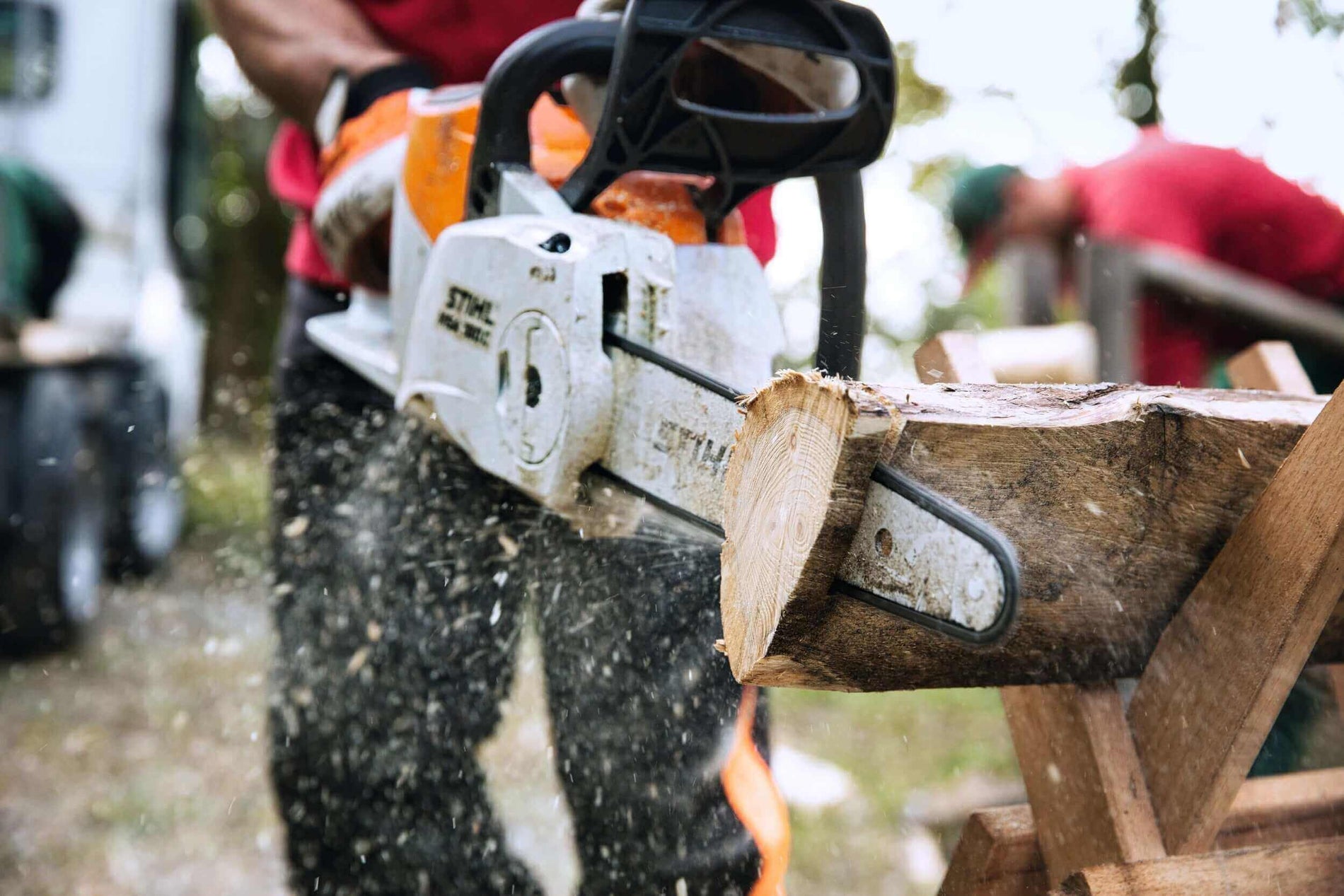
Depth gauges control how deeply each cutter enters the wood. They sit in front of the cutting edge and are sometimes called rakers. If they are too high, the chain takes a tiny bite and cuts slowly. If they are too low, the chain can grab aggressively and create dangerous kickback.
After several sharpenings, the cutter becomes shorter. The depth gauge must be lowered according to the chain maker’s specification. Use a depth-gauge tool that matches the chain type.
Do not guess with a flat file. Removing too much material can make the saw hard to control. It can also increase vibration and kickback risk.
A properly adjusted chain should:
• Cut smoothly without excessive vibration
• Produce chips rather than powder
• Pull into the wood without force
• Keep a steady cutting speed
• Produce a straight kerf
• Avoid violent grabbing
When a chainsaw chain dulls quickly, incorrect depth-gauge filing may be part of the problem. A chain that takes too large a bite can suffer extra impact, especially in hard or knotty wood.
Guide Bar and Sprocket Problems
A new chain may still perform poorly if the guide bar or sprocket is worn. The bar rails should remain fairly even and straight. A rail that is spread, rounded, or lower on one side can make the chain tilt.
Turn the bar over during routine maintenance if the saw design permits it. This helps distribute normal wear. Clean the bar groove and oil holes with a suitable tool, not a sharp object that may damage the groove.
Inspect the sprocket as well. A worn sprocket can cause vibration, poor chain movement, and fast chain wear. If the chain has been used for a long time, replacing the sprocket when installing a new chain may help protect the new chain.
I once saw a saw that seemed to have a sharpening problem, but the real issue was a badly worn bar rail. The operator kept filing the chain, yet every new chain cut at an angle. The lesson was simple: inspect the whole cutting system, not only the teeth.
Replace damaged parts when needed. A chain, bar, and sprocket work as a team. One worn part can quickly reduce the life of the others.

How to Make a Chainsaw Chain Last Longer
Good habits prevent most fast dulling problems. Store the saw clean, keep the chain sharp, and avoid cutting materials that are not meant for a wood chain.
Use this maintenance routine:
• Clean the bar groove after each work session
• Sharpen the chain before it becomes severely dull
• Check oil flow before long cuts
• Maintain correct chain tension
• Keep spare chains clean and lightly protected
• Mark chains that have hit rocks or metal
• Rotate compatible chains if you cut for long hours
• Replace chains with cracked, stretched, or damaged parts
• Keep the air filter and engine tuned
• Follow the manufacturer’s chain specifications
Carry a file, file guide, flat file, gloves, scrench, and spare chain when working away from home. A five-minute touch-up in the field can prevent hours of hard cutting with a damaged edge.
If a chainsaw chain dulls quickly every time you use it, change one factor at a time. Test the oil flow, inspect the wood, check the bar, and review your filing angle. This method helps you find the cause instead of guessing.
Safe Cutting Practices
A sharp chain improves control, but it does not make a chainsaw risk-free. Wear a helmet with eye and hearing protection, chainsaw chaps, gloves, and boots with good grip. Keep bystanders away from the work area.
Before cutting, check for overhead limbs, spring poles, unstable logs, and escape paths. Never cut above shoulder height. Keep both hands on the saw and maintain a firm stance.
The chain brake, throttle lock, and catcher should work correctly. Do not use a saw with a damaged brake or missing safety part. The safety guidance in equipment standards and manufacturer manuals should always take priority over general advice.
Kickback can happen when the upper nose of the guide bar contacts wood or another object. A dull or poorly adjusted chain can increase difficult handling, but even a sharp chain can kick back. Learn safe cutting methods before working on large trees or storm damage.
Frequently Asked Questions About Chainsaw Chain Dull Quickly
Why does my chainsaw chain dull after one cut?
The chain may have hit dirt, a rock, metal, or frozen material. Check the cutters for shiny edges or missing tips, then inspect the bar and oil system before sharpening.
How often should I sharpen a chainsaw chain?
Sharpen the chain whenever it produces dust, cuts slowly, or needs strong pressure. For regular firewood work, a light touch-up after each fuel tank is often a useful starting point.
Can low chain oil make a chain dull quickly?
Yes. Low oil increases friction and heat between the chain and guide bar. Check the oil tank, bar holes, oil channel, and automatic oiler before using the saw again.
What file size should I use for my chainsaw chain?
The correct file size depends on the chain pitch and model. Check the chain markings or the owner’s manual, because using the wrong file can create a weak or poorly shaped cutting edge.
Should I replace the chain if it hits a rock?
Not always. If the damage is light, a careful sharpening may restore the chain. Replace it if cutters are cracked, missing, severely shortened, or if the chain has damaged drive links.
Why does my chainsaw cut crooked after sharpening?
Uneven cutter lengths or different filing angles often cause a crooked cut. A worn or uneven guide bar can also create this problem, so inspect both the chain and bar.
Is it safe to keep using a smoking chainsaw chain?
No. Smoke usually means excess friction, poor oil flow, incorrect tension, or a dull chain. Stop the saw, let it cool, and find the cause before continuing.
Conclusion
A chainsaw chain dulls quickly when it meets dirt, rocks, metal, hard wood, poor lubrication, or incorrect maintenance. The best solution is to inspect the chain, bar, sprocket, oil system, tension, and sharpening method as one complete system.
Keep the chain sharp, avoid ground contact, use proper bar oil, and check the depth gauges during sharpening. These simple habits improve cutting speed, reduce wear, and make the saw easier to control. Put this checklist into practice on your next cutting job, and share your own chainsaw maintenance tips or questions in the comments.