Grinder Vibration Problem: Causes, Fixes, And Prevention
Grinder vibration usually comes from wheel imbalance, poor mounting, worn bearings, or an unstable work setup.
A grinder vibration problem can turn a smooth job into a noisy, unsafe, and inaccurate one. It may cause rough finishes, wheel damage, operator fatigue, and early machine failure. I have seen small setup errors create large vibration issues, so this guide explains how to find the cause and fix it safely. You will learn practical checks, repair steps, prevention tips, and warning signs that mean the grinder should not be used.

What a Grinder Vibration Problem Means
A grinder vibration problem occurs when the machine moves, shakes, or pulses more than normal during operation. The movement may come from the grinding wheel, spindle, motor, bearings, guard, work rest, or base.
Some vibration is normal when a grinder starts. However, strong movement that continues after the wheel reaches full speed is not normal. A healthy grinder should run with steady sound and only slight movement.
Common signs include:
• The grinder shakes across the bench
• The wheel appears to wobble
• The machine makes a repeating hum or thump
• The workpiece chatters during grinding
• The wheel wears unevenly
• Sparks move in an irregular pattern
• The motor becomes hot
• A new noise appears after a wheel change
A grinder vibration problem is often easy to fix when found early. If ignored, it can damage the spindle, loosen fasteners, crack the wheel, or reduce control of the workpiece.

Main Causes of Grinder Vibration
The cause is not always the most obvious part. A loose base can feel like a bad bearing, while an unbalanced wheel can make a sound that seems like a motor fault.
Unbalanced grinding wheel
An unbalanced wheel is one of the most common causes of a grinder vibration problem. A wheel may be unbalanced because of uneven density, moisture, damage, or incorrect dressing.
The wheel acts like a spinning weight. If one side is heavier, centrifugal force pulls that side outward on every turn. The faster the wheel spins, the stronger this force becomes.
A new wheel can also be unbalanced. Never assume that a new abrasive wheel is ready to use without inspection and a proper ring test when the wheel type allows it.
Incorrect wheel installation
A wheel may vibrate if the flanges are dirty, uneven, too small, or tightened too much. The wheel must sit flat on the spindle and between suitable flanges.
Avoid forcing the wheel onto the spindle. The hole should match the spindle size or use an approved reducing bushing. A damaged bushing can hold the wheel off-center.
Overtightening is another common mistake. Excess force can distort the wheel or create uneven pressure between the flanges.
Worn or damaged bearings
Bearings support the spindle and keep it aligned. When they wear, the spindle can move slightly from side to side. This movement often causes a grinder vibration problem that becomes worse as speed increases.
Bearing problems may also create:
• A growling or grinding sound
• Excess heat near the bearing housing
• Spindle play
• Uneven wheel movement
• Vibration even when the wheel is correctly installed
A small amount of movement at the spindle can be serious. Disconnect power, remove the wheel if safe to do so, and check the spindle according to the manufacturer’s instructions.
Loose base or mounting hardware
A bench grinder must sit on a solid, level surface. If the base rocks, the machine can amplify normal motor movement.
Loose mounting bolts, cracked bench material, worn rubber feet, or a bent stand can all create a grinder vibration problem. The machine may seem fine at low speed but move badly when pressure is applied.
Motor or rotor imbalance
The motor rotor may become unbalanced because of dirt buildup, damaged parts, or a bent shaft. A motor fault often causes vibration even when the wheel is removed.
Do not remove guards or enter the motor housing unless you are trained to do so. Electrical and rotating parts can cause serious injury.
Wheel damage or incorrect wheel type
A cracked, chipped, glazed, or damp wheel should not be used. A wheel that does not match the grinder’s speed rating can fail at high speed.
Check the maximum revolutions per minute rating on the wheel. It must meet or exceed the grinder’s rated speed. The abrasive type must also suit the material and task.
Work rest or guard contact
A work rest set too close to the wheel can touch it as the wheel runs. This creates noise, heat, and vibration. Metal dust can also collect between the rest and the wheel.
Keep the work rest adjusted to the clearance stated by the manufacturer. Inspect it often, especially after changing the wheel.

How to Diagnose a Grinder Vibration Problem
Diagnosis should be simple and systematic. Do not guess by replacing parts at random. Start with safety, then inspect the easiest causes first.
1. Stop and isolate the grinder
Turn off the grinder and disconnect it from power. Wait until the wheel stops fully before touching any part.
Do not hold the wheel to stop it. Do not test a suspected damaged wheel by striking it or running it without its guard.
2. Inspect the wheel
Look for cracks, chips, deep grooves, uneven wear, or signs of moisture. If the wheel has been dropped, replace it. A wheel can have hidden damage even when the surface looks normal.
If the wheel type permits a ring test, perform it as described by the wheel maker. A clear ringing sound may suggest an intact wheel, while a dull sound may indicate damage. This test is not suitable for every wheel, so follow the product instructions.
3. Check the wheel fit
Confirm that the wheel fits the spindle correctly. Inspect the flanges, bushings, washers, and spindle for dirt or damage.
Clean mating surfaces with a suitable dry cloth. Do not use a flange that is bent, worn, or smaller than the approved design.
4. Check for spindle play
With power disconnected, gently try to move the spindle from side to side. Noticeable movement may point to worn bearings or a damaged shaft.
Do not force the spindle. If you are unsure what amount of movement is acceptable, compare it with the service limits in the manual or ask a qualified technician.
5. Check the base
Push gently on each corner of the machine. It should not rock. Tighten mounting hardware and repair the bench or stand if needed.
A solid base often solves a grinder vibration problem without any internal repair. This is why mounting should be checked before replacing the motor or bearings.
6. Run a controlled test
After all safety checks are complete, run the grinder with the guard installed and stand to the side, not directly in line with the wheel. Let it reach full speed without applying a workpiece.
Watch and listen from a safe position. If vibration remains strong, shut the machine down and arrange a professional inspection.

How to Fix a Grinder Vibration Problem
The correct repair depends on the cause. Some fixes are simple maintenance tasks, while others require a trained repair person.
Balance or replace the wheel
If the wheel is suitable but slightly unbalanced, use the approved balancing method for that grinder. Some bench grinders use balancing flanges, while larger machines may need a professional balancing tool.
Replace the wheel if it is cracked, damaged, badly worn, or still vibrates after correct installation. A cheap wheel is not worth the risk of a wheel failure.
Clean and align the flanges
Remove dirt, rust, and abrasive dust from the spindle and flange surfaces. Check that each flange sits squarely.
Install the wheel without forcing it. Tighten the nut firmly but do not use excessive force. The wheel should be held securely without being crushed.
Replace worn bearings
If testing shows bearing wear, replace the bearings with the correct parts. Bearings must be installed squarely and lubricated or sealed as specified by the manufacturer.
A bearing replacement can require special tools. If the spindle, housing, or motor shaft is damaged, a repair shop may be the safer and more affordable choice.
Secure the grinder
Bolt the grinder to a rigid bench or approved stand. Use the mounting holes supplied by the manufacturer.
Do not place a vibrating grinder on a loose rubber mat and expect the problem to disappear. A soft pad may reduce noise, but it can also allow movement and make control worse.
Dress the wheel
Wheel dressing removes glazing and restores a more even surface. It can reduce chatter and uneven contact, especially when the wheel has become loaded with metal.
Use the correct dressing tool and follow the grinder instructions. Keep the work rest properly adjusted during dressing.
Repair or replace the motor
If the machine vibrates with the wheel removed, the motor, rotor, shaft, or internal fan may be the cause. Electrical faults can also create uneven motor operation.
Have this work done by a qualified technician. Never bypass a guard, switch, ground connection, or overload device to keep the grinder running.
In my experience, one of the most common mistakes is replacing the wheel several times without checking the base and spindle. A grinder vibration problem can have more than one cause, so confirm each part of the system.

Safety Risks Linked to Grinder Vibration
A grinder vibration problem is not only a comfort issue. It can affect safety, accuracy, and the life of the machine.
Strong vibration can make the workpiece jump or catch. This may pull your hands toward the wheel or cause the workpiece to strike the guard.
Other risks include:
• Wheel cracking or breakage
• Loss of control
• Flying abrasive particles
• Hand and arm fatigue
• Hearing damage from increased noise
• Loose fasteners
• Damage to the grinder frame
• Poor grinding accuracy
Use safety glasses or a face shield, hearing protection, suitable work gloves when appropriate, and close-fitting clothing. Keep long hair and loose items away from rotating parts.
Avoid pressing hard against a vibrating wheel. Pressure can hide the true cause and increase heat. Stop the machine instead.
Workplace safety guidance commonly emphasizes wheel guards, correct speed ratings, secure mounting, and inspection before use. These controls matter because abrasive wheels store significant energy while spinning.

How to Prevent Grinder Vibration
Preventive care is easier than repair. A few minutes of inspection can prevent a damaged wheel or failed bearing.
Use this routine:
-
Inspect the wheel before each use.
-
Check that the guard and work rest are secure.
-
Confirm that the grinder does not rock on its base.
-
Listen for new sounds during startup.
-
Keep the spindle and flanges clean.
-
Avoid using wheels beyond their service life.
-
Store wheels in a dry place as directed.
-
Never exceed the wheel’s rated speed.
-
Dress the wheel when its surface becomes uneven or glazed.
-
Record repeated faults so patterns are easier to find.
Do not use water or oil on an abrasive wheel unless the wheel and grinder are designed for it. Moisture can affect some wheel types and may create an electrical hazard.
Another useful habit is to stand clear during startup. If a wheel has a defect, the first minute of operation is a high-risk period. Keep the guard in place and avoid standing directly in front of the wheel.

Bench Grinder Vibration Versus Angle Grinder Vibration
A bench grinder and an angle grinder can both develop vibration, but the likely causes differ.
A bench grinder vibration problem often comes from wheel balance, spindle bearings, flanges, or poor mounting. The machine is fixed in place, so base movement is easy to notice.
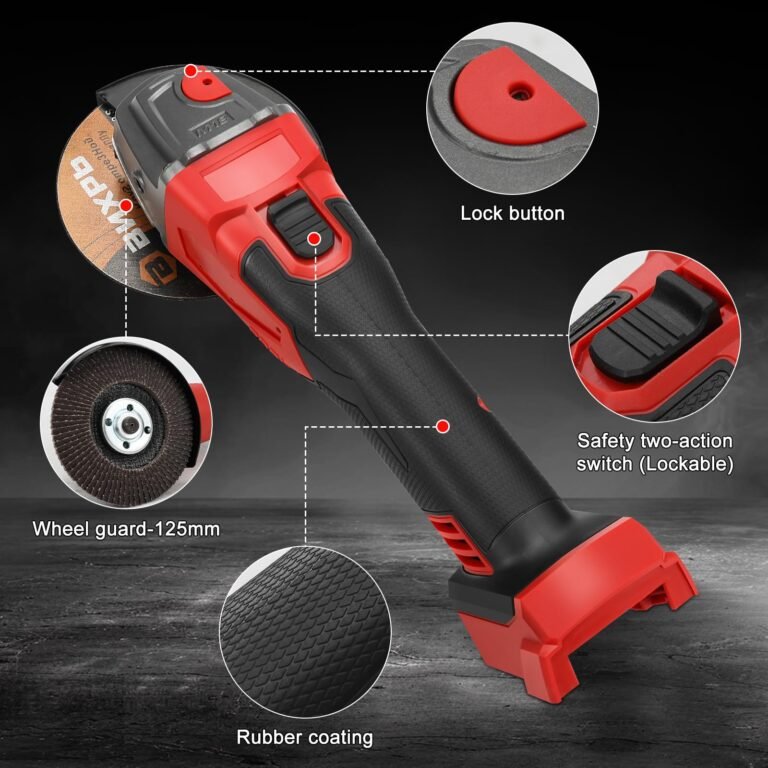
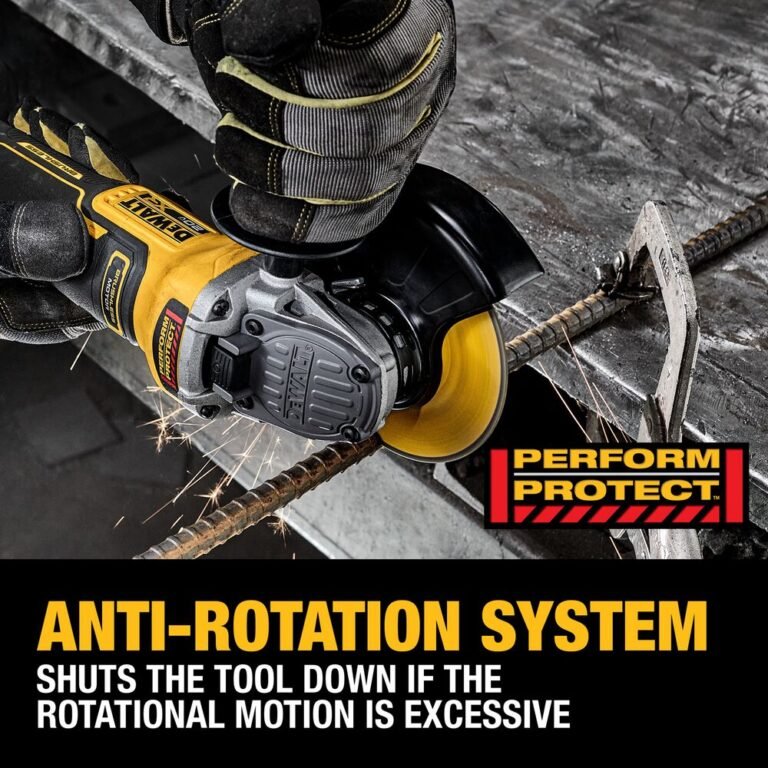
An angle grinder may vibrate because of a bent spindle, damaged backing pad, worn gears, an incorrect disc, or side pressure. Flap discs and wire wheels can also create strong movement if installed incorrectly or worn unevenly.
For an angle grinder, check that the disc matches the tool, guard, and rated speed. Do not use a damaged disc or operate the tool without the correct guard.

Mistakes to Avoid When Troubleshooting
Many repairs fail because the operator focuses on sound rather than cause. A loud grinder is not always suffering from a motor fault.
Avoid these mistakes:
• Continuing to use a cracked or dropped wheel
• Running the grinder without its guard
• Tightening the wheel nut excessively
• Using the wrong wheel size or speed rating
• Ignoring a loose work rest
• Testing vibration while holding the workpiece
• Spraying lubricant near electrical parts
• Replacing bearings without checking shaft damage
• Standing in the wheel’s direct line
One lesson I learned early is to change only one thing at a time during testing. If you replace the wheel, move the machine, and adjust the rest together, you may not know which action solved the grinder vibration problem.

When to Call a Professional
Stop using the grinder and seek qualified help when:
• The wheel is cracked or has been dropped
• The spindle has noticeable play
• The motor vibrates without the wheel
• The housing becomes unusually hot
• The power cord or switch is damaged
• The grinder produces smoke or a burning smell
• Vibration returns after a correct wheel installation
• You cannot identify the wheel’s speed rating
A professional can check shaft runout, bearing condition, motor balance, electrical safety, and wheel alignment. These checks are especially important on high-speed machines and industrial grinders.
The limitation of basic home diagnosis is that it cannot measure every fault. A machine may seem stable by hand but still have enough shaft runout to damage wheels or create unsafe operating forces.
Frequently Asked Questions About Grinder Vibration Problem
Why is my bench grinder shaking?
A bench grinder may shake because of an unbalanced wheel, loose mounting bolts, worn bearings, or an uneven bench. Start by disconnecting power and checking the wheel, flanges, spindle, and base.
Can a bad grinding wheel cause vibration?
Yes, a damaged, uneven, or poorly balanced wheel can cause severe vibration. Replace any wheel that is cracked, chipped, dropped, or rated below the grinder’s operating speed.
How do I know if grinder bearings are bad?
Bad bearings may cause growling sounds, heat, spindle play, or vibration that continues after the wheel is correctly installed. A qualified technician can confirm the fault by checking shaft movement and runout.
Is grinder vibration dangerous?
Strong grinder vibration can be dangerous because it may reduce control, damage the wheel, or cause a wheel failure. Stop the machine and inspect it before using it again.
Can tightening the wheel nut stop vibration?
Tightening the nut may help if the wheel is loose, but excessive force can distort the wheel and make vibration worse. Tighten it only as much as the manufacturer recommends.
Should I replace a grinder that vibrates?
Not always. A grinder vibration problem may come from a simple wheel or mounting issue, but persistent vibration can indicate a damaged shaft, motor, or bearing. Have the machine inspected before deciding to replace it.
Conclusion
A grinder vibration problem usually points to an issue with the wheel, mounting, spindle, bearings, motor, or work rest. Start with a safe inspection, check the simple causes first, and never operate a grinder with a damaged wheel or missing guard.
A steady maintenance routine can protect your hands, improve grinding results, and extend machine life. Inspect your grinder before the next job, correct one fault at a time, and ask a qualified technician for help when the cause is not clear. Share your experience or explore more equipment maintenance guides to keep your workshop safe and reliable.