Milwaukee Grinder Overheating: Causes And Easy Fixes
A Milwaukee grinder overheating usually points to excess load, poor airflow, worn parts, or a power problem.
Milwaukee angle grinders are built for demanding cutting and grinding, but even a strong tool can get too hot. This guide explains Milwaukee grinder overheating, shows how to find the real cause, and gives safe steps to prevent motor damage, battery stress, and lost work time.
What Milwaukee Grinder Overheating Means
Milwaukee grinder overheating happens when the tool creates heat faster than it can release it. Some warmth is normal during heavy work, but extreme heat is a warning sign.
The housing may feel unusually hot, the motor may slow, or the tool may stop by itself. A cordless model may also show a battery warning or shut down through its electronic protection system.
A grinder often acts like a small engine. The harder it works, the more heat it makes. If the wheel binds, the vents clog, or the motor cannot spin freely, that heat builds fast.
Normal heat should reduce after a short rest. If the tool stays hot while idle, smells like burnt plastic, sparks heavily, or trips often, stop using it and inspect it before continuing.

Common Causes of Milwaukee Grinder Overheating
Excessive pressure
Many users push down hard to make a cut faster. This can slow the wheel and force the motor to draw more current.
A grinder works best when the wheel does the cutting. Use steady, light pressure instead of forcing the tool through steel, masonry, or thick metal.
Milwaukee grinder overheating often starts with pressure that is too high. The motor must fight both the material and the resistance caused by the stalled wheel.
Using the wrong wheel
A wheel that is too large, damaged, dull, or poorly matched to the material can raise the load on the tool.
Check the grinder’s rating before installing a wheel. The wheel’s maximum speed must meet or exceed the grinder’s rated speed. A cutting wheel is not a replacement for a grinding wheel, and a worn wheel may need more force.
Look for:
- Cracks or chips
- A bent or warped disc
- A wheel with the wrong diameter
- A disc rated below the grinder’s speed
- A wheel designed for a different material
Blocked cooling vents
The motor needs airflow. Dust, metal filings, concrete powder, and grinding sparks can collect around the vents.
When the vents clog, hot air cannot escape. The tool may still run, but its internal temperature rises much faster.
Clean the vents with a soft brush or dry compressed air. Keep the air pressure moderate, and follow the tool manual. Never push debris deeper into the housing.
Long, nonstop use
A grinder is not always meant to run at full load without breaks. Long cuts and repeated grinding passes can heat the motor, gears, battery, and spindle.
Use short work cycles. Set the tool down on a clear surface and allow it to cool naturally. Do not place a hot grinder in water, on snow, or against a cold metal surface, as sudden temperature changes may damage parts.
Worn carbon brushes
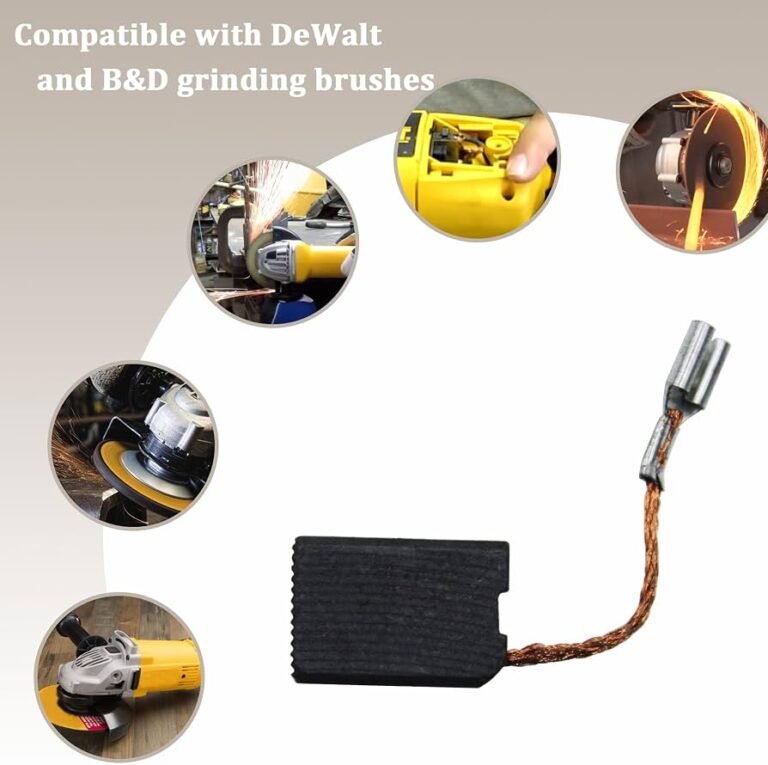
Some corded Milwaukee grinders use carbon brushes. These brushes transfer current to the motor and wear over time.
Worn brushes can cause:
- Reduced power
- Intermittent operation
- Heavy sparking
- A burning smell
- Motor heat at light loads
Brush replacement should match the exact model. Unplug the tool before inspection, and use qualified service help if you are not comfortable opening the housing.
Damaged bearings or gears
A failing bearing can create friction and noise. Damaged gears may also make the motor work harder than normal.
Listen for grinding, rattling, squealing, or a change in pitch. If the tool vibrates more than it used to, stop using it. Continued use can turn a small repair into a motor or gearbox replacement.
Battery and charger problems
Cordless grinders can overheat because of the tool, the battery, or both. A battery that is too hot may trigger electronic protection and stop the tool.
Do not use a battery that is swollen, cracked, wet, or leaking. Use the correct Milwaukee charger and battery family for your model. Let a hot battery cool in a dry, shaded place before charging.
Power supply issues
A corded grinder may overheat when used with a long, thin, or damaged extension cord. Voltage drop can reduce motor performance and increase heat.
Inspect the cord, plug, and extension cord before work. Use a heavy-duty cord with a suitable rating, and avoid connecting several high-load tools to the same circuit.

How to Diagnose Milwaukee Grinder Overheating
A simple inspection can help you separate normal heat from a serious fault. Always remove the battery or unplug the grinder before checking the wheel, guard, vents, or cord.
Step 1: Stop the tool
Release the trigger and place the grinder on a stable, nonflammable surface. Do not touch the disc right away because it may remain hot.
If you see smoke, flames, melted plastic, or strong electrical arcing, move away and seek professional service. Never keep testing a tool that shows signs of fire risk.
Step 2: Check the work method
Ask yourself what happened just before the heat appeared.
- Did the wheel bind?
- Were you pressing hard?
- Were you cutting thick material?
- Did the grinder run for a long time?
- Did the tool lose speed?
- Was the battery already hot?
A pattern of overheating only during heavy cuts usually points to load, technique, or wheel choice. Heat during light work suggests airflow, electrical, bearing, or motor trouble.
Step 3: Inspect the wheel and guard
Remove the battery or unplug the tool. Check that the wheel is the correct type and size, and confirm that the guard is installed correctly.
A damaged wheel can wobble and create extra resistance. Never use a wheel that has been dropped or shows cracks.
Step 4: Clean the vents
Brush away dust around every air opening. Do not operate the tool with the vents covered by your hand, clothing, or a dusty work surface.
If debris has entered deep inside the housing, professional cleaning is safer than poking into the motor with a metal object.
Step 5: Test without a load
After the grinder cools, install a safe wheel and run it briefly without contacting material. Keep the guard in place and stand clear of the wheel.
Watch for unusual noise, vibration, smell, sparks, or slow startup. Milwaukee grinder overheating during no-load operation is a stronger sign of an internal problem.
Step 6: Check the power source
For a cordless model, try a known-good, fully charged battery that is approved for the tool. For a corded model, inspect the extension cord and outlet.
Do not bypass a thermal cutoff or electronic safety feature. Those systems may be warning you about a real temperature or current problem.

Safe Ways to Stop Milwaukee Grinder Overheating
The best repair is often a change in how the tool is used. These habits reduce heat without slowing the job.
- Use the correct wheel for cutting, grinding, sanding, or masonry.
- Let the wheel maintain speed instead of forcing it.
- Make several light passes through thick material.
- Keep both hands on the grinder when the task requires control.
- Keep cooling vents clear.
- Take regular cooling breaks during heavy work.
- Use the right battery and charger for cordless models.
- Use a suitable extension cord for corded models.
- Replace dull, cracked, or damaged wheels.
- Keep the grinder clean and dry.
- Store batteries away from extreme heat.
- Wear eye, hearing, hand, and respiratory protection as the job requires.
A useful rule is simple: if the wheel slows sharply, ease off. A slower wheel means the motor is under more stress, and continued pressure can turn a small heat problem into permanent damage.

Milwaukee Grinder Overheating: Cordless vs. Corded Models
Cordless grinder overheating
Cordless models have more heat sources. The motor, electronics, battery contacts, and battery cells can all warm during demanding work.
High-output batteries may support heavy loads better, but they still need time to cool. A hot battery should not be placed straight onto a charger. Let it return to a normal room temperature first.
If one battery overheats while another works normally, inspect the first battery. If every battery causes the same problem, the grinder may need service.
Corded grinder overheating
A corded grinder depends on stable voltage and adequate airflow. A poor extension cord, weak outlet, or damaged plug may cause low performance and extra motor heat.
Corded models may also show brush wear or armature problems that are less relevant to cordless tools. Burning smells, heavy sparks, and heat during no-load operation require prompt inspection.

What Not to Do When a Milwaukee Grinder Gets Hot
Some quick fixes can create a larger safety problem. Avoid these mistakes:
- Do not pour water on the grinder.
- Do not keep working after a burning smell appears.
- Do not remove the guard to make the tool run cooler.
- Do not use a larger wheel than the tool allows.
- Do not install a wheel with a lower speed rating.
- Do not charge a hot, wet, swollen, or damaged battery.
- Do not block the vents with your hand.
- Do not bypass a thermal switch.
- Do not open the tool while it is connected to power.
- Do not use a damaged extension cord.
Cooling the outside of the tool does not fix an internal fault. The safe approach is to stop, isolate the power source, inspect the obvious causes, and seek service when the warning signs remain.
When to Repair or Replace the Grinder
Not every hot grinder needs replacement. A clogged vent, worn wheel, poor technique, or unsuitable extension cord may be easy to correct.
Service is the better choice when you notice:
- Repeated overheating during light work
- A burning electrical smell
- Smoke or melted plastic
- Heavy or unusual sparking
- Loud bearing or gear noise
- Severe vibration
- A trigger that sticks
- A cord with exposed wires
- A battery that swells or leaks
- A grinder that stops and will not reset after cooling
Use the model number to find the correct parts and service instructions. Milwaukee models can differ in motor design, electronics, brush layout, battery system, and rated accessories.
In my troubleshooting experience, the most common mistake is testing the tool again and again after it has already shown a clear fault. One more test rarely provides useful information, but it can cause more damage. When a grinder overheats at no load, professional diagnosis is usually the safest and most cost-effective path.

How to Prevent Milwaukee Grinder Overheating
Prevention starts before the wheel touches the material. Choose the right accessory, inspect the tool, and plan short work cycles.
Before each job:
- Check the wheel for cracks and wear.
- Confirm the wheel size and speed rating.
- Inspect the guard, spindle, cord, and plug.
- Clear dust from the air vents.
- Charge and inspect the battery if using a cordless model.
- Secure the workpiece.
- Put on suitable personal protective equipment.
- Plan light passes instead of one forced cut.
During the job, pay attention to sound and speed. A healthy grinder has a steady tone. A sudden change in pitch often means the wheel is overloaded, the material is pinching it, or an internal part is failing.
After the job, unplug the tool or remove the battery. Brush away dust and store the grinder where moisture and extreme heat cannot reach it.
Safety guidance for abrasive tools consistently stresses wheel inspection, proper guards, correct speed ratings, and protection from sparks and fragments. Follow the instructions for your exact Milwaukee model because limits and accessory rules can vary.

Frequently Asked Questions About Milwaukee Grinder Overheating
Why does my Milwaukee grinder get hot so fast?
The most common causes are heavy pressure, a dull or incorrect wheel, blocked vents, and long use without breaks. If it gets hot during light work or while running freely, an internal fault may be involved.
Why does my cordless Milwaukee grinder stop when it gets hot?
The battery or tool may be activating thermal or overload protection. Let both cool naturally, then check the wheel, vents, and workload before trying again.
Can a bad battery cause Milwaukee grinder overheating?
Yes. A damaged, aged, or overloaded battery can become hot and may cause the tool to stop. Do not use a swollen, cracked, leaking, or unusually hot battery.
How long should I let an overheated grinder cool?
There is no single time for every model or job. Let the tool cool naturally until the housing and battery feel near room temperature, and do not charge a hot battery.
Should I replace the carbon brushes if the grinder overheats?
Worn carbon brushes can cause heat, poor power, and excess sparking in some corded models. Replace them only with the correct parts, or have a qualified technician inspect the grinder.
Is it safe to use a Milwaukee grinder after it overheats?
It may be safe if the heat came from a short period of heavy work and the tool passes a careful inspection. Do not reuse it if it smells burnt, sparks heavily, vibrates, smokes, or overheats during light operation.
Can a larger grinding wheel prevent overheating?
No. A larger wheel can exceed the tool’s design limits and create a serious safety risk. Use only accessories that match the grinder’s size, speed, and purpose.
Conclusion
Milwaukee grinder overheating usually comes from excess pressure, a poor wheel choice, blocked vents, long work cycles, battery stress, or an internal defect. Start with safe checks: stop the tool, remove power, inspect the accessory, clean the vents, and review the power source.
Use light pressure, keep the grinder cool, and treat burning smells, heavy sparks, unusual noise, and no-load heat as serious warnings. Apply these habits on your next job, consult the instructions for your exact model, and share your experience or questions with other tool users.