Angle Grinder Keeps Shutting Off: Causes And Fixes
An angle grinder usually shuts off because of overload, overheating, power faults, worn brushes, or a failing switch.
When an angle grinder keeps shutting off, it is often protecting itself from heat, excess load, or an electrical fault. The good news is that many causes are easy to find, but repeated shutdowns should never be ignored. This guide explains the likely problems, safe tests, practical fixes, and signs that mean the tool needs professional service or replacement.
Why an Angle Grinder Keeps Shutting Off
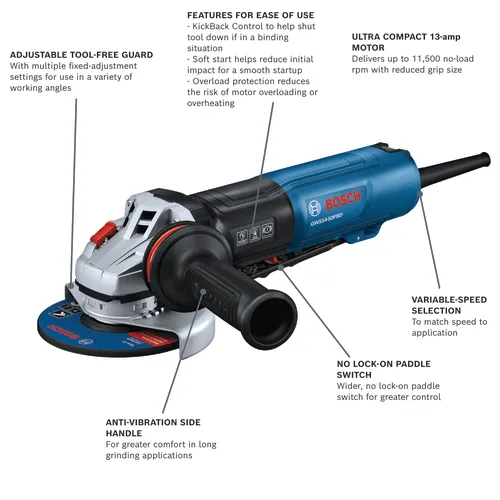
An angle grinder is a high-speed power tool. Its motor can draw a large amount of current, especially when cutting thick metal or pressing the disc too hard. Most modern grinders have safety systems that stop the motor when they sense too much heat or electrical stress.
The most common causes include:
• Motor overload from forcing the disc into the material
• Thermal protection caused by excessive heat
• A weak extension cord or poor power supply
• A damaged power cord, plug, or outlet
• Worn carbon brushes
• A faulty trigger or power switch
• A blocked air vent
• A damaged disc, spindle, bearing, or gearbox
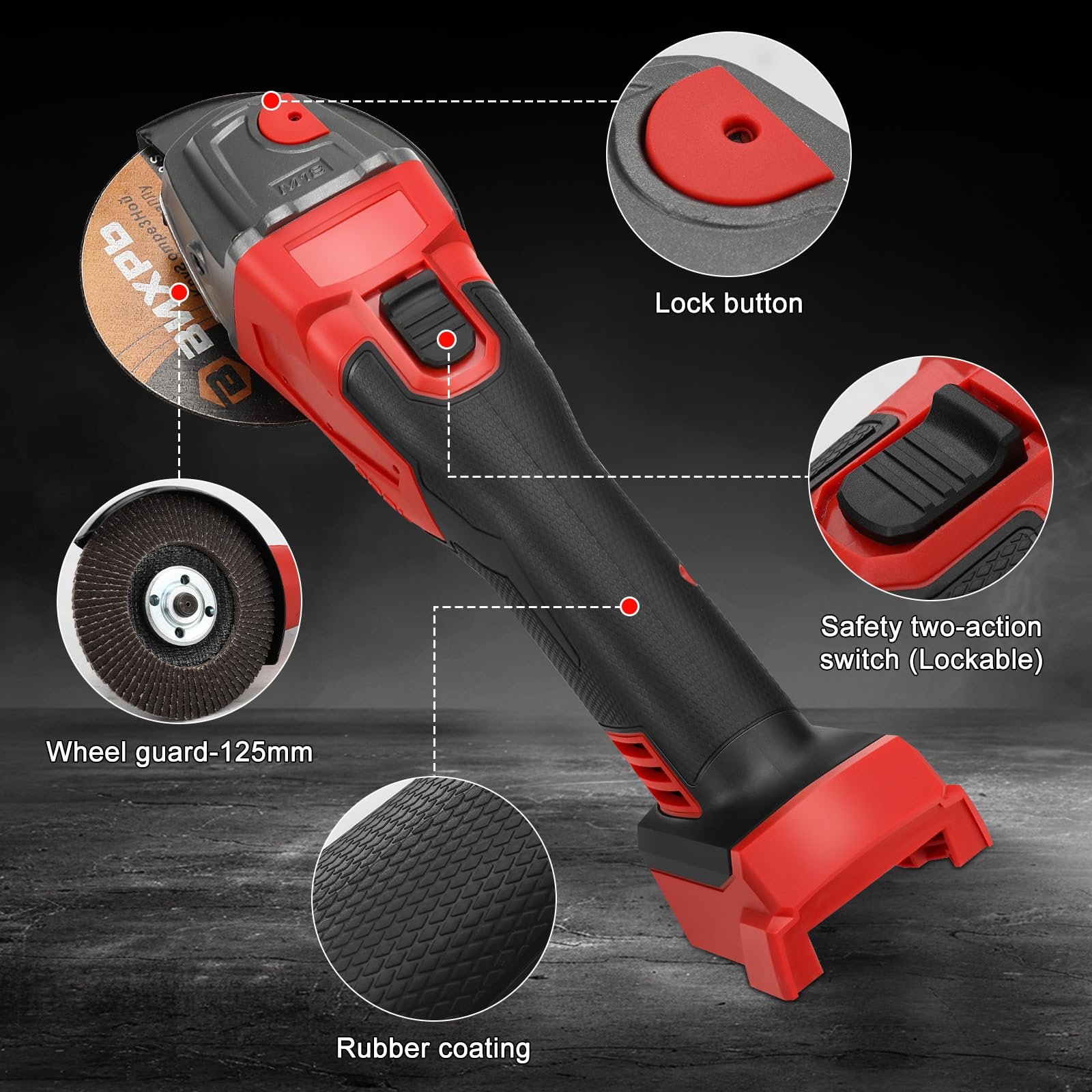
• A weak battery on a cordless model
• An internal electronic fault
The timing of the shutdown gives you a useful clue. If the tool stops after several minutes, heat or overload is likely. If it stops as soon as you pull the trigger, suspect the switch, cord, battery, or motor circuit.
Thermal overload protection
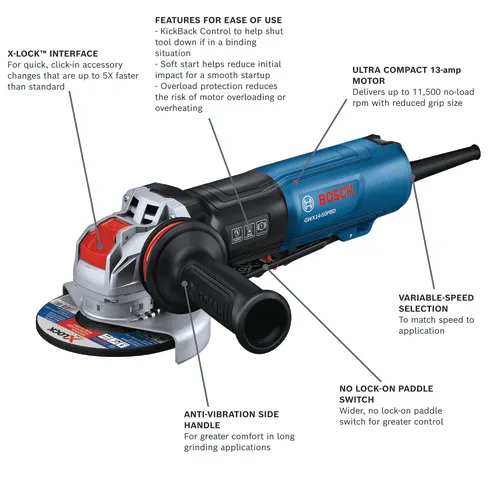
Many angle grinders include thermal protection. This feature cuts power when the motor becomes too hot. It helps prevent damage to the windings and other internal parts.
A grinder may restart after cooling for 10 to 30 minutes. However, frequent thermal shutdowns often point to a deeper problem. The tool may be overloaded, poorly ventilated, or worn inside.
Excessive cutting pressure
A grinder works best when the disc removes material at a steady rate. Heavy pressure slows the disc and makes the motor work much harder. This creates heat and can trip the overload system.
Think of the motor like a person climbing stairs. A steady pace is manageable, but carrying too much weight can quickly cause fatigue.
Electrical interruptions
A loose plug, damaged cord, weak extension cable, or faulty outlet can interrupt power. The grinder may stop, restart, or run unevenly.
Cordless grinders can show similar symptoms when the battery is low, too cold, overheated, or unable to provide enough current.
How to Diagnose the Problem Safely
Before testing anything, unplug a corded grinder or remove the battery from a cordless model. Never inspect the disc, switch, or vents while the tool is connected to power.
Wear safety glasses when handling the tool. If you recently used it, allow the motor and gearbox to cool before touching them.
Use this simple process:
-
Note when the shutdown occurs. Does it stop at once, after a few seconds, or only after several minutes?
-
Check the disc. Look for cracks, chips, warping, heavy wear, or the wrong disc type.
-
Spin the spindle by hand. It should move smoothly when the tool is unplugged and the disc is removed.
-
Inspect the air vents. Remove dust with a soft brush or low-pressure air.
-
Check the cord and plug. Look for cuts, crushed areas, loose pins, or burn marks.
-
Test another suitable outlet. Avoid using a questionable power strip.
-
Try a correctly rated extension cord. A long, thin cord can cause voltage drop.
-
For cordless models, test a fully charged battery that fits the tool.
-
Listen for unusual sounds. Grinding, buzzing, clicking, or sparking can point to internal damage.
Shutdown after several minutes
If your angle grinder keeps shutting off after steady use, let it cool completely. Then test it with a light pass on scrap material.
If it runs again after cooling but stops during normal work, reduce pressure and improve airflow. Continued shutdowns may mean the motor, bearings, brushes, or control board are failing.
Shutdown at startup
An immediate shutdown often relates to the switch, electronic controller, battery, or power supply. A jammed disc or seized bearing can also cause a high starting load.
Do not keep pulling the trigger to “see if it will catch.” Repeated attempts can damage the motor or controller.
Shutdown when the tool moves
If the grinder stops when you bend or move the cord, the cable may have an internal break. The outside insulation can look normal even when the copper strands inside are damaged.
Stop using the tool. A damaged cord is a shock and fire hazard and should be replaced with the correct part by a qualified person.
Common Fixes for an Angle Grinder That Shuts Off
The right fix depends on the cause. Start with simple external checks before opening the housing.
Reduce pressure and use the right technique
Let the disc do the work. Hold the grinder firmly, but do not force it into the material.
For cutting:
• Keep the disc straight in the cut
• Use a disc made for the material
• Avoid twisting the disc
• Take short pauses during long cuts
• Do not push harder when the disc slows
For grinding:
• Use the correct grinding wheel
• Keep the wheel at the angle recommended by its instructions
• Move across the surface instead of holding one spot too long
A sharp, suitable disc places less strain on the motor than a worn or incorrect disc.
Clean the cooling vents
Dust can block airflow around the motor. Metal filings and masonry dust are especially harmful because they can enter the housing and damage electrical parts.
Disconnect the tool first. Brush away loose debris, then use gentle compressed air if the manufacturer allows it. Avoid forcing high-pressure air deep into the bearings or electronics.
Never operate the grinder with its vents covered by clothing, dust, or a work surface.
Replace a damaged disc
A cracked or warped disc can create vibration and extra resistance. It may also be dangerous at high speed.
Check that the disc:
• Matches the grinder’s maximum speed
• Is designed for the material
• Fits the spindle correctly
• Is not expired, cracked, wet, or damaged
• Is installed in the correct direction when required
Always use the guard supplied for the disc type. Never use a cutting disc for side grinding unless the disc manufacturer specifically allows it.
Use a suitable extension cord
A long, undersized extension cord can reduce voltage at the grinder. The motor then draws more current and may overheat.
Choose a heavy-duty cord with a rating suitable for the grinder and its length. Keep the cord fully uncoiled during use when the manufacturer recommends it. Do not connect several extension cords together.
If other high-power tools share the same circuit, move the grinder to a separate circuit. A tripped breaker or repeated voltage drop can be a sign that the circuit is overloaded.
Let the tool cool
If the housing feels very hot or the motor smells sharp and burnt, stop work. Place the grinder in a clean, dry area and let it cool naturally.
Do not cool it with water. Sudden temperature changes can damage parts, and water near electrical equipment creates a serious shock risk.
If the tool shuts down again soon after cooling, stop using it until the cause is found.
Internal Problems That May Need Repair
Some causes are not suitable for home repair. Opening the housing can expose you to stored electrical energy, sharp parts, and incorrect wiring.
Worn carbon brushes
Many corded grinders use carbon brushes to transfer current to the motor. These brushes wear down over time.
Common signs include:
• Intermittent operation
• Heavy sparking near the motor
• Reduced power
• A burning smell
• Shutdown when the tool vibrates
• Visible brush dust
Some models have replaceable brushes. Use only the exact type listed by the manufacturer. Both brushes should usually be checked and replaced as a matched pair.
Faulty switch
A worn switch may fail to maintain contact. The grinder can stop when you release pressure, change your grip, or move the tool.
Do not bypass the switch. A bypass removes an important safety feature and can leave the motor running unexpectedly.
Damaged bearings or gearbox
A failing bearing may produce a rough grinding sound. A damaged gearbox can create vibration, heat, or resistance at the spindle.
With the tool unplugged, unusual drag when turning the spindle is a warning sign. Do not continue using the grinder if the disc wobbles or the spindle feels loose.
Motor or control board failure
Cordless models often use electronic controls to manage speed, current, and battery temperature. A failed controller can shut the tool down even when the battery is fully charged.
Repairs can cost nearly as much as a new grinder. Compare the repair price, tool age, warranty status, and availability of parts before deciding.
In my experience with power tool troubleshooting, the biggest mistake is replacing the battery or switch without first checking the disc, vents, cord, and cutting technique. Simple load problems can look like expensive electronic failures.

Corded Versus Cordless Angle Grinder Shutdowns
The basic symptoms are similar, but corded and cordless tools have different weak points.
Corded grinder problems
Check these areas first:
• Outlet condition
• Circuit breaker
• Extension cord size and length
• Plug and power cable
• Carbon brushes
• Switch
A corded grinder that stops only at one outlet may be dealing with a circuit problem. A grinder that stops when the cord moves likely has cable damage.
Cordless grinder problems
For a cordless angle grinder, inspect:
• Battery charge level
• Battery temperature
• Battery contacts
• Battery age
• Charger condition
• Tool and battery compatibility
Lithium-ion batteries can enter a protection state if they become too hot, too cold, deeply discharged, or overloaded. Let the battery return to room temperature and charge it with the approved charger.
Clean battery contacts with a dry cloth. Do not scrape them with metal or spray liquid into the tool.
If a second known-good battery works normally, the original battery may be worn out. If both batteries cause the same shutdown, the tool may have an internal fault.
Safety Rules Before Using the Grinder Again
An angle grinder can eject fragments at very high speed. It can also create sparks, noise, dust, and kickback. A shutdown problem must be treated as a safety issue, not just an inconvenience.
Follow these rules:
• Disconnect power before inspecting or changing parts.
• Use the correct guard, handle, wheel, and personal protective equipment.
• Wear eye protection and hearing protection.
• Use a suitable respirator when cutting materials that create harmful dust.
• Keep flammable liquids, sawdust, and gas cylinders away from sparks.
• Secure the workpiece with clamps.
• Keep both hands on the tool when the design requires it.
• Stand out of the wheel’s possible kickback path.
• Never remove the guard to make a cut easier.
• Never use a disc above its rated speed.
Standards and workplace safety guidance consistently stress guarding, correct wheel selection, eye protection, and inspection before use. Manufacturer instructions take priority because grinder designs differ.
Stop immediately if you notice smoke, a burning odor, exposed wires, severe sparks, a cracked wheel, or a loose spindle. A tool that smells burnt is telling you to stop before it becomes a fire or shock hazard.
How to Prevent Future Shutdowns
Good maintenance reduces both nuisance shutdowns and serious failures.
Before each job:
-
Inspect the wheel and guard.
-
Check the cord, plug, or battery.
-
Clear dust from the vents.
-
Confirm that the disc speed rating exceeds the grinder’s maximum speed.
-
Secure the material.
-
Plan the cut so the disc will not bind.
During use:
• Apply light, even pressure.
• Keep the vents open.
• Avoid long, nonstop cuts.
• Watch for changes in sound, speed, heat, or vibration.
• Stop before the motor becomes excessively hot.
After use:
• Disconnect the power.
• Brush away dust.
• Store discs in a dry place.
• Do not wrap the cord tightly around the tool.
• Allow the battery to cool before charging if it is hot.
Keep a record of repeated failures. Note the disc type, material, run time, temperature, and power source. This information can help a repair technician identify a pattern.
One useful lesson is to treat the grinder’s sound like a dashboard warning light. A healthy motor usually has a steady tone. A falling pitch, harsh buzz, or rough rattle often appears before the shutdown.

When to Repair or Replace the Grinder
A minor issue, such as a dirty vent or worn brush, may be worth fixing. A damaged cord, switch, or bearing should be repaired with approved parts.
Replacement may make more sense when:
• The grinder has several major faults
• The motor has a burnt smell
• The housing is cracked
• The spindle is loose
• Parts are no longer available
• Repair costs approach the price of a new tool
• The tool has suffered water or severe impact damage
If the grinder is under warranty, do not open it. Contact the manufacturer or an authorized service center.
Do not rely on online instructions that tell you to remove thermal protection or bridge a switch. Those changes can defeat safety systems and create a dangerous tool.
Frequently Asked Questions About Angle Grinder Keeps Shutting Off
Why does my angle grinder keep shutting off when cutting?
The grinder may be overloaded by too much pressure, a dull disc, a binding cut, or the wrong wheel. Reduce pressure, use the correct disc, and allow the motor to cool before testing again.
Why does my angle grinder stop after a few minutes?
This usually points to thermal overload, blocked vents, poor airflow, or a worn motor. If it stops repeatedly after cooling, have the grinder inspected instead of continuing to use it.
Can a bad extension cord make an angle grinder shut off?
Yes. A long or undersized extension cord can cause voltage drop and motor overheating. Test the grinder with a properly rated cord and a suitable outlet.
Why does my cordless angle grinder shut off with a full battery?
The battery may be too hot, too cold, worn out, or unable to deliver enough current under load. Test another compatible battery and check the battery contacts for dirt or damage.
Are worn carbon brushes a reason an angle grinder keeps shutting off?
Yes. Worn brushes can cause intermittent power, weak performance, sparking, and sudden shutdowns. Replace them only with the correct manufacturer-approved parts.
Is it safe to keep using an angle grinder that shuts off?
No, not until you identify the cause. Repeated shutdowns can signal overheating, a damaged cord, a failing switch, or an internal electrical fault.
Should I remove the thermal protection from my grinder?
Never remove or bypass thermal protection. It helps prevent motor damage and may reduce the risk of fire or electrical failure.
Conclusion
When an angle grinder keeps shutting off, start with the simple causes: excessive pressure, a damaged disc, blocked vents, a weak extension cord, or a low battery. If the problem continues, inspect the switch, brushes, bearings, and electronic controls through an authorized repair service.
Work slowly, use the correct accessories, and treat heat, sparks, burning smells, and unusual sounds as warning signs. Apply these checks before your next project, and share your symptoms or repair experience in the comments to help other tool users.