Jigsaw Blade Keeps Falling Out: Quick Fixes That Work
A jigsaw blade keeps falling out when the blade is loose, wrongly fitted, damaged, or held by a worn clamp.
A jigsaw should hold its blade firmly through each cut. When a jigsaw blade keeps falling out, the problem is often simple to fix, but it can also point to a worn blade holder or damaged tool. This guide explains the common causes, safe checks, repair steps, and ways to stop the issue for good.

Why does a jigsaw blade keep falling out?
A jigsaw blade keeps falling out because the blade shank is not locked fully into the holder. The holder may be dirty, loose, worn, or incompatible with the blade. Excess force, a bent blade, or a cutting speed that is too high can also make the blade slip.
The blade holder is the small part at the end of the jigsaw that grips the blade. Most modern tools use either a tool-free clamp or a screw-tightened clamp. Both systems need the correct blade type and a firm connection.
The most common causes include:
• The blade is not pushed in far enough.
• The blade shank does not match the jigsaw holder.
• The quick-release lever is not fully closed.
• The retaining screw is loose.
• Dust, resin, or metal chips block the holder.
• The blade is bent, cracked, or worn.
• The blade holder is damaged.
• The cut puts too much side pressure on the blade.
A useful way to think about this problem is to compare the blade holder to a door lock. If the door is not fully closed, the lock cannot hold it. In the same way, a blade that is only partly seated may look secure but fall out as soon as the tool vibrates.
Check the blade type and shank
The first step is to confirm that the blade matches your jigsaw. A jigsaw blade may have a T-shank or a U-shank. T-shank blades are common on newer jigsaws, while U-shank blades are found on some older tools.
A T-shank blade has a small tab at the top of the shank. The tool-free clamp grips this tab. A U-shank blade has a U-shaped opening and usually needs a retaining screw or special clamp.
If the blade type is wrong, it may slide into the holder but never lock correctly. This is one reason a jigsaw blade keeps falling out even when the user follows the fitting steps.
Check these points before testing the tool:
• Read the blade type printed on the package.
• Compare the new blade with the old blade.
• Check the jigsaw manual for compatible shanks.
• Make sure the blade width fits the holder.
• Do not force a blade into a different clamp system.
Never rely only on the blade’s length or tooth pattern. Two blades may look similar but use different shank designs. A correct match is more important than buying the cheapest replacement blade.
Fit the blade correctly
A blade must sit straight and fully inside the holder. Turn off and unplug the jigsaw before fitting or removing any blade. If the tool uses a battery, remove the battery pack as well.
For a tool-free blade clamp:
-
Hold the jigsaw with the blade holder facing away from you.
-
Open the clamp lever fully.
-
Insert the blade with the teeth facing the correct direction.
-
Push the blade upward until the shank reaches its stop.
-
Release the lever completely.
-
Pull the blade gently to confirm that it is locked.
Some jigsaws need the blade teeth to face forward. Others have a special design that allows a slightly different position. Follow the tool manual if the blade does not seat in the usual way.
For a screw clamp, insert the blade fully and tighten the screw with the correct key or driver. Do not overtighten it, because excessive force may strip the screw or damage the holder.
If a jigsaw blade keeps falling out after correct fitting, stop using the tool until you inspect the clamp. Repeatedly forcing the blade back in can turn a small fitting problem into an expensive repair.
Clean the blade holder
Fine sawdust can collect inside the blade holder. Cutting wood with resin, wet lumber, or treated stock can leave sticky material around the clamp. Metal cutting can also create small chips that prevent the blade from sitting fully.
Unplug the tool and use a small brush to clean the holder. Compressed air can help, but wear eye protection and avoid blowing dust toward your face. Do not insert a sharp object deep into the clamp, as this can damage the locking parts.
Look for:
• Packed sawdust around the shank slot.
• Resin or glue on the clamp.
• Small metal chips.
• A spring that does not move freely.
• A lever that feels weak or loose.
After cleaning, fit a new blade and test the lock by hand. If the clamp still does not hold the blade, cleaning was not the main problem.

Inspect the blade for damage
A damaged blade can make the holder release it during use. Even a small bend changes the way the blade moves. The blade may twist, pull to one side, or press against the holder with each stroke.
Remove the blade and place it on a flat surface. Check whether it lies straight. Look for cracks near the shank, missing teeth, deep rust, or a rounded back edge.
Replace the blade if you see:
• A bent shank.
• A crack near the mounting end.
• Broken or missing teeth.
• Heavy rust.
• A blade that has turned blue from excess heat.
• Severe wear or thinning.
A blade may still cut after it becomes dull, but it creates more resistance. That extra resistance can make a jigsaw blade keep falling out, especially during thick or hard cuts.
Do not try to straighten a cracked blade. A damaged blade can break during operation and create a serious injury risk.
Check the blade holder and clamp
If a new, correct blade still slips out, inspect the holder itself. A tool-free clamp may have a weak spring, a worn locking tab, or a damaged lever. A screw clamp may have stripped threads or a missing washer.
With the tool unplugged, operate the clamp several times. It should move smoothly and return to its locked position. A loose lever, unusual clicking sound, or weak spring action suggests a mechanical fault.
The holder may need service if:
• The clamp does not close fully.
• The blade can move up and down after locking.
• The blade drops out with light pulling.
• The retaining screw turns without tightening.
• The clamp looks cracked or bent.
• The blade sits at an angle.
Do not add oil unless the manual allows it. Oil can attract dust and make the holder dirtier. For many tools, replacing the blade holder or having a repair center inspect the tool is safer than trying to bend or reshape the clamp.
Use the right cutting technique
Even a good blade can slip if the cut is too aggressive. A jigsaw blade moves up and down quickly. If you push the tool too hard, the blade can bend and twist inside the cut. That force transfers to the holder.
Let the blade do the work. Guide the jigsaw forward with steady pressure instead of forcing it. Start with a slower speed when cutting thick wood, plastic, or metal. Increase speed only when the blade cuts smoothly.
Helpful technique changes include:
• Support the workpiece close to the cut.
• Keep the jigsaw base flat on the material.
• Avoid twisting the tool during a curved cut.
• Use a wider blade for straight cuts.
• Use a narrow blade for tight curves.
• Use a fine-tooth blade for thin metal.
• Use a coarse blade for fast wood cuts.
• Reduce pressure when the motor slows.
If a jigsaw blade keeps falling out during curves, the blade may be too wide or the turn may be too sharp. Make relief cuts when needed. A relief cut removes waste and gives the blade room to turn without binding.
Match the blade to the material
The wrong blade can create vibration, heat, and binding. These forces may cause a jigsaw blade keeps falling out problem even when the holder works properly.
For wood, choose the blade based on the type of cut. Coarse teeth remove material quickly, while fine teeth leave a cleaner edge. A long blade is useful for thick stock, but it may flex more than a shorter blade.
For metal, use a fine-tooth blade and a slower speed. Clamp the metal firmly and use cutting fluid when the blade maker recommends it. For plastic, use a blade designed to limit melting and keep the speed moderate.
The material also matters. Wet wood, laminated boards, nails hidden in lumber, and hard knots can all increase resistance. Inspect old boards before cutting, and never assume reclaimed wood is free of screws or nails.
Avoid common mistakes
Many users keep replacing blades without checking the tool. That approach wastes money because a worn clamp can make every new blade fail.
These mistakes are especially common:
• Installing a blade without unplugging the tool.
• Using a T-shank blade in a U-shank holder.
• Closing the clamp only partway.
• Fitting a blade with the teeth facing the wrong way.
• Using a bent blade because it still cuts.
• Pushing hard when the blade binds.
• Cutting without supporting the workpiece.
• Ignoring a clamp that feels loose.
In workshop troubleshooting, the best method is to change one thing at a time. Fit a known-good blade, clean the holder, and test the tool on scrap wood. If the blade still slips, the fault is more likely to be in the clamp than in the blade.
A safe troubleshooting process
Use this short process when a jigsaw blade keeps falling out:
-
Disconnect the power.
-
Remove the blade and inspect the shank.
-
Confirm the blade type matches the tool.
-
Clean the holder and clamp.
-
Check the clamp lever or retaining screw.
-
Install a new blade fully.
-
Pull the blade gently to test the lock.
-
Make a short test cut in scrap material.
-
Stop immediately if the blade moves, wobbles, or falls out.
Wear safety glasses during testing. Keep hands away from the blade path, and do not hold small workpieces by hand while cutting. Secure them with clamps or use a stable work surface.
If the same fault appears with several new blades, contact the manufacturer or a qualified tool repair service. A blade holder is a safety component, so an uncertain repair is not worth the risk.
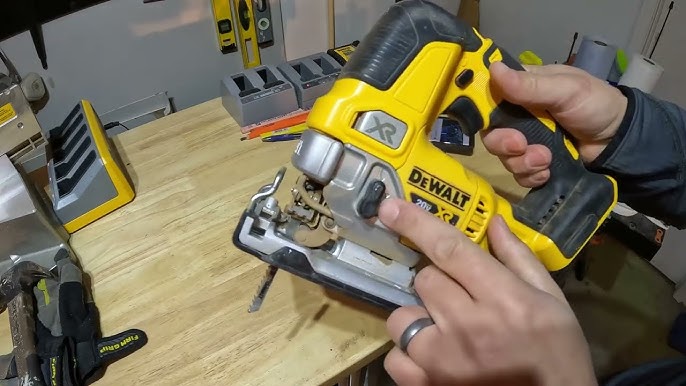
When should you replace the jigsaw?
A jigsaw may need a replacement clamp, service, or full replacement if the holder is badly worn. The right choice depends on the tool’s age, repair cost, and overall condition.
Service is often reasonable when:
• The motor runs well.
• The base is straight.
• The clamp is available as a replacement part.
• The tool has little other damage.
Replacement may make more sense when:
• The clamp and housing are cracked.
• The tool has excessive vibration.
• The power cord or battery system is damaged.
• The repair cost is close to a new tool.
• The tool has repeated electrical or mechanical faults.
Do not use tape, glue, wire, or makeshift shims to hold a blade in place. These fixes may fail without warning and can interfere with the blade’s movement.
How to prevent the problem
Good storage and simple checks can prevent a jigsaw blade keeps falling out issue. Keep blades dry and store them where the shanks will not bend. Do not leave blades loose in a toolbox under heavy tools.
Before each job:
• Check the blade for bends or cracks.
• Clean dust from the holder.
• Confirm the blade is fully locked.
• Make sure the base plate is stable.
• Choose a blade suited to the material.
• Plan curves before starting the cut.
Replace blades when they become dull. A sharp blade needs less force, produces less heat, and places less stress on the tool. This small habit protects both the blade holder and the quality of the cut.

Frequently Asked Questions About Jigsaw Blade Keeps Falling Out
Why does my jigsaw blade keep falling out during a cut?
The blade may not be fully locked, or the holder may be dirty or worn. A bent blade, wrong shank type, or excessive side pressure can also cause it to slip.
Can I use any jigsaw blade in my tool?
No. The blade shank must match the jigsaw holder. Check whether your tool accepts T-shank, U-shank, or another blade style before buying replacements.
Why does a new jigsaw blade keep falling out?
A new blade can still slip if it is the wrong type or not seated fully. If several new blades fail, inspect the clamp for wear, damage, or a weak locking spring.
Can sawdust cause a jigsaw blade to fall out?
Yes. Packed sawdust, resin, and chips can stop the shank from reaching the locking point. Disconnect the tool and clean the holder with a small brush before fitting another blade.
Is it safe to keep using a jigsaw if the blade falls out?
No. Stop using the tool until you find and fix the cause. A loose blade can break, damage the workpiece, or move toward your hands during operation.
Should I tighten the blade clamp as hard as possible?
No. Tighten a screw clamp firmly, but do not force it. Overtightening can strip threads or damage the holder, while a tool-free clamp should lock through its own mechanism.
How often should I replace a jigsaw blade?
Replace it when the teeth are dull, damaged, rusty, or when cutting requires unusual force. The correct replacement time depends on the material, cutting speed, and workload.
Conclusion
A jigsaw blade keeps falling out because the blade, holder, or cutting method is not working correctly together. Start by checking the shank type, fitting the blade fully, cleaning the clamp, and inspecting the blade for damage. Then use steady pressure and the right blade for the material.
If the problem continues with several good blades, the holder may be worn or damaged. Do not use a temporary fix; have the tool serviced or replace it when needed. Apply these checks before your next project, and share your jigsaw experience or questions in the comments.