Chainsaw Won’t Start: Quick Fixes That Work
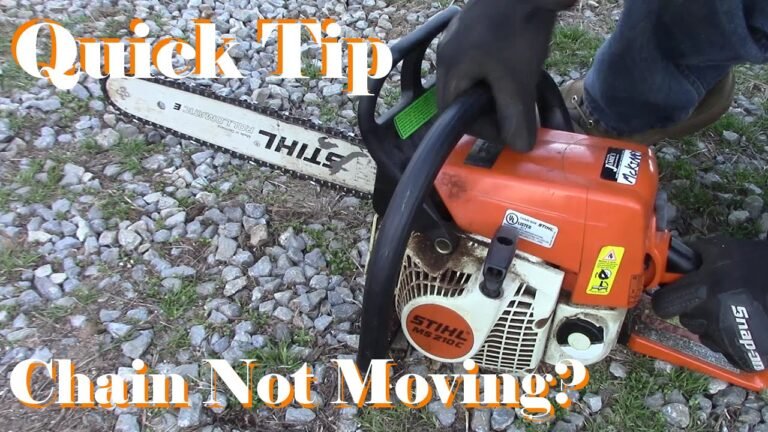
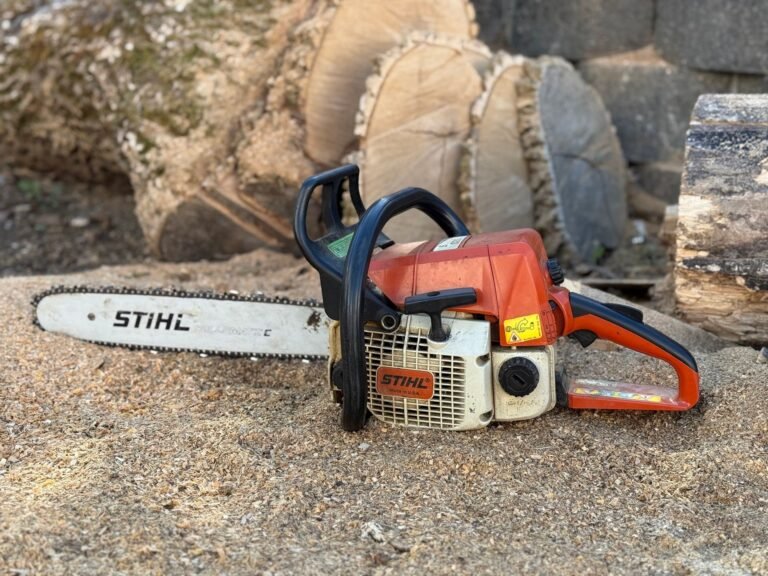
A chainsaw usually will not start because of stale fuel, a fouled spark plug, or a blocked air filter.
A chainsaw that will not start can turn a simple yard job into a frustrating puzzle. The good news is that most starting problems have clear causes and safe, practical fixes. This guide explains how to find the fault, what to check first, and when repair work should be left to a trained technician.
Safety First Before Troubleshooting a Chainsaw
Before you inspect a chainsaw, move it to a clear outdoor area. Keep the chain away from your body, and make sure the chain brake is engaged unless the starting step requires otherwise.
Never test a chainsaw in a garage, shed, or other closed space. Gas engines produce carbon monoxide, an invisible gas that can cause serious injury or death.
Follow these safety steps:
• Turn the ignition switch off before removing the spark plug or cleaning the chain area.
• Wear work gloves and eye protection.
• Keep fuel away from flames, sparks, cigarettes, and hot engine parts.
• Do not pull the starter rope while holding the saw near your face or legs.
• Let the engine cool before servicing it.
• Use the starting method shown in your owner’s manual.
A chainsaw is not like a lawn mower. It has a fast-moving chain, a high-speed engine, and strong starting force. Treat it with respect, even when the problem seems small.

Why Your Chainsaw Won’t Start
When a chainsaw will not start, the engine usually lacks one of three things: the right fuel mixture, a spark, or enough air. A fourth issue is often overlooked: the engine may be flooded with too much fuel.
Most gas chainsaws need these basic conditions:
• Fresh, correctly mixed fuel
• A working ignition system
• Clean air flow
• Proper engine compression
• Correct choke and throttle control
• A clear exhaust path
The best repair approach is to check the simple causes first. Do not begin by taking the whole engine apart. Start with fuel, controls, the spark plug, and the air filter.
In my experience helping with small engine problems, the most common mistake is repeated pulling. People pull the starter rope 20 or 30 times without checking the choke. That can flood the engine and make a small problem worse.

Check the Fuel First
Old or incorrect fuel is one of the main reasons a chainsaw will not start. Gasoline becomes less stable over time. It can lose the qualities needed for easy ignition and may leave sticky deposits in the carburetor.
Most two-stroke chainsaws use a gasoline and two-cycle oil mixture. The ratio may be 50:1, 40:1, or another blend, depending on the model. Always check the fuel cap, owner’s manual, or manufacturer label before adding fuel.
Use this fuel checklist:
• Confirm that fuel is in the tank.
• Check that the fuel is fresh.
• Verify the gasoline-to-oil ratio.
• Look for water, dirt, or cloudiness in the fuel.
• Check whether the fuel smells sour or varnish-like.
• Inspect the fuel filter and fuel line for cracks.
If the fuel is more than a few months old, replace it. Drain it into an approved fuel container and dispose of it according to local rules. Do not pour fuel onto soil or down a drain.
A useful habit is to mix only enough fuel for a short period. Store mixed fuel in a sealed, approved container. Fuel stabilizer can help, but it does not rescue fuel that is already badly degraded.

Use the Choke and Starting Controls Correctly
Incorrect starting controls can make a healthy chainsaw seem broken. A cold engine needs a richer fuel mixture, so it usually needs the choke. A warm engine often needs little or no choke.
For many gas chainsaws, the basic cold-start process is:
-
Put the chainsaw on firm, level ground.
-
Engage the chain brake.
-
Press the primer bulb several times if the model has one.
-
Move the choke control to the full-choke position.
-
Hold the saw down with one foot or a steady hand, as the manual shows.
-
Pull the starter rope until the engine gives a brief pop or tries to start.
-
Move the choke to the half-choke or run position.
-
Pull again until the engine starts.
-
Release the chain brake only when you are ready to cut.
Do not leave the choke fully closed after the engine briefly fires. This can flood the engine. If the chainsaw will not start after several pulls, stop and review the control positions instead of pulling harder.
Warm-start instructions vary. Some saws need the throttle lock, while others need the choke left open. The owner’s manual is the correct guide for your model.

Inspect the Spark Plug
A worn or fouled spark plug can stop ignition. The spark plug creates the small electrical spark that lights the fuel and air mixture inside the cylinder.
Remove the spark plug only after turning the ignition off and allowing the engine to cool. Inspect the plug for these signs:
• A wet tip may mean the engine is flooded.
• A black, sooty tip may point to a rich fuel mixture or a dirty air filter.
• A white or burned tip may suggest overheating or a lean mixture.
• A cracked ceramic insulator means the plug should be replaced.
• Heavy deposits can prevent a strong spark.
If the plug is wet, let it dry and allow excess fuel to evaporate from the engine. Keep all sparks and flames away during this step. Do not test the plug near spilled fuel.
Use the correct replacement plug and gap listed by the manufacturer. A plug that looks similar may still have the wrong heat range or reach.
A simple spark test tool is safer than holding the plug against the engine by hand. If you are not trained to test ignition systems, have a repair shop check it.

Check for a Flooded Engine
A flooded engine has too much fuel and not enough air. This often happens when the choke stays on too long or the starter rope is pulled many times.
Common signs include:
• A strong gasoline smell
• A wet spark plug
• A few brief pops followed by no start
• A starter rope that feels normal, but the engine does not run
To clear a flooded chainsaw, turn the ignition off and let the machine sit in a safe, ventilated place. Follow the manual’s procedure for clearing excess fuel. Many models require the choke to be off and the throttle to be held open while pulling the starter rope several times.
Do not keep adding fuel. That only deepens the problem. If the chainsaw still will not start after the fuel clears, inspect the spark plug and air filter.
One lesson worth remembering is simple: starting problems often come from rushing. Give the engine time to clear instead of forcing it through endless pulls.

Clean or Replace the Air Filter
The engine needs a steady supply of clean air. A clogged air filter restricts air flow and creates a fuel-rich mixture. The engine may start and stop, run poorly, or fail to start at all.
Remove the filter according to the owner’s manual. Do not use compressed air at high pressure if it can damage the filter material. Some foam filters can be washed and lightly oiled, while many paper or felt filters should be replaced.
Look for:
• Sawdust packed into the filter
• Oil or fuel saturation
• Tears or missing filter material
• A filter that has become hard or misshapen
A clean filter is not just a starting aid. It also protects the cylinder from abrasive dust. Fine sawdust can act like sandpaper inside an engine.
Clean the area around the filter before removing it. Otherwise, debris may fall into the intake. Never operate the chainsaw without its air filter installed.

Inspect the Fuel Line, Filter, and Carburetor
If the chainsaw will not start with fresh fuel and a good spark plug, the fuel delivery system may be blocked. Small engines use narrow fuel lines, so even a small crack or blockage can stop fuel flow.
Check for:
• Cracked or stiff fuel lines
• A loose fuel line connection
• A blocked in-tank fuel filter
• A damaged primer bulb
• Fuel leaking around the carburetor
• A stuck choke or throttle linkage
A primer bulb that never fills may indicate a fuel line, filter, or carburetor problem. A bulb that stays collapsed may also point to a blocked line or tank vent.
Carburetor cleaning can help, but adjustment is more delicate. The high-speed and low-speed mixture screws affect engine performance and exhaust temperature. Incorrect adjustment can damage the engine or create unsafe cutting behavior.
For that reason, do not turn carburetor screws at random. Use the manufacturer’s instructions or ask a qualified small-engine technician. Some newer chainsaws use limiter caps or electronic controls that require special procedures.
Check the Spark Arrestor and Exhaust
A blocked spark arrestor can prevent exhaust gases from leaving the engine. This may cause hard starting, low power, or an engine that starts and dies.
The spark arrestor is often a small screen near the muffler. It can become covered with carbon, especially when the engine runs with a rich mixture or poor fuel.
Let the engine cool fully before inspecting this area. Remove and clean the screen only as the manual allows. Replace it if it is damaged or badly clogged.
Never operate a chainsaw with a missing or damaged muffler or spark arrestor. These parts help control heat, noise, and sparks. A blocked exhaust can also signal a deeper fuel or engine problem.
Test for Compression Problems
Compression allows the fuel and air mixture to build pressure inside the cylinder. If compression is too low, the engine may not start even when fuel and spark are present.
Possible causes include:
• Worn piston rings
• A scored cylinder
• A damaged piston
• A leaking crankshaft seal
• A stuck or damaged decompression valve
• A cylinder that has lost its seal
A compression problem may make the starter rope feel unusually easy to pull. However, starter-rope feel is not a reliable test by itself. A compression gauge gives a better answer, but readings vary by engine design and temperature.
If you suspect low compression, stop replacing small parts at random. Internal engine repair can require special tools and detailed knowledge. A professional can perform a compression test and leak-down test to identify the cause.
Battery Chainsaw Troubleshooting
A battery chainsaw has different starting problems. It does not use gasoline, a carburetor, or a spark plug, but it still needs a charged battery and a working safety system.
If a battery chainsaw will not start, check these items:
• Charge the battery fully.
• Confirm that the battery is seated correctly.
• Inspect the battery contacts for dirt or damage.
• Make sure the chain brake is released if the model requires that position.
• Press the safety lock before squeezing the trigger.
• Check for overheating protection or an error light.
• Test with a compatible battery if one is available.
Do not use a damaged, swollen, wet, or overheated battery. Lithium-ion batteries should be charged with the correct charger and kept away from extreme heat.
Some cordless models stop working when the chain is jammed or the motor is overloaded. Remove the battery before clearing the chain. Never use your hand to check whether the chain can move freely.
When a Chainsaw Starts Then Stops
A chainsaw that starts and dies has a different pattern from one that never fires. It may have enough fuel to start but not enough fuel or air to keep running.
Common causes include:
• A dirty air filter
• A blocked fuel filter
• A plugged tank vent
• An incorrect carburetor setting
• Stale fuel
• A dirty spark arrestor
• An engine that is overheating
If the chainsaw runs for a few seconds and stops when you open the throttle, the fuel mixture or fuel delivery may be wrong. If it runs with the choke partly closed but dies when the choke opens, the engine may be getting too much air or too little fuel.
Do not continue cutting with a saw that repeatedly stalls. Stalling can leave you in an awkward position with the chain still moving or the saw difficult to control. Find the cause before returning to work.
A Simple Diagnostic Order
Use this order when a chainsaw will not start:
-
Read the starting instructions for your model.
-
Check the fuel type, fuel age, and mixture ratio.
-
Confirm the ignition switch, chain brake, choke, and throttle settings.
-
Look for a flooded engine.
-
Inspect the spark plug.
-
Clean or replace the air filter.
-
Check the fuel line, fuel filter, and primer bulb.
-
Inspect the spark arrestor and muffler.
-
Test compression if the basic checks do not help.
This order saves time because it begins with quick checks. It also reduces the chance of damaging a working part while searching for the real fault.
Write down what you find. For example, note whether the plug is wet, whether fuel reaches the primer bulb, and whether the engine pops. These details help a technician diagnose the chainsaw faster.
Mistakes to Avoid
A chainsaw will not start more easily just because you pull the starter rope with greater force. Hard pulls can damage the rope, recoil spring, or starter assembly.
Avoid these common mistakes:
• Using straight gasoline in a two-stroke engine
• Guessing the oil mixture
• Leaving the choke on after the engine fires
• Pouring fuel directly into the air intake
• Running the engine without an air filter
• Adjusting carburetor screws without instructions
• Testing for spark near fuel vapors
• Ignoring a fuel leak
• Using a damaged battery
• Continuing to use a saw that stalls or overheats
Manufacturer manuals, workplace safety guidance, and forestry safety research all stress the same point: maintenance and safe handling reduce injury risk. A starting problem is never a reason to bypass the chain brake, guards, or protective equipment.
When to Call a Professional
Some repairs are reasonable for a careful owner. Replacing a spark plug, changing stale fuel, and cleaning an air filter are usually simple when the manual supports them.
Call a qualified technician if:
• The chainsaw has no spark after basic checks.
• Fuel leaks from the tank or carburetor.
• The engine has low compression.
• The starter rope will not retract.
• The crankshaft or clutch makes a grinding sound.
• The saw overheats or smokes.
• The carburetor needs adjustment.
• The machine has electronic ignition or computerized controls.
• You are unsure how to test the system safely.
Repair costs depend on the model, age, parts, and labor. A basic service may be worthwhile for a quality saw, while an old entry-level model may cost more to repair than replace. Ask for a written estimate before approving major work.
How to Prevent Starting Problems
Preventive care is easier than troubleshooting a chainsaw that will not start. The best routine is short and consistent.
After each use:
• Brush sawdust from the cover, bar, and cooling vents.
• Check the chain brake and chain tension.
• Inspect the fuel system for leaks.
• Store the saw in a dry place.
Before long-term storage:
• Follow the manual’s fuel-storage instructions.
• Clean the air filter.
• Inspect the spark plug.
• Protect the guide bar and chain.
• Keep batteries cool, dry, and partly charged if the manual recommends it.
Use fresh fuel and the correct two-cycle oil. Replace fuel filters and spark plugs at the intervals listed by the manufacturer. Clean cooling fins because packed sawdust can cause heat buildup.
A few minutes of care can prevent a long afternoon of pulling a starter rope. That is one of the most useful habits I have learned from small engine maintenance.
Frequently Asked Questions About a Chainsaw Won’t Start
Why will my chainsaw not start after sitting?
Old fuel may have lost its ability to ignite or may have clogged the carburetor. Drain the old fuel, add the correct fresh mixture, and inspect the spark plug and fuel filter.
How do I know if my chainsaw is flooded?
A strong fuel smell and a wet spark plug are common signs of flooding. Turn the choke off, allow excess fuel to clear in a safe outdoor area, and follow the model’s flood-clearing steps.
Can a bad spark plug stop a chainsaw from starting?
Yes. A fouled, cracked, worn, or incorrectly gapped spark plug may not create a strong spark. Replace it with the exact type and gap listed in the owner’s manual.
Why does my chainsaw start and then die?
This often points to restricted fuel flow, a dirty air filter, a blocked exhaust screen, stale fuel, or an incorrect carburetor setting. Stop using the saw until you identify the cause.
How often should I replace chainsaw fuel?
Use fresh mixed fuel and follow the fuel manufacturer’s storage guidance. If fuel smells stale, looks cloudy, or has been stored for a long time, replace it rather than risking carburetor problems.
Why will my battery chainsaw not start?
Check the battery charge, battery connection, chain brake position, safety lock, and trigger. Also inspect the battery for damage and check whether the saw has entered overload or thermal protection.
Conclusion
When a chainsaw will not start, begin with the basics: fresh fuel, correct controls, a clean spark plug, good air flow, and an unclogged fuel system. A flooded engine, blocked exhaust, weak spark, or low compression can also be responsible.
Work slowly and safely. Avoid random carburetor adjustments, repeated forceful pulls, and unsafe spark tests. If basic checks do not solve the problem, a qualified technician can test fuel delivery, ignition, and compression with the right tools.
Use this guide the next time your chainsaw will not start, and keep your owner’s manual nearby. Share your symptoms or repair experience in the comments, and explore more chainsaw maintenance guides before your next cutting job.