Nail Gun Leaking Air: Fast Fix Guide
A nail gun leaking air usually has a worn seal, loose fitting, or damaged valve.
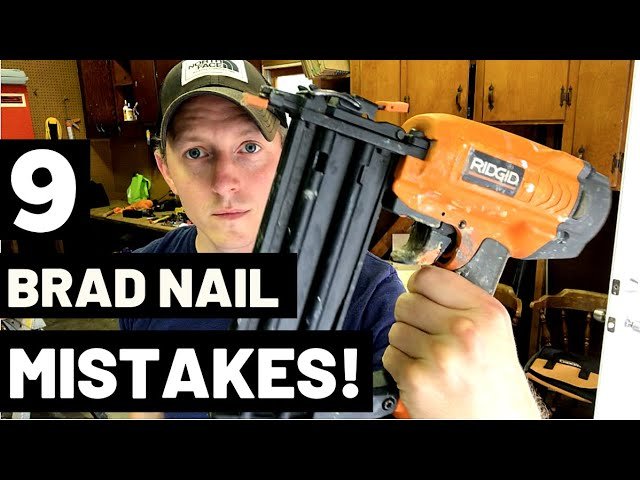
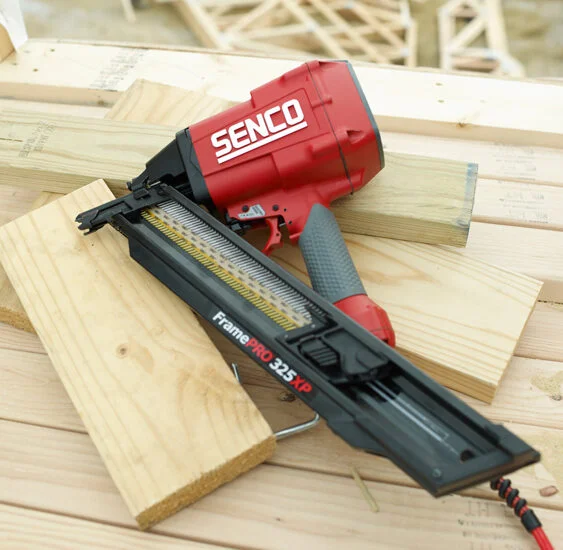
If you have ever heard that steady hiss coming from a nailer, you already know how annoying nail gun leaking air can be. I have dealt with that exact problem on framing guns, finish nailers, and brad nailers, and the fix is often simpler than it sounds once you know where to look. This guide walks you through the real causes, practical fixes, and the warning signs that help you stop nail gun leaking air before it turns into a bigger repair.
What nail gun leaking air means
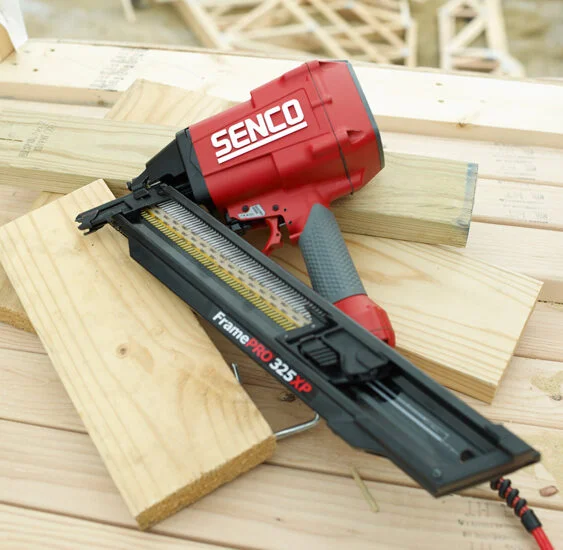
Nail gun leaking air means compressed air is escaping from the tool when it should be sealed. In plain terms, your nail gun is losing pressure somewhere in the body, trigger, hose connection, or internal seals. That leak can make the tool weak, inconsistent, or unusable.
A small leak may sound harmless, but it can affect performance fast. It can also make your compressor cycle more often, which wastes air and wears parts faster. When I first ran into nail gun leaking air on a finish nailer, the tool still fired, but it felt lazy and unreliable, like a tire with a slow puncture.
Common causes of nail gun leaking air
Nail gun leaking air can come from several places, and the sound often points you in the right direction. A leak near the handle usually means an O-ring or valve issue. A leak at the nose or exhaust often points to a seal, piston, or driver problem.
Here are the most common causes:
- Worn O-rings: These rubber seals dry out, crack, or flatten over time.
- Loose fittings: Hose couplers, threaded connections, or inlet nipples can leak if not tight.
- Damaged trigger valve: The trigger valve can wear out and let air escape.
- Head valve issues: A bad head valve can leak air from the top of the tool.
- Bad seals in the cylinder or piston: Internal wear can create constant pressure loss.
- Dirt or debris: Dust and oil residue can stop parts from seating correctly.
- Cracked housing: A dropped tool can develop tiny cracks that leak under pressure.
From experience, the most common fix is not some major internal failure. It is usually a seal issue, a fitting problem, or a tool that has gone too long without basic maintenance.

Source: youtube.com
How to find where the air leak is coming from
The first step in fixing nail gun leaking air is locating the leak. Air follows the easiest path out, so the sound is your best clue. A careful check usually saves time and keeps you from replacing parts you do not need.
Try this simple process:
- Disconnect the air supply before touching the tool.
- Inspect the hose connection and coupler for loose fit or damaged threads.
- Reconnect air and listen closely to the inlet area, trigger, handle, and nose.
- Spray soapy water on suspected spots and look for bubbles.
- Fire the tool a few times if it is safe to do so and note when the leak happens.
If the leak happens only when the tool is not firing, the head valve or trigger valve may be the problem. If it leaks only while firing, the piston seals or driver assembly may be involved. That little difference matters more than most people think.
Fixes for nail gun leaking air
The right fix depends on where the leak is and how bad it is. Some repairs take five minutes. Others need a rebuild kit and a little patience. The good news is that many nail gun leaking air problems are very repairable.
Tighten and inspect the air connection
Start with the simplest fix first. Check the hose coupler, inlet fitting, and any threaded connection for looseness. If the fitting is worn or the threads are damaged, replace it instead of forcing it tighter.
A tiny inlet leak can sound worse than it is, especially in a quiet shop. I have seen people tear apart a tool for an hour when the real problem was a worn quick-connect fitting.
Replace worn O-rings and seals
O-rings are one of the biggest reasons for nail gun leaking air. These parts dry out over time, especially if the tool sits unused or runs without enough pneumatic tool oil. If the leak is coming from the handle or top cap, a seal kit often solves it.
When replacing seals:
- Match the exact model of the nail gun.
- Clean all mating surfaces before reassembly.
- Apply the correct pneumatic oil or approved lubricant.
- Do not stretch the O-rings too much during installation.
A sloppy seal job can cause the same leak all over again. Slow, clean work usually beats rushing.
Clean the trigger valve
If air leaks around the trigger area, the trigger valve may be dirty or worn. Debris can stop it from seating fully. In many cases, cleaning the valve and replacing small internal seals restores normal function.
Be gentle during this repair. Plastic parts and small springs can be easy to damage if you pry too hard. If the trigger valve body is cracked, replacement is the safer choice.
Service the head valve and cylinder
A leak from the top of the tool often points to the head valve or cylinder seals. This is more common in older guns or tools that have seen heavy use. A rebuild kit may include the parts you need.
Useful steps include:
- Remove old grease, dust, and oil sludge.
- Inspect the cylinder for scratches or wear marks.
- Check the piston for chips, swelling, or broken rings.
- Replace damaged seals before reassembly.
I once had a framing nailer that kept hissing from the top cap. The cylinder looked fine at first glance, but one worn seal had turned the whole tool into a pressure sponge.
Replace cracked or damaged parts
Sometimes nail gun leaking air is caused by physical damage. A dropped tool can crack the housing, split a valve body, or bend an internal component. If the tool leaks after a fall or hard impact, inspect it carefully.
If the housing is cracked, repair may not be worth it. In that case, replacement parts or a new tool can be the smarter long-term choice.
When a leak means the tool needs a rebuild
Not every leak needs a full rebuild, but some do. If you keep replacing small parts and the leak returns, the tool may have multiple worn areas. That is common in older nail guns that have fired thousands of nails.
A rebuild makes sense when:
- The leak happens in more than one place
- The tool loses power even after new seals
- The piston feels sluggish or sticks
- Air escapes from the exhaust continuously
- The tool has a long service history with little maintenance
This is where a realistic repair mindset helps. I like to ask one simple question: is the cost of parts and time worth more than the tool’s remaining life? That question saves money and frustration.
How to prevent nail gun leaking air
Prevention is easier than repair. A few habits can dramatically reduce nail gun leaking air and keep your tool working better for longer. Most of these steps are simple, but they make a real difference.
Use these maintenance habits:
- Add pneumatic tool oil regularly if your tool needs it.
- Drain compressor moisture often to prevent corrosion.
- Store nail guns in a dry place.
- Keep air lines clean and free of grit.
- Use the correct air pressure for the tool.
- Check fittings before each job.
- Clean the tool after dusty or wet work.
The biggest mistake I see is neglect. People use a nailer for months, never oil it, never drain the compressor, then act surprised when nail gun leaking air starts. Pneumatic tools last much longer when they are treated like precision tools instead of disposable ones.
Safety tips before you repair a leaking nail gun
Compressed air tools can be dangerous if you rush. Before working on nail gun leaking air, always disconnect the air supply and remove any nails from the magazine. Even a small accidental discharge can cause injury.
Keep these safety basics in mind:
- Wear safety glasses during inspection and repair.
- Release all stored air before opening the tool.
- Never point the nail gun at yourself or anyone else.
- Follow the manufacturer’s service instructions for your model.
- Replace damaged safety parts instead of improvising a fix.
This is one area where caution really matters. A leak is annoying, but a careless repair can be far worse.
When to repair and when to replace
If nail gun leaking air is small and isolated, repair is often the best move. If the tool is older, heavily worn, or cracked, replacement may be the smarter call. A good rule is to compare repair cost, parts availability, and how often you rely on the tool.
Repair is usually worth it when:
- The tool is newer
- Parts are easy to find
- The leak is clearly from seals or fittings
- The tool still has good power and accuracy
Replacement may be better when:
- The housing is cracked
- Multiple internal parts are worn
- Repair costs approach the price of a new nailer
- The model is discontinued and parts are hard to get
I have repaired tools that came back stronger than before. I have also spent too long on a worn-out nailer that should have been retired. Experience teaches you to be honest about the tool’s condition.
Frequently Asked Questions of Nail gun leaking air
Why is my nail gun leaking air when not in use?
This usually means air is escaping from the head valve, trigger valve, or a worn internal seal. If the leak is constant, the tool likely has a seal that no longer holds pressure.
Can I still use a nail gun that is leaking air?
You can sometimes use it if the leak is minor, but it is not ideal. A leaking tool loses efficiency, stresses the compressor, and may get worse over time.
What is the most common fix for nail gun leaking air?
The most common fix is replacing worn O-rings or seals. Loose fittings and bad couplers are also very common and should be checked first.
Why does my nail gun leak air from the nose?
A nose leak often points to the piston, driver, or lower seals inside the tool. Dirt buildup or worn internal parts are usually the cause.
How do I know if the trigger valve is bad?
If air leaks near the trigger area even when you are not firing, the trigger valve may be worn or dirty. If cleaning does not help, the valve may need replacement.
Conclusion
Nail gun leaking air is usually a sign of a worn seal, loose fitting, or internal valve problem, not a dead tool. In many cases, a careful inspection, a few replacement parts, and basic maintenance are enough to bring it back to life.
The best approach is simple: listen closely, check the easy fixes first, and do not ignore small leaks. If you take care of the problem early, you save air, protect your compressor, and keep your nail gun working the way it should. If this guide helped, share it, bookmark it for later, or leave a comment with the leak you are troubleshooting.