Pancake Air Compressor Not Working: Easy Fixes
A pancake air compressor often stops working because of power, pressure, overheating, or a failed motor component.
When your pancake air compressor is not working, the cause may be simple, such as a tripped breaker or closed valve. It may also point to a worn pressure switch, bad capacitor, clogged air filter, or motor fault. This guide explains how to find the problem safely, test the main parts, and know when repair is better than replacement.
Start with safety
Before troubleshooting a pancake air compressor not working, unplug it from the wall. Release all air from the tank and never remove a part while the tank is pressurized.
Compressed air stores a great deal of energy. A loose fitting or damaged tank can cause serious injury. Follow these safety steps:
• Turn the power switch off.
• Unplug the compressor.
• Open the drain valve to release tank pressure.
• Wear safety glasses.
• Keep hands away from moving parts.
• Do not bypass the pressure switch or thermal overload.
• Stop if you smell burning insulation or see melted wiring.
The tank is the most important safety concern. If you see rust pits, bulges, cracks, or a leaking weld, do not use the compressor. A damaged tank should be replaced, not patched.
Why is my pancake air compressor not working?
A pancake air compressor not working usually has one of six common problems:
• No electrical power reaches the motor.
• The thermal overload protector has tripped.
• The pressure switch is not closing.
• The motor capacitor has failed.
• The pump is locked or mechanically damaged.
• The compressor starts but cannot build air pressure.
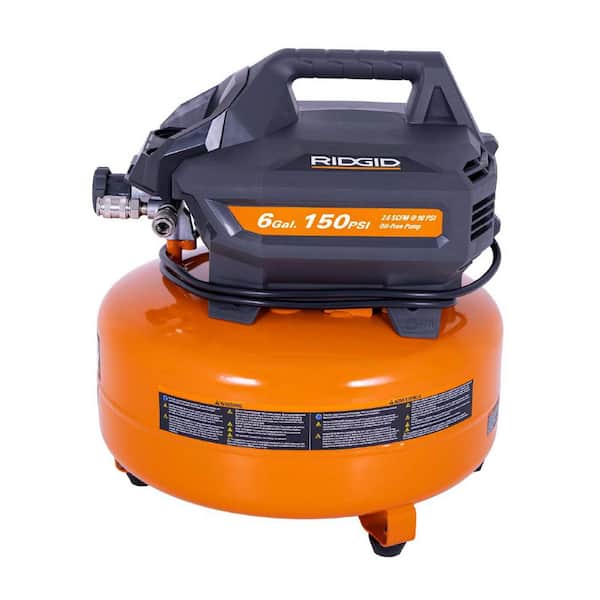
A compressor can also seem dead when the tank is already full. Many pancake models use an automatic pressure switch. This switch turns the motor off at the cutout pressure and starts it again after pressure drops.
For example, a unit set to stop near 150 PSI may not restart until tank pressure falls to its cut-in point. If the compressor is full, this behavior is normal.
In my repair work, I have often found that owners replace parts too soon. A loose extension cord or a blocked air filter can look like a major motor failure. A short inspection can prevent an unnecessary repair bill.

Check the power supply first
When a pancake air compressor is not working at all, begin with the outlet. Plug a lamp or another small tool into the same outlet to confirm that it has power.
Then inspect the compressor cord and plug. Look for cuts, bent prongs, burn marks, or a loose connection. Do not use the compressor if the cord feels hot or shows damage.
Check the circuit breaker and ground fault circuit interrupter. A compressor motor draws a high starting current, especially when the pump begins against pressure. A weak circuit or shared outlet may trip during startup.
Use this quick checklist:
-
Test the wall outlet.
-
Reset the breaker once.
-
Reset the GFCI if the outlet has one.
-
Plug the compressor directly into the wall.
-
Avoid a long or light-duty extension cord.
-
Check the power switch for damage.
Most manufacturers advise using the correct voltage and a properly rated circuit. The voltage shown on the compressor label must match the supply voltage. Never remove the grounding pin from the plug.
Reset an overheated compressor
Heat is a common reason for a pancake air compressor not working after a long job. The motor may have an internal thermal protector. This device shuts off power when the motor becomes too hot.
Turn off and unplug the compressor. Let it cool for at least 20 to 30 minutes. Keep it in a clean, open area while it cools.
Do not cover the motor housing. Do not place the unit close to a wall, heater, or direct sunlight. Air must flow around the motor and pump.
After cooling, try the compressor again. If it runs briefly and stops, check for:
• A dirty air filter.
• Low supply voltage.
• Excessive tank pressure.
• A blocked cooling opening.
• A worn pump.
• A failed motor capacitor.
Repeated overheating is not normal. The thermal protector is warning you about a deeper problem. Continuing to reset it can damage the motor windings.

Inspect the pressure switch and unloader valve
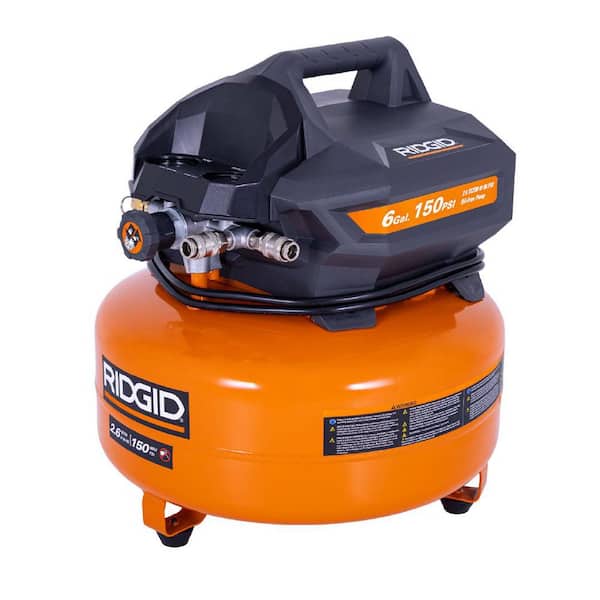
The pressure switch controls when the motor starts and stops. It also works with a small unloader valve. This valve releases trapped air from the pump discharge tube when the motor stops.
A pancake air compressor not working after the tank empties may have a pressure switch problem. Listen for a click when the switch moves from “off” to “on.” Do not touch live electrical terminals while testing it.
The unloader valve may be faulty if the motor hums, struggles, or trips the breaker each time it starts. A short burst of air after shutdown is normal. A constant leak from the unloader tube is not.
Signs of a pressure switch or unloader issue include:
• The motor will not start when tank pressure is low.
• The motor starts only after you move the switch.
• Air leaks continuously near the pressure switch.
• The motor trips the breaker when restarting.
• The compressor starts easily with an empty tank but not a full tank.
Pressure switches contain electrical contacts and may be difficult to adjust. Replace the switch with the correct model when possible. Never bypass it as a permanent fix.
Diagnose a compressor that hums but will not start
A humming sound often means the motor receives power but cannot turn. The starting capacitor may be weak or failed. A tight pump, damaged bearing, or low voltage can cause the same symptom.
Unplug the compressor before inspecting anything. With the tank empty, check whether the pump pulley or fan turns freely if the design allows safe access. Never place fingers near the belt, fan, or pulley while power is connected.
A failed capacitor may show:
• A swollen case.
• Oil leaking from the capacitor.
• A burnt smell.
• Humming without rotation.
• A breaker that trips during startup.
Capacitors can hold an electrical charge even after the compressor is unplugged. Do not test or replace one unless you know how to discharge it safely. Match the replacement capacitor’s voltage, capacitance, and terminal layout.
If the pump is seized, the compressor may need a pump rebuild or complete replacement. For a small pancake unit, a new compressor may cost less than professional motor repair.

Fix a compressor that runs but will not build pressure
Sometimes a pancake air compressor not working means it runs but produces little or no air. This points to an air leak, valve problem, worn piston seal, or damaged check valve.
Start with a simple leak test. Fill the tank, unplug the unit, and listen closely. Apply soapy water to fittings, the drain valve, the pressure switch connection, and the hose outlet. Growing bubbles show a leak.
Check these areas:
• Tank drain valve.
• Quick-connect fitting.
• Air hose.
• Pressure regulator.
• Check valve.
• Pump head gasket.
• Air filter housing.
• Safety relief valve.
A faulty check valve may allow tank air to flow back into the pump. The motor may then struggle to restart. A worn piston seal may let air pass inside the pump instead of into the tank.
A dirty intake filter can also reduce output. Remove and clean or replace the filter according to the manual. Never operate the compressor without its filter in a dusty workshop.

Use pressure readings to find the fault
A pressure gauge can help separate an air leak from a pump problem. Watch the tank gauge while the compressor runs.
If pressure rises steadily but slowly, inspect for leaks and a dirty filter. If pressure rises to a point and stops, the pump may have a leaking valve or gasket. If the gauge does not move at all, the pump may not be compressing air.
Compare the result with the compressor’s rated airflow. A small pancake compressor may have a high peak horsepower claim but a much lower working airflow. The useful figure is usually CFM at a stated PSI.
This matters when using tools. A nail gun may work well with a small tank, while a die grinder or spray gun may need more continuous airflow. The compressor may be working correctly but simply too small for the tool.
Check the tank drain and air filter
Two basic maintenance parts can cause a pancake air compressor not working correctly: the tank drain and the intake filter.
Drain the tank after each use, especially in humid areas. Water collects inside the tank as compressed air cools. Over time, moisture can cause internal corrosion.
Open the drain valve slowly with the tank empty or at very low pressure. If the valve is clogged, clean or replace it. Do not force a rusty valve with excessive pressure.
Inspect the air filter regularly. A clogged filter makes the pump work harder and reduces airflow. Replace disposable filters when they look dirty or when the manual recommends it.
Good habits include:
• Draining the tank after use.
• Keeping the compressor dry.
• Cleaning the cooling vents.
• Checking fittings for leaks.
• Using the correct oil only on oil-lubricated models.
• Avoiding operation on soft ground or in heavy dust.
In one common shop situation, a compressor seemed weak because its drain valve had been left partly open. The motor ran normally, but air escaped as quickly as it was produced. Small details often explain a pancake air compressor not working.
When to replace instead of repair
Repair makes sense when the problem is a cord, switch, fitting, drain valve, air filter, or hose. These parts are usually inexpensive and easy to find.
Replacement may be safer when the tank is damaged or the motor and pump both show serious wear. A small pancake compressor often has limited repair value because labor can exceed the cost of a new unit.
Consider replacement if:
• The tank has deep rust or a bulge.
• The motor repeatedly overheats.
• The pump is seized.
• Replacement parts are unavailable.
• The compressor cannot reach its rated pressure.
• The repair cost is close to a new compressor.
Choose a replacement based on working CFM, maximum PSI, tank size, noise level, voltage, and duty cycle. Do not choose only by peak horsepower. Real airflow and correct electrical requirements matter more.
A simple troubleshooting order
Use this order when a pancake air compressor not working leaves you unsure where to begin:
-
Confirm the outlet has power.
-
Check the plug, cord, switch, breaker, and GFCI.
-
Unplug the unit and let it cool.
-
Drain the tank.
-
Try starting it with an empty tank.
-
Listen for humming, clicking, or air leaks.
-
Inspect the filter, drain valve, hose, and fittings.
-
Test for leaks with soapy water.
-
Check whether the pump builds pressure.
-
Stop and seek service if the tank or motor appears unsafe.
This order moves from simple causes to complex causes. It also reduces the risk of replacing a good part.
Common mistakes to avoid
A pancake air compressor not working can become more damaged when troubleshooting is rushed. Avoid these common mistakes:
• Do not keep resetting a tripped breaker.
• Do not use an underrated extension cord.
• Do not bypass the pressure switch.
• Do not open the pump head while the tank is pressurized.
• Do not use an air compressor with a damaged tank.
• Do not install a random capacitor.
• Do not spray water into the motor.
• Do not ignore a burning smell.
• Do not assume a loud noise is harmless.
Always use the model’s service instructions for wire locations, torque values, replacement parts, and pressure settings. Product designs differ, so a repair method that works on one model may not work on another.
Frequently Asked Questions About a Pancake Air Compressor Not Working
Why does my pancake air compressor have power but not start?
The motor may be overheated, the pressure switch may be open, or the starting capacitor may have failed. Let the unit cool, drain the tank, and check whether it starts with no tank pressure.
Why does my pancake air compressor hum but not run?
A humming motor often indicates a weak capacitor, low voltage, or a seized pump. Unplug the unit and have the capacitor and pump checked safely.
Why does my pancake air compressor keep tripping the breaker?
A clogged filter, long extension cord, low voltage, locked pump, or failing motor can cause high current draw. Use the correct wall outlet and stop using the compressor if the breaker trips repeatedly.
Why does my pancake air compressor run but make no pressure?
The cause may be an open drain valve, air leak, damaged check valve, leaking pump gasket, or worn piston seal. Use soapy water to find external leaks, then inspect the pump if pressure still does not rise.
How long should I let an overheated compressor cool?
Let it cool for at least 20 to 30 minutes in a well-ventilated space. If it overheats again soon after restarting, stop using it and inspect the motor, filter, voltage supply, and pump.
Is it safe to use a pancake compressor with a rusty tank?
Light surface rust may not mean immediate failure, but deep rust, pits, cracks, or bulges make the tank unsafe. Replace the compressor if the tank’s structural condition is in doubt.
Conclusion
A pancake air compressor not working is often caused by a simple power issue, heat, a clogged filter, an air leak, or a pressure switch fault. Start with the outlet, cord, breaker, cooling time, and tank pressure before testing complex parts.
Work slowly, release pressure first, and never ignore tank damage or burning odors. Follow the troubleshooting steps above, compare airflow with your tool’s needs, and replace the unit when repair is unsafe or uneconomical. Share your compressor model and symptoms in the comments, or explore more equipment care guides for practical workshop advice.