Air Compressor Keeps Cycling: Causes And Easy Fixes
An air compressor keeps cycling when it loses pressure, has a leak, or cannot reach its cut-out pressure.
An air compressor keeps cycling for a reason, and that reason is often easy to find with a careful check. A worn pressure switch, blocked filter, loose fitting, faulty check valve, or undersized compressor can make the motor start and stop too often. This guide explains how to find the cause, protect your equipment, and know when to call a professional.
What “air compressor keeps cycling” really means
An air compressor cycles when its motor starts at the cut-in pressure and stops at the cut-out pressure. For example, a small shop compressor may start near 90 PSI and stop near 120 PSI. These settings vary by model, so check the data plate or owner’s manual before changing them.
Normal cycling depends on air use. A nail gun, impact wrench, spray gun, or air blow gun can use air faster than the tank can store it. In that case, the compressor may run often without having a fault.
The problem starts when an air compressor keeps cycling while no tools are running. Short cycles can waste power, create extra heat, and wear the motor, pressure switch, and pump. It is like making a car start every few minutes just to move it one foot.
A healthy compressor should build pressure, stop, hold that pressure, and remain off until air use lowers the tank pressure. If the tank pressure falls on its own, the system has a leak or a faulty internal part.
Is frequent cycling normal?
Some cycling is normal during heavy air use. A compressor that powers a spray gun may run for long periods, while a compressor used for a small brad nailer may run only once every few minutes.
The key question is whether the compressor cycles because you are using air or because the system is losing air. Turn off all connected tools and close the outlet valve. Watch the tank gauge for 10 to 15 minutes.
If the pressure stays nearly steady, the compressor may simply be matching normal demand. If the pressure drops and the motor starts again, an air leak or check valve problem is more likely.
An air compressor keeps cycling too often when the time between cycles becomes very short. A few seconds of run time followed by a quick stop is known as short cycling. This pattern deserves attention because it can overheat the motor and reduce the life of the pump.

Common reasons an air compressor keeps cycling
Air leaks in the system
Air leaks are the most common cause of unwanted cycling. Even a small leak can empty a tank over time, especially when the compressor is connected to long hoses or fixed air lines.
Check these points first:
• Hose fittings and quick-connect couplers
• Regulator connections
• Drain valve under the tank
• Pressure gauge threads
• Safety valve
• Air tool connections
• Pipe joints and manifold fittings
• Flexible lines near the compressor outlet
Apply a small amount of soapy water to each connection. Bubbles show where air is escaping. Never use an open flame to search for a leak.
A leak at the tank drain is easy to miss. The valve may look closed but still allow a soft hiss. Drain valves can collect rust, dirt, or moisture, so clean or replace them when needed.
A worn or damaged check valve
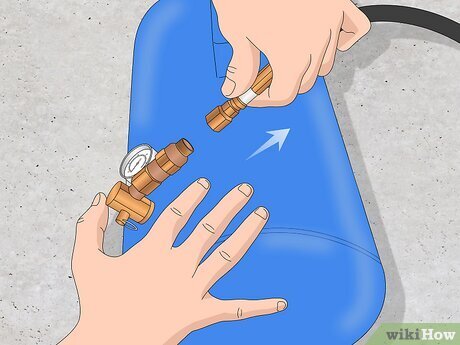
The tank check valve allows air to enter the tank but prevents air from flowing back toward the pump. If it leaks, tank air can move backward through the discharge tube.
This may cause an air compressor to keep cycling even when no air tools are connected. You may hear a steady hiss near the pump head or notice that the motor starts again soon after stopping.
Disconnect electrical power and fully release tank pressure before inspecting this part. A faulty check valve is often inexpensive, but installation should follow the manufacturer’s instructions.
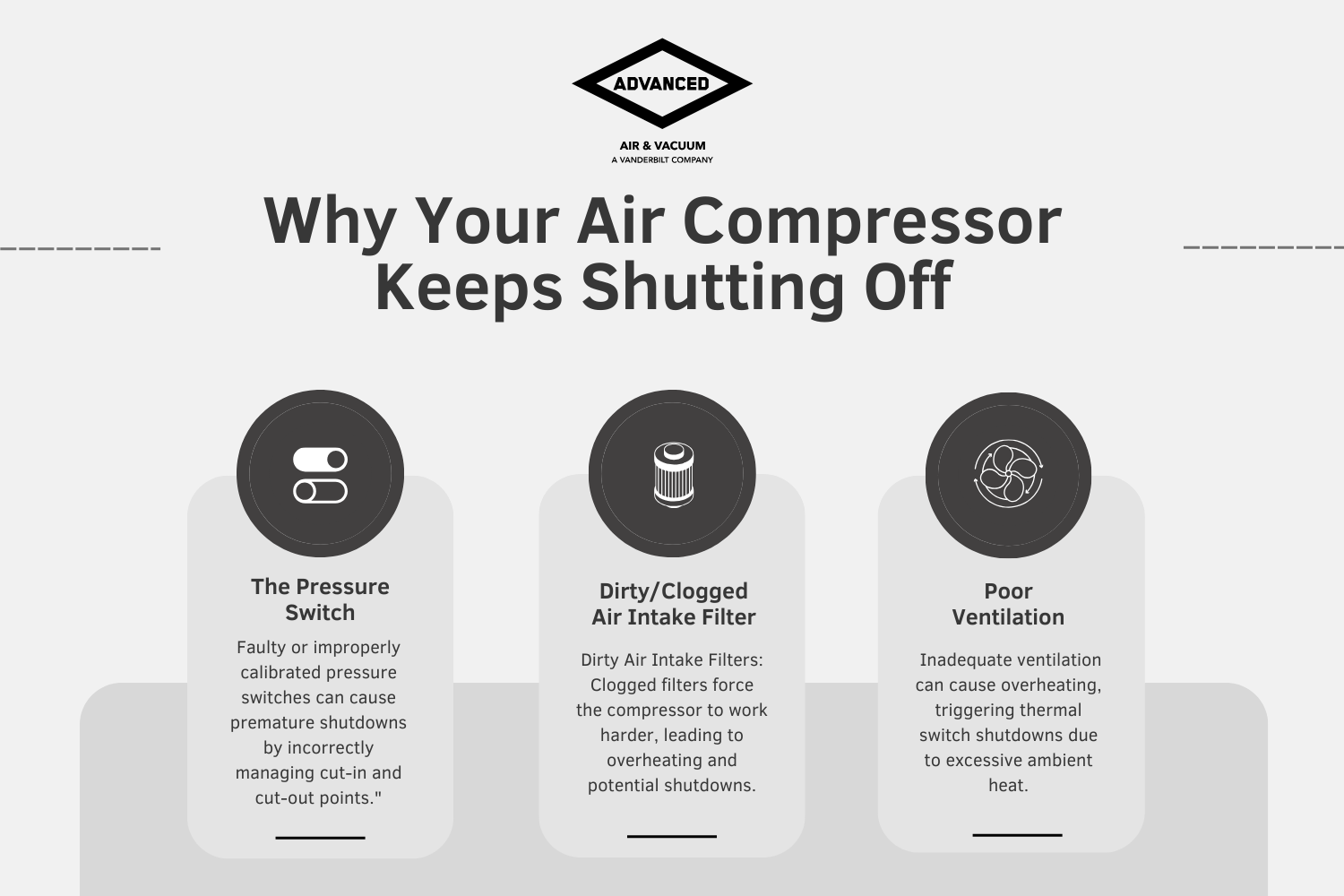
A faulty pressure switch
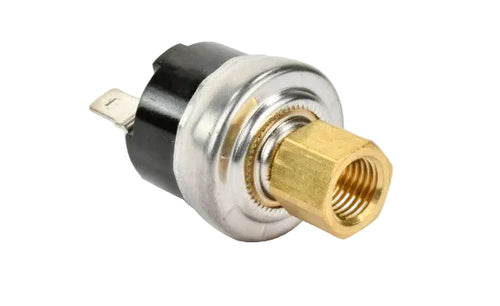
The pressure switch controls when the motor starts and stops. Dirt, worn contacts, a blocked sensing port, or damaged internal parts can cause unstable pressure readings.
A bad switch may cause:
• The motor to start and stop within seconds
• The compressor to run past its normal cut-out pressure
• The motor to fail to start at the cut-in pressure
• Pressure readings that do not match the gauge
• Burn marks or clicking inside the switch
Do not adjust the pressure switch unless you understand the compressor’s electrical and pressure limits. The switch is a safety control, not just a simple on-and-off button.
A clogged air filter
The pump needs a steady supply of clean air. A clogged intake filter restricts airflow and makes the compressor work harder. The pump may then take too long to reach cut-out pressure or fail to reach it at all.
Remove and inspect the intake filter according to the manual. Some filters can be cleaned, while others must be replaced. Do not operate the compressor for long without its filter, since dirt can damage the pump.
A damaged reed valve or valve plate
Many reciprocating compressors use reed valves to control air flow into and out of the cylinder. A broken reed, dirty valve plate, or damaged gasket can reduce output.
Common signs include:
• Slow tank filling
• Air blowing from the intake filter
• Excessive heat
• Low pressure at the tool
• Long run times
• An air compressor that keeps cycling under light demand
This repair often requires removing the pump head. Take photos before disassembly and use the correct replacement gasket. A small valve problem can look like a much larger motor problem.
A compressor that is too small
A compressor may cycle often because the air tool needs more airflow than the pump can produce. Tool ratings are usually listed in cubic feet per minute, or CFM, at a stated pressure.
For reliable use, compare the tool’s required CFM with the compressor’s delivered CFM, not only its advertised peak rating. A compressor with a small tank may also cycle more often because it has less stored air.
For example, a framing nailer may work well with a compact compressor, while a continuous-use die grinder may need a larger unit. Choosing equipment by horsepower alone can lead to poor results.
A blocked or restricted air line
A crushed hose, clogged filter, or undersized pipe can limit airflow. The tool may receive too little air, causing the compressor to run again and again.
Look for sharp bends, damaged hose sections, and dirty inline filters. If the pressure at the tank is high but the tool pressure drops sharply during use, the restriction may be between the tank and the tool.
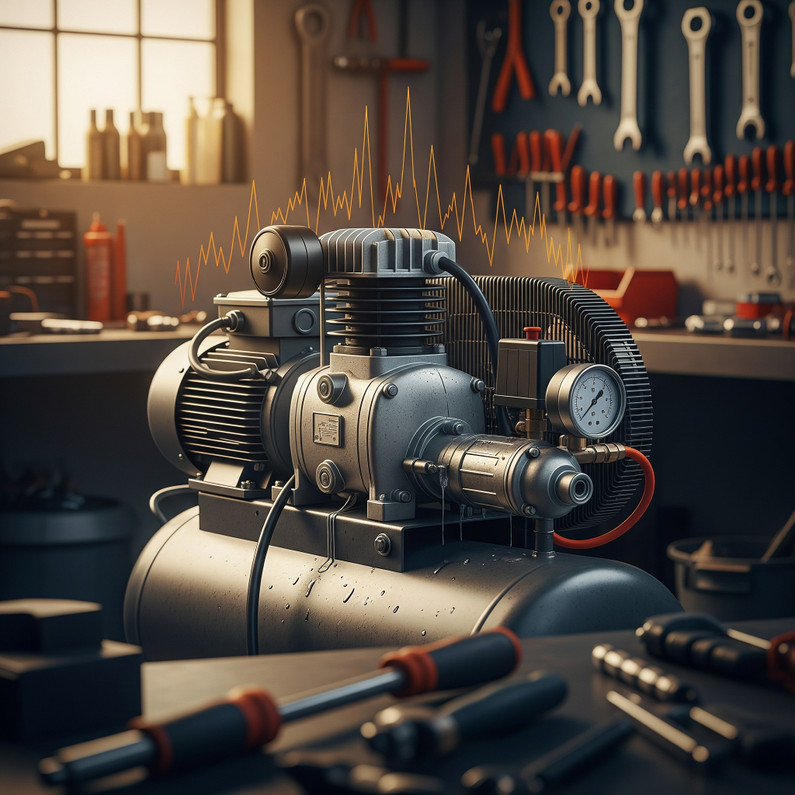
How to troubleshoot an air compressor that keeps cycling
Follow these steps in order. Start with simple external checks before opening the pump or pressure switch.
-
Turn off all air tools and accessories.
-
Close the tank outlet valve.
-
Let the compressor reach its normal cut-out pressure.
-
Record the tank pressure and the time.
-
Listen for hissing sounds.
-
Apply soapy water to fittings, valves, and joints.
-
Check whether the pressure falls while the outlet valve is closed.
-
Inspect the tank drain and safety valve.
-
Examine the intake filter.
-
Check the hose and quick-connect fittings.
-
Compare tool CFM demand with compressor output.
-
Review the pressure switch behavior.
If the tank loses pressure with the outlet valve closed, the leak is likely at the tank, drain, check valve, or compressor itself. If the pressure stays steady until you open the outlet valve, inspect the hoses, regulator, tools, and downstream air lines.
One useful test is to place a clean cloth near the pump intake while the compressor runs. Do not block the intake. If air pushes outward through the filter instead of pulling inward, a valve problem may be present.
In my experience, people often replace the pressure switch first because it is easy to blame. More often, the real cause is a leaking coupler or drain valve. A slow, quiet leak check can save both money and time.
Safety steps before inspecting the compressor
Compressed air stores a large amount of energy. A small tank can still cause serious injury if a fitting fails or pressure is released suddenly.
Use these safety practices:
• Disconnect the power before servicing electrical parts.
• Drain tank pressure before removing valves or fittings.
• Wear safety glasses when checking leaks.
• Keep hands away from moving belts and pulleys.
• Do not bypass the pressure switch or safety valve.
• Never repair, weld, or drill a damaged air tank.
• Use replacement parts rated for the compressor’s pressure.
• Keep the compressor in a dry, well-ventilated area.
The Occupational Safety and Health Administration recommends proper guarding, maintenance, and safe use of compressed air equipment. The tank itself should also be inspected for corrosion, dents, and water damage.
Stop using the compressor if you see heavy rust, bulging metal, cracks, oil leaks, burning smells, or damaged wiring. A tank failure can be extremely dangerous, and it is not a suitable do-it-yourself repair.

How to prevent frequent compressor cycling
Regular maintenance can prevent many cycling problems. Drain moisture from the tank after use, especially in humid areas. Water left inside the tank can cause rust and reduce its safe working life.
Clean or replace the intake filter at the interval listed in the manual. Check hose fittings and couplers every few months. A small amount of approved thread sealant may help on threaded joints, but do not put sealant on the first thread where it could enter the air system.
Keep the compressor on a level surface with enough space around it for cooling. Heat makes the motor and pump work harder. A dirty cooling fin or blocked ventilation area can also increase run time.
Use the right compressor for the job. If a tool requires continuous airflow, choose a model with enough delivered CFM and a suitable duty cycle. A larger tank may reduce how often the motor starts, but it cannot fix a major leak or weak pump.
A simple maintenance plan includes:
• Checking tank pressure before use
• Draining moisture after use
• Inspecting hoses and couplers
• Cleaning the intake filter
• Testing for leaks
• Checking oil level on oil-lubricated models
• Inspecting power cords and plugs
• Reviewing unusual sounds or heat
One lesson I learned from shop equipment is that small signs matter. A new hiss, longer run time, or warmer motor often appears before a major failure. Acting early is usually cheaper than waiting for the compressor to stop completely.

When to repair or replace the compressor
Repair makes sense when the problem is a fitting, drain valve, filter, check valve, or pressure switch. These parts are usually accessible and cost far less than a new compressor.
A pump rebuild may be worthwhile if the frame, tank, motor, and electrical system are in good condition. However, labor can approach the price of a new unit on small consumer compressors.
Replacement may be safer when:
• The tank has deep rust or structural damage
• The motor repeatedly overheats
• The pump cannot reach rated pressure
• Replacement parts are no longer available
• The compressor has severe oil contamination
• The repair cost is close to a new compressor
• The compressor is too small for your regular tools
Do not judge the machine only by age. A well-maintained commercial compressor may last much longer than a neglected low-cost model. Tank condition, service history, operating hours, and parts availability matter more than the calendar alone.
What the pressure readings can tell you
Pressure readings can help narrow down the fault. A compressor that reaches cut-out pressure but loses pressure while idle likely has a leak or check valve issue.
A compressor that runs continuously but never reaches cut-out pressure may have a clogged filter, damaged valves, worn piston rings, leaking gaskets, or excessive air demand. If it reaches pressure only when disconnected from the tool, inspect the hose and tool for leaks.
A large pressure drop at the regulator may be normal during high airflow, but an extreme drop points to a restricted regulator, filter, hose, or coupler. Compare readings at the tank and at the tool while air is flowing.
Keep in mind that gauges are not always exact. If the pressure reading seems unusual, test with a known accurate gauge or have a qualified technician inspect the system.
Frequently Asked Questions About an Air Compressor Keeps Cycling
Why does my air compressor keep cycling when not in use?
The most likely causes are an air leak, a leaking tank check valve, or a faulty drain valve. Close the tank outlet and use soapy water to find bubbles around fittings and valves.
How often should an air compressor cycle?
There is no single normal cycle time because it depends on tank size, tool demand, and compressor output. It should not start repeatedly when no air is being used and the tank is holding pressure.
Can a bad pressure switch make an air compressor keep cycling?
Yes. A damaged pressure switch can read pressure incorrectly or cause unstable start and stop points. Never bypass the switch, and use a qualified technician if electrical testing or adjustment is required.
Is short cycling harmful to an air compressor?
Yes. Short cycling creates extra heat and places more stress on the motor, electrical contacts, and pump. Finding the cause early can help prevent a motor failure.
Will a larger air tank stop frequent cycling?
A larger tank can reduce cycling during short bursts of air use, but it will not repair a leak or weak pump. The compressor still needs enough delivered CFM for continuous-use tools.
Why does my compressor run but fail to build pressure?
A clogged intake filter, damaged reed valve, worn piston rings, leaking gasket, or excessive air demand may be responsible. Check the filter and tool demand first, then arrange a pump inspection if the issue remains.
Should I adjust the cut-in and cut-out pressure?
Do not adjust pressure settings unless the manufacturer allows it and you understand the safety limits. Incorrect settings can damage the compressor or create a dangerous overpressure condition.
Conclusion
An air compressor keeps cycling because air is escaping, the pump is struggling, the controls are faulty, or the compressor is too small for the job. Start with a pressure-holding test, inspect common leak points, check the filter, and compare tool demand with delivered CFM.
Do not ignore repeated starts, unusual heat, or a tank that loses pressure while idle. Small repairs can prevent expensive damage, while serious tank or electrical problems require professional service. Use these steps to inspect your equipment safely, and share your compressor model and symptoms if you need more troubleshooting guidance.