Ryobi Circular Saw Smoking: Causes And Fixes
Ryobi circular saw smoking usually means excess heat from a dull blade, overload, jam, motor fault, or poor airflow.
Seeing a Ryobi circular saw smoking can feel alarming, especially when the smell reaches you before the cut is complete. In most cases, the smoke points to heat building faster than the saw can release it. This guide explains the likely causes, safe checks, repair limits, and ways to prevent the problem from returning.
Stop Using the Saw Immediately
If your Ryobi circular saw is smoking, release the trigger at once. Move the blade away from the workpiece, remove the battery or unplug the saw, and place it on a nonflammable surface.
Do not keep cutting to “finish the board.” A small amount of heat can turn into damaged brushes, melted insulation, or a failed motor. If the smoke came with sparks, a loud pop, or a burning plastic smell, treat the saw as unsafe until it has been checked.
Allow the tool to cool for at least 20 to 30 minutes. Do not spray water on it. Water can damage electrical parts and create a shock risk when power is restored.

What Smoke From a Ryobi Circular Saw Means
Smoke is a sign that a part is getting too hot. The source may be the blade, the wood, the motor, the bearings, or the electrical system.
A little dust in the air can look like smoke during a fast cut. True smoke usually has a sharp smell and hangs in the air. The smell can help identify the problem:
• A wood smell often means the blade is dull, dirty, or cutting too slowly.
• A hot electrical smell may point to brushes, wiring, the motor, or a circuit problem.
• A burning plastic smell can signal melted insulation, a damaged cord, or a hot housing.
• A rubber-like smell may come from a slipping blade, belt, or overheated part, depending on the model.
The location also matters. Smoke from the blade area often relates to cutting friction. Smoke from the motor vents suggests an internal heat problem. Smoke from the battery area may indicate a battery or connection fault.
Common Causes of Ryobi Circular Saw Smoking
A Dull or Damaged Blade
A dull blade creates more friction than a sharp blade. Instead of slicing through wood, it rubs and pushes against the fibers. This makes the saw work harder and can produce smoke from the cut.
A blade with missing, bent, or chipped teeth can also bind in the material. Inspect the blade after removing the battery or power cord. Replace it if the teeth are damaged, packed with resin, or badly worn.
Use a blade suited to the material. A general-purpose wood blade is not the right choice for metal, masonry, or other hard materials unless it is specifically rated for that job.
The Blade Is Installed Backward
A circular saw blade must face the correct direction. The teeth should cut into the material as the blade rotates. A backward blade may rub, cut poorly, and create heat.
Check the arrow on the blade against the rotation arrow on the saw guard. The exact layout can vary by model, so use the manual for your saw. Never rely only on memory when installing a new blade.
The Cut Is Too Deep
A blade set too deep places more tooth and blade surface inside the wood. That increases friction and can make the saw smoke.
For most wood cuts, set the blade so the lowest tooth extends slightly below the material. The exact depth depends on the workpiece and the cut. A shallow, controlled setting usually gives the motor an easier job.
The Material Is Pinching the Blade
Wood can close around the blade as a cut progresses. This is called pinching. It can stop the blade, overload the motor, and cause the Ryobi circular saw smoking problem.
Support long boards on both sides of the cut. Keep the cutoff section from falling or twisting into the blade. Never force the saw through a pinched cut. Turn it off, wait for the blade to stop, and free the tool safely.
You Are Pushing Too Hard
A circular saw should move at a steady pace. If you push too fast, the motor may bog down. If you push too slowly, the blade may rub in the cut for too long.
Let the blade do the work. A sharp blade should produce a steady cutting sound. A deep drop in speed, a growling sound, or visible smoke means you should stop and inspect the setup.
Dust Is Blocking Airflow
Sawdust can clog the motor vents. Poor airflow traps heat inside the tool and may cause the Ryobi circular saw smoking issue after several cuts.
With the battery removed or the cord unplugged, brush dust from the vents. Use dry compressed air only if the manual allows it, and keep the air pressure moderate. Do not push debris deeper into the housing.
Worn Carbon Brushes
Many brushed Ryobi saws use carbon brushes. These small parts transfer power to the motor. As they wear, the motor may spark more than normal, lose power, smell hot, or smoke.
Brush wear is not a concern on brushless models in the same way. If your saw has replaceable brushes, use the correct parts for that exact model. If you see heavy sparking through the vents, stop using the tool and have it serviced.
Motor, Bearing, or Wiring Failure
A damaged bearing can make the blade shaft feel rough or produce a whining sound. A failing armature or damaged wiring may cause smoke from the motor housing.
These faults are not good beginner repairs. Opening the saw can expose live electrical parts, sharp components, and stored energy. If the saw smokes again after a blade and airflow check, professional service is the safer choice.
Battery or Power Supply Problems
A battery-powered Ryobi circular saw can overheat because of a damaged battery, poor terminal contact, or a battery that is too hot. A corded model may have trouble because of a damaged cord, loose outlet, or undersized extension cord.
Use the battery type and charger approved for the tool. For corded saws, use a suitable outdoor-rated extension cord with enough capacity for the saw. A long, light-duty cord can cause voltage drop and motor heat.

How to Diagnose a Smoking Ryobi Circular Saw
Use this process only after the saw is unplugged or the battery is removed.
-
Look for the smoke source. Check the blade, guard, vents, cord, battery, and housing.
-
Smell the tool carefully from a safe distance. A burnt electrical smell is more serious than warm wood dust.
-
Inspect the blade. Check its direction, sharpness, tooth damage, cleanliness, and rating.
-
Check the blade depth. Make sure it is not set much deeper than needed.
-
Inspect the lower guard. It should move freely and return to the closed position without sticking.
-
Clean the air vents. Remove packed dust with a dry brush.
-
Check the arbor and blade flange. The blade should sit flat and secure. Do not use a bent blade or damaged washer.
-
Inspect the battery or cord. Look for swelling, melted plastic, dark marks, loose terminals, or damaged insulation.
-
Test the blade by hand. With the power removed, it should turn smoothly without grinding or wobbling.
-
Run a short test only if there is no electrical smell, visible damage, or heavy sparking. Keep the blade clear of material and stop at once if smoke returns.
Do not bypass the blade guard, tape down a safety switch, or test the tool with the cover removed. Those shortcuts can turn a repair check into a serious injury.
How to Fix the Problem Safely
The correct fix depends on the cause. Some fixes are simple, while others require service.
Replace the Blade
Install a sharp blade that matches the saw’s diameter, arbor size, tooth direction, and material. Tighten it according to the owner’s manual. Do not over-tighten the arbor nut, since that can make future removal difficult or damage parts.
Improve the Cutting Setup
Support the workpiece well. Mark the cut clearly and keep the saw base flat on the material. Avoid twisting the saw during the cut.
If the motor slows, stop and reset. A short pause can protect the motor from more heat. Never force the saw through a knot, nail, screw, or hidden fastener.
Clean the Tool
Remove dust from the vents, base, guard, and blade area. A clean saw cools better and gives you a clearer view of the cut.
Do not use oil or spray lubricant inside the motor unless the manufacturer specifically calls for it. Many modern power tools have sealed bearings and electronic parts that can be harmed by the wrong product.
Replace Worn Brushes
Only replace carbon brushes if the model supports this service and you are comfortable following the manual. Use matched brushes and inspect the brush holders for damage.
If the new brushes spark heavily, stop. A brush replacement may not solve a damaged armature or commutator.
Seek Professional Repair
Contact an authorized service center when:
• Smoke returns with a sharp electrical smell.
• The saw produces heavy sparks.
• The motor sounds rough or changes speed.
• The blade shaft wobbles.
• The housing, cord, or battery shows heat damage.
• The tool trips a breaker.
• The saw stops after overheating and will not restart.
A repair may be worthwhile for a newer or higher-value saw. For an older tool with motor, bearing, and housing damage, replacement may cost less and provide better safety.

How to Prevent Ryobi Circular Saw Smoking
Prevention starts with the blade and the way the saw enters the material. A sharp blade, correct depth, and steady feed rate reduce most common heat problems.
Before each job:
• Confirm the blade is sharp and made for the material.
• Check that the blade is installed in the correct direction.
• Set the depth only as deep as needed.
• Clear the cutting path of screws, nails, and hidden hardware.
• Support the workpiece on both sides.
• Inspect the cord, battery, guard, and vents.
During the cut, keep the base flat and use both hands when the model and manual require it. Do not twist the saw to widen a cut. If the saw slows, smells hot, or begins smoking, stop and investigate.
After use, let the tool cool before storing it. Keep batteries away from extreme heat and store them according to the battery manual. Regular care is much cheaper than a burned motor.
Mistakes I Have Seen During Hands-On Troubleshooting
One common mistake is blaming the motor first. In many cases, the real cause is a dull blade or a board that pinched the blade. Replacing the blade and improving the support solved the heat problem without any motor repair.
Another mistake is using the wrong blade because it “looks close enough.” Tooth count, blade type, and material rating all affect heat. A blade made for fast rough cuts may struggle with fine plywood, while a fine-tooth blade may heat up in thick framing lumber if pushed too hard.
I also see people keep pulling the trigger after smoke appears. That is risky. Smoke is not a warning to work faster; it is the tool telling you to stop and find the source.
The best lesson is simple: treat the saw like a small engine. Give it the right cutting tool, enough airflow, a fair workload, and time to cool.

When Replacement Is Better Than Repair
A Ryobi circular saw may not be worth repairing when the motor, control board, cord, and housing all show heat damage. Battery tools can also be difficult to assess because the fault may be in the saw, battery, or electronic protection system.
Replacement makes more sense when:
• The tool is heavily damaged or very old.
• The repair cost is close to a new saw.
• The battery has signs of swelling or melting.
• The saw has repeated electrical faults.
• Replacement parts are no longer available.
Do not throw a damaged lithium-ion battery into household trash. Follow local battery recycling rules. Keep a suspect battery away from heat, metal objects, and living areas until you receive proper disposal guidance.
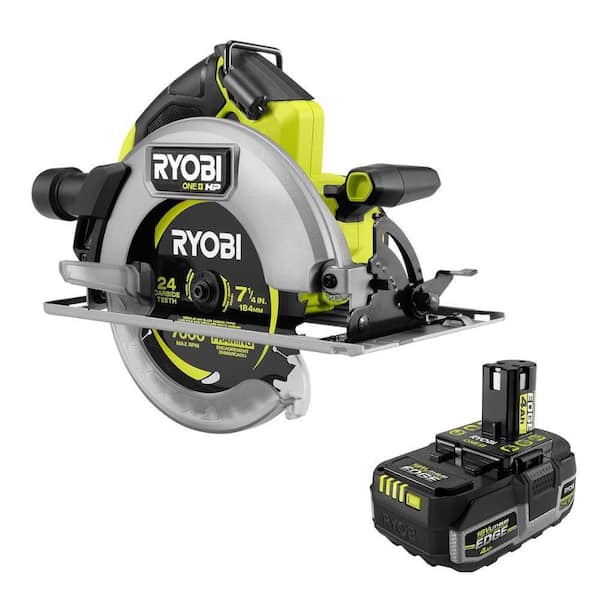
Frequently Asked Questions About Ryobi Circular Saw Smoking
Why is my Ryobi circular saw smoking during a cut?
The most common causes are a dull blade, excessive cutting pressure, blade pinching, or blocked motor vents. Stop the saw, remove its power source, let it cool, and inspect the blade and workpiece before using it again.
Can a dull blade cause a Ryobi circular saw to smoke?
Yes. A dull blade creates extra friction and makes the motor work harder. Replacing it with the correct sharp blade often solves smoke caused by overheating at the cut.
Is it safe to use a Ryobi saw after it smokes once?
It depends on the source and severity of the smoke. Do not reuse it if you notice an electrical smell, heavy sparks, melted parts, or smoke from the motor housing; have it inspected first.
Can sawdust make a Ryobi circular saw overheat?
Yes. Packed sawdust can block cooling vents and trap heat inside the motor housing. Remove the battery or unplug the tool, then clean the vents with a dry brush.
Why does my Ryobi saw smell like burning plastic?
A burning plastic smell can come from damaged insulation, a hot cord, a battery fault, or overheated internal parts. Stop using the saw and inspect it only when disconnected from power; service is recommended if the smell returns.
Should I replace the brushes when my Ryobi circular saw smokes?
Possibly, but smoke does not prove that the brushes are the only problem. Worn brushes can cause sparking and heat, yet a damaged armature, bearing, or control part may also be involved.
Conclusion
Ryobi circular saw smoking is usually caused by excess friction, overload, poor airflow, a damaged blade, or an internal electrical fault. Stop the tool, remove the battery or unplug it, let it cool, and check the blade, depth, vents, workpiece, and power source.
Do not ignore repeated smoke or a burning electrical smell. Use the right blade, make steady cuts, support the material well, and seek professional service when the problem involves sparks, wiring, bearings, or the motor. Apply these checks before your next project, and share your experience or questions in the comments.