Chainsaw Cuts Crooked: Fix It Fast And Cut Straight
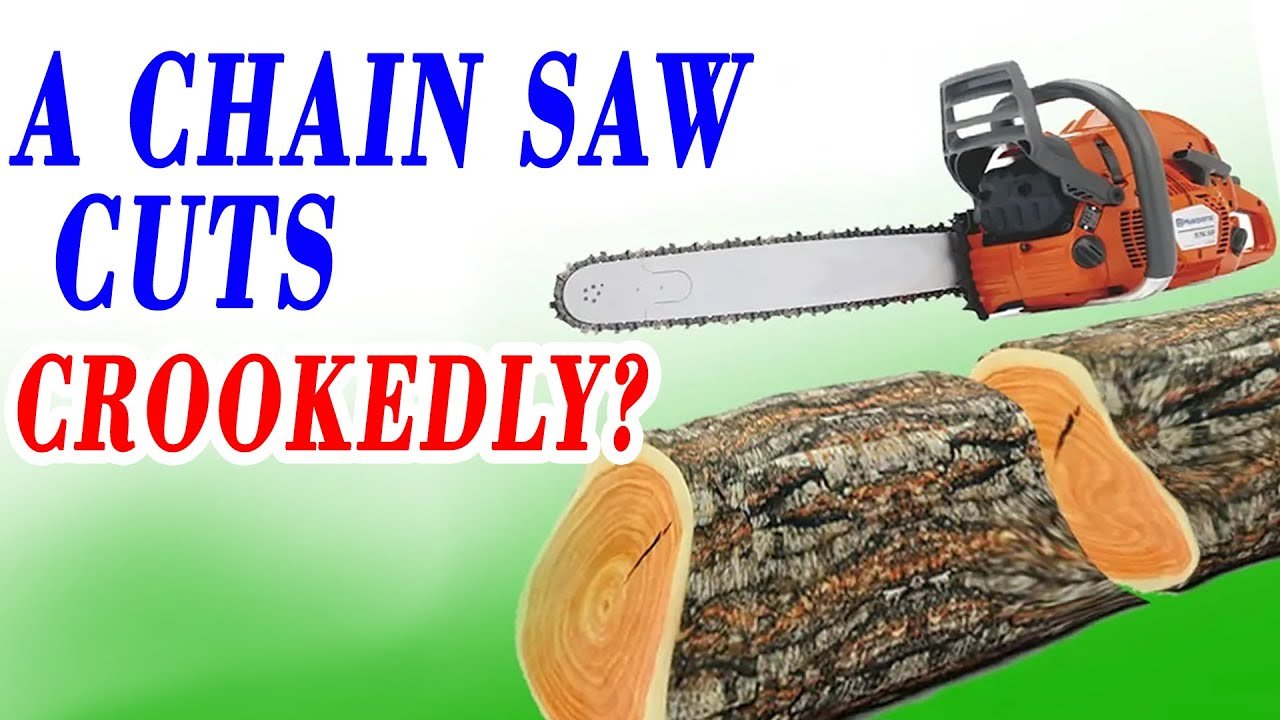
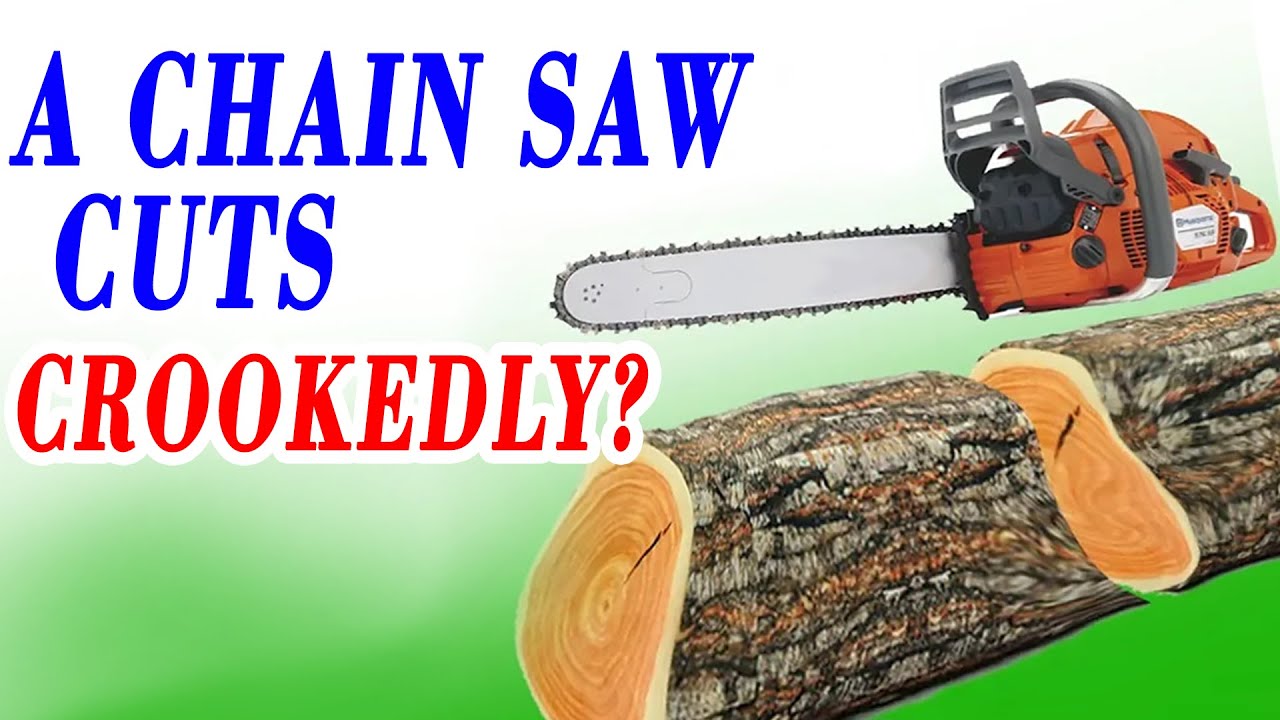
A chainsaw cuts crooked when its chain, bar, or cutting technique is uneven or badly adjusted.
A chainsaw should cut a fairly straight path through clean wood. When it pulls to one side, the cause is often simple: dull cutters, uneven filing, a worn guide bar, poor chain tension, or cutting pressure from the operator. This guide explains why a chainsaw cuts crooked, how to find the fault, and how to fix it safely.

Why Does a Chainsaw Cut Crooked?
A chainsaw cuts crooked when the teeth do not remove the same amount of wood on both sides of the chain. The saw then follows the side with the more aggressive cutters. It may drift left, drift right, or cut in a curve.
The most common causes are:
• Unevenly sharpened chain cutters
• Incorrect depth gauge height
• A bent, worn, or damaged guide bar
• A loose bar or damaged bar rails
• Cutting with too much side pressure
• Pinched wood or changing grain
A good chain works like a row of small knives. Each cutter should have the same shape and height. If one side has shorter or duller cutters, the chain behaves like a car with one bad wheel alignment.
Uneven Cutter Length
Uneven cutter length is the leading reason a chainsaw cuts crooked. If the cutters on one side are longer, they bite deeper. The saw will naturally pull toward the side with the more effective cutting teeth.
This often happens when a user sharpens by hand without a filing guide. A few strokes on one side may remove more metal than the same number of strokes on the other side. The error can be small but still change the direction of the cut.
Low or Uneven Depth Gauges
Depth gauges, also called rakers, control how deeply each cutter enters the wood. If the depth gauges are too high, the chain cuts slowly and may wander. If they are too low, the chain can grab hard, vibrate, and become difficult to control.
Depth gauges must be filed with the correct guide for the chain type. Do not guess their height. The correct setting depends on the chain pitch and the manufacturer’s design.
A Damaged Guide Bar
The guide bar holds the chain in line. If the bar rails wear unevenly, the chain leans instead of running straight. The saw may then cut crooked even when the chain looks sharp.
A bar can also bend after a pinch, kickback event, or forceful side cut. A damaged bar may show blue heat marks, uneven rails, a spread groove, or a chain that rocks from side to side.
Incorrect Chain Tension
A chain that is too loose can move from side to side in the bar groove. A chain that is too tight may not move freely and can create excess heat. Both conditions can make a chainsaw cut crooked.
Check tension with the engine off and the chain brake released. The chain should fit snugly against the bar but still pull around the bar by hand while wearing heavy protective gloves.

How to Tell What Is Making the Chainsaw Cut Crooked
Start with a basic inspection before filing or replacing parts. Turn off the engine, let the saw cool, disconnect the spark plug on some models when appropriate, and wear gloves. A chain can injure you even when the engine is not running.
Look for these signs:
• The saw pulls to the left or right in nearly every cut
• The cut starts straight but curves deeper in the log
• Fine dust comes from the cut instead of large chips
• The chain creates smoke during normal cutting
• The bar feels loose or rocks in the cut
• The chain jumps, rattles, or sags
• One side of the cutters looks shorter than the other
• The saw cuts well in one direction but not the other
A useful test is to make a shallow cut in a clean, stable log. Do not force the saw. If it consistently drifts in the same direction, inspect the chain and bar first.
Check the Chain Cutters
Place the chain in a well-lit area and compare the left-hand and right-hand cutters. Look for:
• Different cutter lengths
• Rounded or shiny cutting edges
• Broken or chipped teeth
• Uneven top-plate angles
• A damaged drive link
The shortest cutter often sets the limit for sharpening. If several teeth are badly damaged, professional sharpening or chain replacement may be safer and more cost-effective than trying to restore them by eye.
Check the Guide Bar
Remove the chain and clean the bar groove. Use a bar-cleaning tool or a thin piece of plastic. Do not use a screwdriver that can damage the groove.
Inspect the bar for:
• Uneven rail height
• A pinched or narrow groove
• Burrs along the rails
• A bent body
• Excessive side-to-side chain movement
• A damaged nose sprocket
Many manufacturers recommend turning a guide bar regularly to promote even wear. However, flipping the bar will not fix a bar that is already badly worn or bent.
Check the Sprocket and Lubrication
A worn drive sprocket can make the chain run unevenly. If the sprocket teeth look sharp, hooked, or deeply worn, replace it according to the saw manufacturer’s instructions.
Also confirm that the bar receives oil. A simple test is to point the running saw toward a light-colored surface from a safe distance and briefly increase the throttle. A thin line of oil should appear. Never test the chain with your hand.

How to Fix a Chainsaw That Cuts Crooked
The repair depends on what the inspection shows. Do not replace the chain immediately if the real problem is a bent bar. Likewise, do not replace the bar if the chain only needs proper sharpening.
Sharpen the Chain Evenly
For hand sharpening, use the file size listed for your chain. The chain’s pitch and model determine the correct file diameter. A filing guide helps keep the top-plate angle and file height consistent.
Use this process:
-
Clean the chain so you can see the cutter edges.
-
Find the shortest cutter and use it as the reference.
-
File every cutter to the same length.
-
Keep the same filing angle on both sides.
-
File all cutters facing one direction first.
-
Turn the saw or move to the other side and file the remaining cutters.
-
Check the depth gauges with the correct depth-gauge tool.
-
Remove only the amount recommended by the chain maker.
Do not push the file backward with heavy force. Use smooth strokes in the cutting direction. A consistent method matters more than speed.
If a chain has struck soil, rock, nails, or wire, it may need much more metal removed. In that case, a new chain is often the safer choice.
Replace or Service the Guide Bar
A lightly burred rail can sometimes be dressed with a proper flat file. Keep both rails even and remove only the raised metal. Clean the oil holes and bar groove before reassembly.
Replace the bar if it is bent, badly worn, cracked, or has a groove that no longer supports the drive links. A new bar must match the saw’s mount, length, chain pitch, gauge, and drive-link count.
Set the Chain Tension Correctly
Fit the chain so the cutting edges face forward on the top of the bar. Then adjust the tension until the drive links stay inside the groove while the chain still moves freely by hand.
After a short period of cutting, stop the saw and check the tension again. New chains stretch during early use. Always follow the tension method in the owner’s manual because designs vary.
Use the Correct Cutting Method
Sometimes the chain is fine, but the operator causes the chainsaw to cut crooked. Let the chain do the work. Keep the bar aligned with the cut and avoid twisting the saw.
Use both hands, maintain a firm stance, and keep the upper body behind the saw. Do not push the bar sideways to correct a drifting cut. Side pressure can worsen the problem and increase kickback risk.
Why a Sharp Chainsaw Chain Still Cuts Crooked
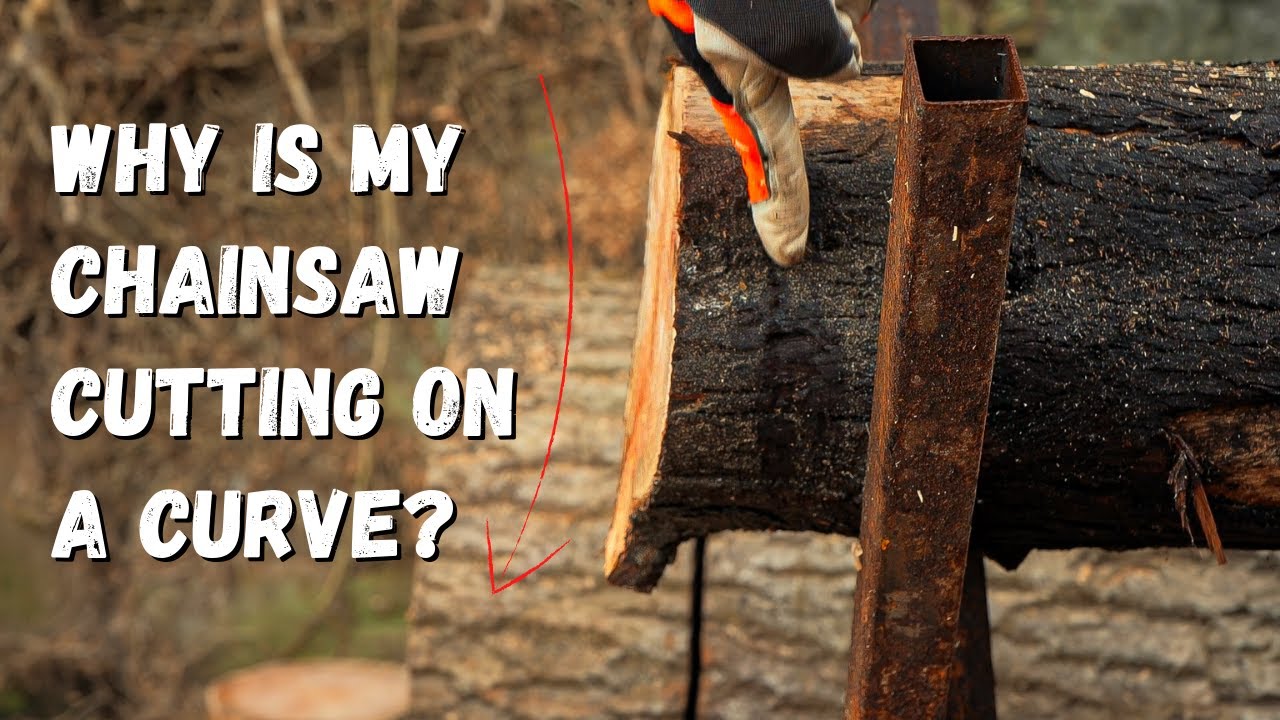
A sharp chain can still make a crooked cut if the cutters are uneven. Sharpness alone is not enough. Cutter length, filing angle, depth-gauge height, bar condition, and tension must all work together.
Wood can also affect the cut. Knots, twisted grain, compression wood, and tension in a leaning tree may push the bar in a new direction. In some logs, the kerf closes around the bar and creates a pinch.
If the cut changes direction only in certain wood, the grain may be part of the cause. If the chainsaw cuts crooked in every log, suspect the chain, bar, or sprocket first.
A common mistake is to sharpen only the visibly dull teeth. This creates a chain with mixed cutter lengths. It may feel sharp but still pull to one side. Always sharpen the full chain or have it sharpened as a complete unit.

How to Prevent a Chainsaw From Cutting Crooked
Good maintenance prevents most cutting problems. A few minutes of inspection can save a bar, chain, and costly repair.
Before each use:
• Check chain tension
• Inspect the cutters for damage
• Confirm that the chain brake works
• Check the bar oil level
• Inspect the guide bar and sprocket
• Clean the air filter when needed
• Make sure the bar nuts are tight
During use:
• Avoid cutting dirty or muddy wood
• Keep the bar straight in the kerf
• Do not twist the saw
• Stop if the chain smokes or produces fine dust
• Let the chain cut at full operating speed
• Watch for nails, wire, rocks, and hidden objects
After use, clean the chain and bar groove. If the saw will sit for a long time, follow the storage instructions for fuel, chain oil, and engine care.
One practical lesson is worth remembering: do not wait until the saw becomes difficult to control. A chain that starts making dust instead of chips is already asking for attention.

Chainsaw Safety When the Cut Drifts
A crooked cut is more than a quality problem. It can affect control, especially when cutting branches, trunks under tension, or wood near the ground.
Stop cutting if the saw pulls hard, vibrates sharply, smokes, or makes an unusual sound. Shut the engine off before touching the chain, removing wood chips, or checking the bar.
Wear the proper personal protective equipment:
• Chainsaw helmet with face and hearing protection
• Eye protection
• Cut-resistant leg protection
• Chainsaw gloves
• Steel-toe or cut-resistant boots
Keep bystanders away from the work area. For tree felling, follow recognized safety practices and local rules. If the tree is leaning, damaged, near power lines, or under strong tension, hire a trained professional.
Workplace safety guidance treats kickback, loss of control, and struck-by injuries as major chainsaw hazards. The safest repair is the one done with the engine off, the saw stable, and the correct parts installed.

When to Replace the Chain or Bar
Replacing a chain is sensible when the cutters are too short, cracked, badly damaged, or uneven beyond easy correction. A chain that has hit metal may contain hidden damage, even if only one tooth looks broken.
Replace the guide bar when you find:
• A visible bend
• Cracks
• Severe rail wear
• A damaged bar nose
• A groove that will not hold the drive links
• Repeated chain derailment after correct tensioning
Use parts that match the saw. The chain pitch, gauge, bar length, and drive-link count must agree. A mismatched chain can create poor cutting, unsafe operation, or damage to the saw.
If you are unsure, take the bar and chain to a qualified dealer. A short inspection can identify a worn rail or wrong chain faster than repeated sharpening attempts.
Common Mistakes That Make a Chainsaw Cut Crooked
Many crooked-cut problems come from small habits rather than major mechanical failure.
Avoid these mistakes:
• Filing one side of the chain more than the other
• Using the wrong file size
• Ignoring depth gauges
• Running a dry bar
• Using a worn chain on a worn bar
• Cutting with a loose chain
• Forcing the saw through slow cuts
• Twisting the bar to widen the kerf
• Continuing after the chain hits soil or metal
• Installing a chain with the cutters facing backward
A useful field habit is to check the chain after every major cut, especially when working in dirty wood. Catching damage early makes sharpening easier and helps prevent a small issue from becoming a dangerous one.

Frequently Asked Questions About Chainsaw Cuts Crooked
Why does my chainsaw pull to the left?
Your chainsaw may pull left because the cutters on one side are longer, sharper, or filed at a different angle. A worn guide bar or loose chain can also cause the same symptom.
Can a dull chain make a chainsaw cut crooked?
Yes, but uneven sharpness is the more common cause. If one side of the chain is duller than the other, the saw will usually drift toward the side that cuts less effectively.
How do I know if my chainsaw bar is bent?
Remove the chain and inspect the bar from the side and from the nose. A visible curve, uneven rails, excessive chain movement, or repeated crooked cuts after proper sharpening can indicate a bent or worn bar.
Should I replace the chain when a chainsaw cuts crooked?
Replace the chain if the cutters are damaged, too short, or impossible to sharpen evenly. If the chain is in good condition, inspect the bar, sprocket, tension, and depth gauges before buying a replacement.
How often should I sharpen a chainsaw chain?
Sharpen the chain whenever it produces fine dust, cuts slowly, smokes, or needs force. The exact interval depends on the wood, dirt, cutting speed, and chain type.
Can incorrect chain tension cause a crooked cut?
Yes. A loose chain can move from side to side in the guide bar groove, while an overly tight chain may bind and run poorly. Adjust tension according to the saw manufacturer’s instructions.
Is it safe to keep using a chainsaw that cuts crooked?
It is best to stop and inspect it. A crooked cut can signal a damaged chain or bar and may reduce control, increase vibration, and raise the risk of kickback.
Conclusion
A chainsaw cuts crooked most often because of uneven cutters, incorrect depth gauges, a worn or bent guide bar, poor tension, or cutting technique. Start with a careful inspection, then sharpen the chain evenly, check the bar and sprocket, and set the tension correctly.
Let the chain cut without forcing or twisting the saw. If the problem remains, replace damaged parts or ask a qualified chainsaw dealer to inspect the setup. Use these checks before your next job, and share your own chainsaw maintenance tips or questions in the comments.