Battery Chainsaw Not Charging: Fast Fixes That Work
A battery chainsaw not charging usually has a dirty contact, failed charger, damaged battery, or deep battery fault.
A battery chainsaw not charging can stop a job fast, but the cause is often simple to find. This guide explains how to test the charger, battery, contacts, temperature, and saw safely, so you can fix the issue or know when replacement is the wiser choice.
Why Your Battery Chainsaw Is Not Charging
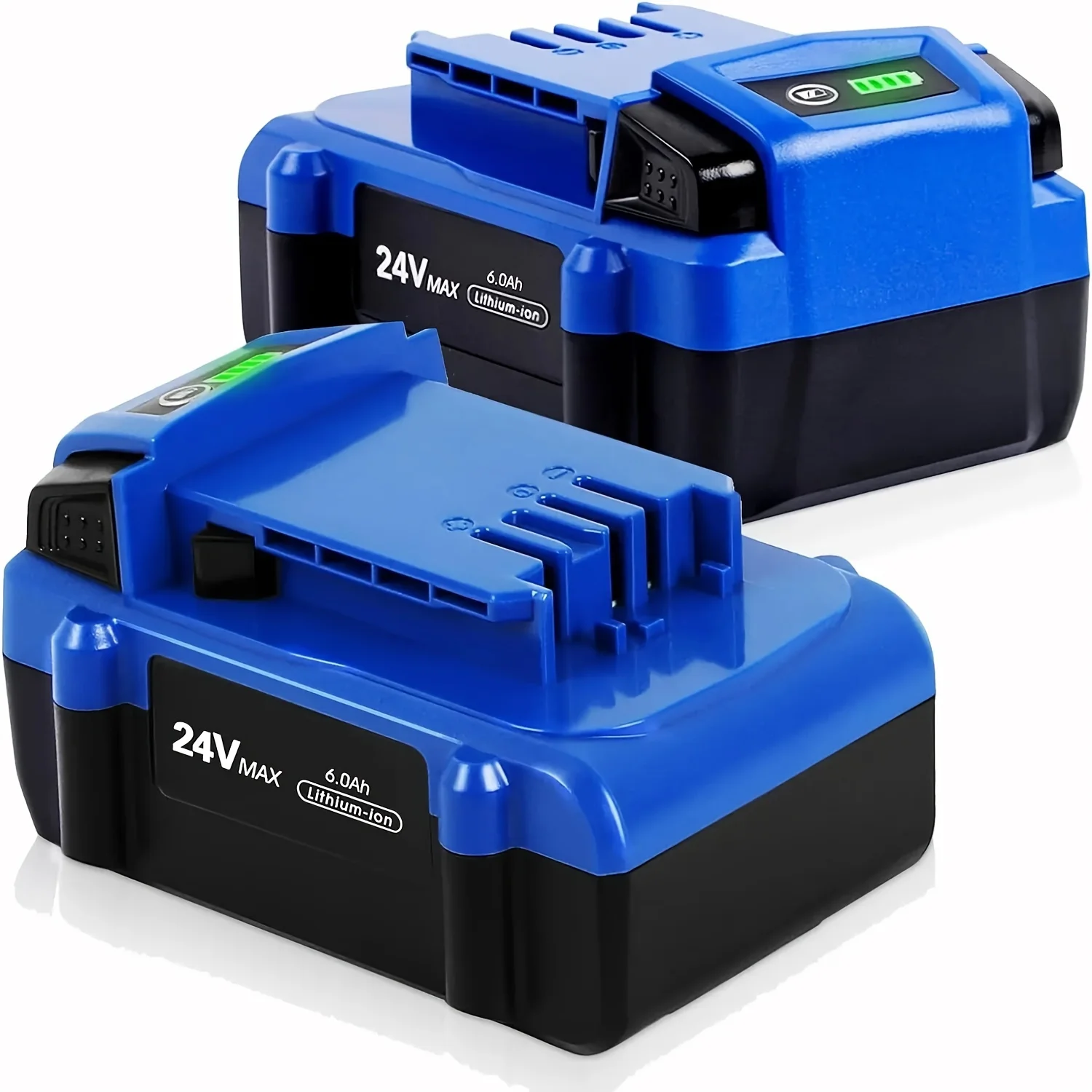
A battery chainsaw depends on three main parts: the battery pack, the charger, and the saw’s electrical contacts. If one part fails, charging may stop or never begin.
The most common causes include:
• Dirty or wet battery contacts
• A loose power cord or faulty wall outlet
• A charger that does not match the battery
• A battery that is too hot or too cold
• A deeply discharged lithium-ion battery
• Damaged battery cells
• A broken charger or charging port
• A fault in the chainsaw’s control board
Many chargers use indicator lights to show the problem. A solid green light may mean the battery is full. A flashing red light may show a fault. Light codes vary by brand, so check the manual before drawing a conclusion.
A battery chainsaw not charging does not always mean the battery is dead. In many cases, a poor connection blocks the flow of power, much like a kinked garden hose blocks water.
Start With Basic Safety Checks
Before testing a battery chainsaw not charging, remove the battery from the saw. Keep the chain brake on, and place the saw on a stable surface.
Never open a lithium-ion battery pack. These packs contain high energy cells and protective circuits. A short circuit, puncture, or incorrect repair can cause fire, burns, or toxic smoke.
Follow these safety steps:
- Turn off the chainsaw and remove the battery.
- Unplug the charger before inspecting it.
- Check the charger and battery for cracks, swelling, burns, or melted plastic.
- Keep the battery away from water, fuel, and metal tools.
- Stop testing if you smell chemicals, hear hissing, or see smoke.
Safety agencies warn users not to use damaged lithium-ion batteries. A swollen battery should not go back into the charger. Place it in a safe, dry area away from buildings and contact a local battery recycling service for advice.

Check the Power Supply and Charger
The wall outlet is an easy place to start. Plug in a lamp or another small device to confirm that the outlet works. If the outlet is controlled by a switch, turn the switch on.
Next, inspect the charger:
• Look for cuts or crushed areas on the cable.
• Check the plug for bent or loose pins.
• Make sure the charger sits firmly in the outlet.
• Confirm that the charger matches your battery model.
• Check the charger light before inserting the battery.
Using the wrong charger can prevent charging and may damage the battery. Voltage, charging control, and connector design must match the battery system. A charger from another brand may fit physically but still be unsafe.
If the charger stays dark, test a known working outlet. If it still shows no light, the charger may have failed. Do not bypass the charger or connect the battery directly to a power supply.
A simple charger test saved me time on one repair. The owner thought the battery was bad, but the real problem was a damaged extension cord. Testing the outlet and charger first can prevent an unnecessary battery purchase.

Inspect and Clean the Battery Contacts
Dirty contacts are a common reason for a battery chainsaw not charging. Sawdust, oil, moisture, and fine dirt can collect around the battery rails and charger terminals.
Remove the battery and inspect the metal contacts. Look for:
• Packed sawdust
• Green or white corrosion
• Bent metal tabs
• Black burn marks
• Moisture or oily residue
• A contact that sits lower than the others
Use a clean, dry cloth to remove light dirt. A soft brush can help clear sawdust from the grooves. Do not scrape hard with a screwdriver, and do not pour cleaner into the battery.
If the manual allows contact cleaner, apply a small amount to a cloth rather than spraying into the battery or charger. Let all parts dry fully before testing again.
Make sure the battery slides fully into the charger. You should usually hear or feel a click. A loose fit can stop the charging terminals from touching.
Let the Battery Reach Room Temperature
A battery chainsaw not charging may simply be too hot or too cold. Lithium-ion battery systems often stop charging outside a safe temperature range.
This protection helps prevent cell damage. The battery may become hot after cutting thick wood, clearing a storm-damaged tree, or working in direct sun. It may also become too cold after sitting in an unheated garage overnight.
Try this:
- Remove the battery from the saw.
- Place it indoors in a dry room.
- Let it reach room temperature naturally.
- Wait at least 30 minutes before testing it again.
- Insert it into the correct charger.
Do not heat a cold battery with a hair dryer, heater, or fireplace. Do not cool a hot battery in a freezer or refrigerator. Sudden temperature changes can create moisture inside the pack.
If charging begins after the battery returns to room temperature, the battery may be working normally. Store batteries in a cool, dry place, away from direct sun and extreme cold.
Reset the Battery and Charger
Some battery systems enter a protection mode after deep discharge, overheating, or a detected electrical fault. A simple reset may clear a temporary issue.
Use this safe reset method:
- Unplug the charger from the wall.
- Remove the battery from the charger.
- Wait for about five minutes.
- Plug the charger back into the outlet.
- Insert the battery firmly.
- Watch the indicator light for several minutes.
Some brands also use a battery fuel gauge button. Press it once and check the lights. No lights may mean the battery is fully depleted, in protection mode, or damaged.
Do not repeatedly insert and remove a faulty battery. If the charger shows a fault code each time, stop and read the model-specific manual. The reset process differs across battery platforms.
A reset can help with a temporary control error, but it cannot repair damaged cells. If a battery chainsaw not charging still shows no response after a proper reset, continue with the next checks.
Test the Battery With Another Compatible Tool
If you own another tool from the same battery platform, test the battery in that tool. Use only a tool that accepts the same voltage and battery series.
This test can help separate the problem:
• The battery works in another tool: the chainsaw or its contacts may be faulty.
• The battery fails in every tool: the battery or charger may be the issue.
• A second battery works in the chainsaw: the original battery is likely faulty.
• No battery works in the charger: the charger may be damaged.
Never force a battery into a tool. “Compatible” means more than similar size. The voltage, connector, locking system, and control electronics must match.
This cross-test is often more useful than guessing from a blinking light. It checks the parts under real operating conditions without opening the equipment.
Understand Battery Age and Deep Discharge
Lithium-ion batteries lose capacity over time. Heat, heavy loads, poor storage, and repeated deep discharge can speed up this decline.
A battery may show one light but still fail under load. It may also stop charging after many years of use. Battery life depends on the brand, cell quality, storage habits, and workload.
Common signs of a worn battery include:
• Short run time
• Sudden power loss
• A charger fault light
• Excessive heat during use
• A swollen case
• Charging that stops within a few minutes
• Failure in more than one compatible tool
A deeply discharged pack may enter a safety lockout. Some chargers will not revive it because forcing power into weak cells can be dangerous. Do not try to “jump-start” the pack with another battery, car battery, wire, or homemade adapter.
In my experience, users often store batteries empty after the cutting season. That habit can lead to trouble months later. For long storage, follow the manufacturer’s recommended charge level and keep the pack in a dry, moderate-temperature room.
When the Chainsaw or Charger Needs Repair
If the battery and charger pass basic tests, the chainsaw may have an electrical fault. Possible causes include a damaged battery socket, broken wire, failed switch, blown fuse, or control board problem.
Look for visible signs without opening the saw:
• Loose battery movement
• Cracked housing near the battery slot
• Burn marks
• Water inside the compartment
• A switch that feels stuck
• A charger port that moves
• Damage from a fall or impact
Do not use the saw if the battery connection feels loose while the motor runs. Intermittent contact can create heat and arcing.
Warranty service is usually the best choice for a newer tool. For an older saw, compare the repair cost with the price of a new tool and battery. Authorized repair centers have the correct test equipment and replacement parts.
A multimeter can measure voltage, but voltage alone does not prove that a battery is safe or healthy. Battery management systems may disconnect cells, and a pack can show normal voltage while failing under load. Only test electrical values if the manufacturer provides a safe procedure.
What Not to Do When a Battery Chainsaw Will Not Charge
Online videos sometimes suggest risky shortcuts. Avoid them, even if the method appears to work for a short time.
Never:
• Open a sealed battery pack
• Connect wires directly to battery terminals
• Use a charger with a different voltage
• Charge a swollen, cracked, or wet battery
• Leave a battery charging on a bed or sofa
• Cover the charger while it operates
• Use a damaged extension cord
• Store the battery beside fuel or heat
• Throw a lithium-ion battery in household trash
Charge on a hard, nonflammable surface where you can see the pack. Keep the area clear of paper, cloth, sawdust, and other dry materials.
If a battery becomes very hot, smokes, swells, or smells unusual, move away and call emergency services if there is an immediate fire risk. Do not handle a damaged pack with bare hands.
How to Prevent Charging Problems
Good care can reduce the chance of a battery chainsaw not charging later. Small habits matter, especially during long periods without use.
Use this maintenance routine:
• Wipe dust from the battery after each job.
• Keep contacts clean and dry.
• Store the battery indoors in moderate temperatures.
• Avoid leaving it in a hot vehicle.
• Use the correct charger for the battery system.
• Do not drain the battery completely on every cut.
• Let a hot battery cool before charging.
• Inspect the charger cable before each use.
• Follow the storage instructions in the manual.
Do not store a battery on the charger unless the manufacturer says that practice is safe. Some smart chargers manage this well, while others are designed only for active charging.
Keep the chainsaw clean, too. Sawdust can enter the battery compartment and restrict contact. A few minutes of care after cutting is easier than troubleshooting a battery chainsaw not charging on a cold morning.
A Simple Diagnostic Checklist
Use this checklist when a battery chainsaw not charging interrupts your work:
- Remove the battery and inspect it for damage.
- Check the outlet with another device.
- Inspect the charger cable and plug.
- Confirm that the charger matches the battery.
- Clean dry dust from the contacts.
- Let a hot or cold battery reach room temperature.
- Reset the charger and battery.
- Test the battery in another compatible tool.
- Test a known working battery in the chainsaw.
- Contact the manufacturer or an authorized repair center.
Write down what each indicator light does. Note whether the charger light changes when you insert the battery. This information can help support staff identify the fault faster.
If the battery is swollen, burned, wet, or cracked, skip the remaining tests. Safety comes before saving the cost of a replacement.
Frequently Asked Questions About Battery Chainsaw Not Charging
Why is my battery chainsaw not charging even though the charger light is on?
The charger may have power but still detect a bad connection, incorrect battery, or damaged battery pack. Clean the contacts, confirm compatibility, and check the charger light code in the manual.
How do I know if my chainsaw battery is dead?
A battery may be dead if it fails in every compatible tool and the correct charger shows a fault. Swelling, burning, unusual heat, and very short run time are also strong warning signs.
Can I leave a chainsaw battery on the charger overnight?
Follow the instructions for your exact battery system. Many modern chargers stop or reduce charging when the pack is full, but charging on a hard, clear surface is still the safer practice.
Can a cold battery stop charging?
Yes. Battery management systems may block charging when the pack is too cold or too hot. Let it return to room temperature naturally before trying again.
Can I repair a lithium-ion chainsaw battery at home?
Home battery repair is not recommended. Opening or modifying a pack can cause fire, electric shock, or cell failure, so use an authorized service center or a proper recycling program.
Why does my battery charge but not work in the chainsaw?
The saw may have dirty contacts, a damaged battery socket, a failed switch, or an internal electrical fault. Test the battery in another compatible tool to determine whether the saw or battery needs attention.
Conclusion
A battery chainsaw not charging often results from a dirty contact, wrong charger, extreme temperature, deep discharge, or worn battery. Start with safe checks, then test the outlet, charger, contacts, temperature, and battery compatibility.
Never bypass the charger or open a lithium-ion pack. If the battery is swollen, hot, cracked, or burned, stop using it and seek professional guidance. Use the checklist above, follow your manufacturer’s manual, and replace unsafe parts rather than risking injury.
If this guide helped, share your charging problem or solution in the comments, and explore more battery tool care tips before your next cutting job.