Chainsaw Chain Won’t Spin: Quick Fixes That Work
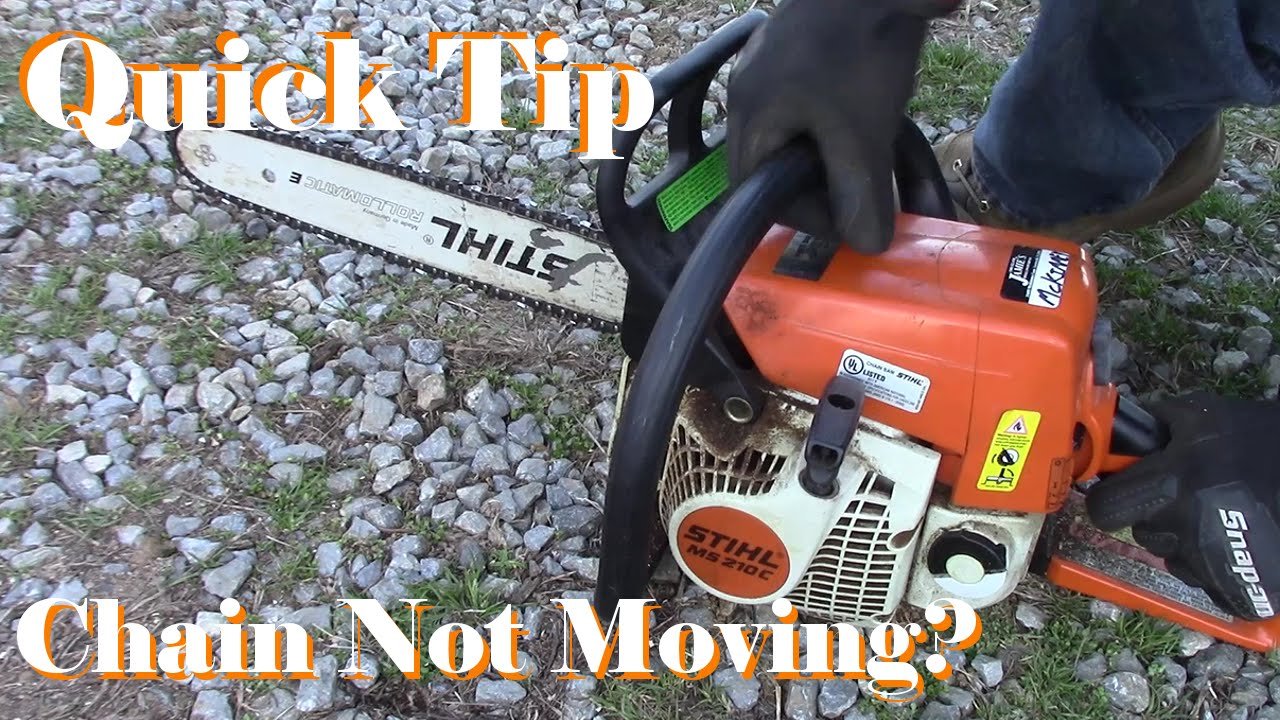
A chainsaw chain won’t spin when the chain brake, clutch, sprocket, or chain tension has a problem.
A chainsaw chain that will not move can turn a simple cutting job into a frustrating and unsafe task. The good news is that most causes are easy to find with a careful check. This guide explains why a chainsaw chain won’t spin, how to troubleshoot it safely, and when repair or replacement is the better choice.
Safety first before troubleshooting
A chainsaw can injure you even when the chain appears still. The engine may start without warning, and a stored electric saw may activate if its switch or battery is not secured.
Before checking why your chainsaw chain won’t spin, follow these steps:
- Turn off the engine and allow it to cool.
- Move the chain brake forward.
- Unplug an electric saw or remove its battery.
- Disconnect the spark plug wire on a gas saw.
- Wear work gloves when touching the chain.
- Keep the chain pointed away from your body.
- Read the safety steps in your owner’s manual.
Never test a loose chain by holding it with your hand. If the chain moves during inspection, stop at once and disconnect the power source.
A useful rule is simple: if you cannot explain why the chain is moving, do not run the saw. Professional technicians follow this same approach because a chainsaw stores enough energy to cause serious harm.

Why your chainsaw chain won’t spin
The most common cause is an engaged chain brake. Other causes include a chain that is too tight, a damaged drive sprocket, a seized clutch, or a chain packed with wood chips.
A chainsaw chain won’t spin for different reasons on gas and electric models. Gas saws use a centrifugal clutch, while electric saws use a motor and drive system. Both types also depend on the guide bar, chain groove, sprocket, and chain brake.
The main causes include:
• Engaged chain brake: The brake locks the clutch drum and stops the chain.
• Incorrect chain tension: A chain that is too tight may bind. A chain that is too loose may derail or fail to engage the sprocket.
• Dirty guide bar groove: Sawdust and resin can block the chain’s drive links.
• Damaged drive sprocket: Worn sprocket teeth may not grip the chain correctly.
• Clutch trouble: A damaged clutch may fail to transfer engine power.
• Broken chain or drive link: One damaged link can stop normal movement.
• Electric motor fault: A bad switch, motor, brake circuit, or controller may stop the chain.
• Frozen or seized parts: Rust, dirt, or long storage can lock the clutch or chain system.
Finding the cause is much easier when you inspect the saw in a logical order rather than replacing parts at random.

Check the chain brake first
The chain brake is the first thing to inspect when a chainsaw chain won’t spin. It is a safety device that stops the chain during kickback or when the front hand guard moves forward.
With the saw switched off, look at the brake lever near the top handle. On most models, the brake is engaged when the lever is pushed forward toward the guide bar. Pull the lever back toward the rear handle to release it.
Do not confuse the brake with the throttle lock or safety switch. These parts serve different jobs.
Some chainsaws also have an automatic chain brake. A strong movement of the saw can activate it, even if you did not push the lever by hand. If the brake engages again as soon as the engine runs, stop using the saw. This may point to a brake mechanism, hand guard, or spring problem.
You can often hear a clear click when the brake changes position. However, a click does not prove that the brake has released fully. If the chain remains locked with the power disconnected, the brake may need cleaning or professional service.

Inspect chain tension and movement
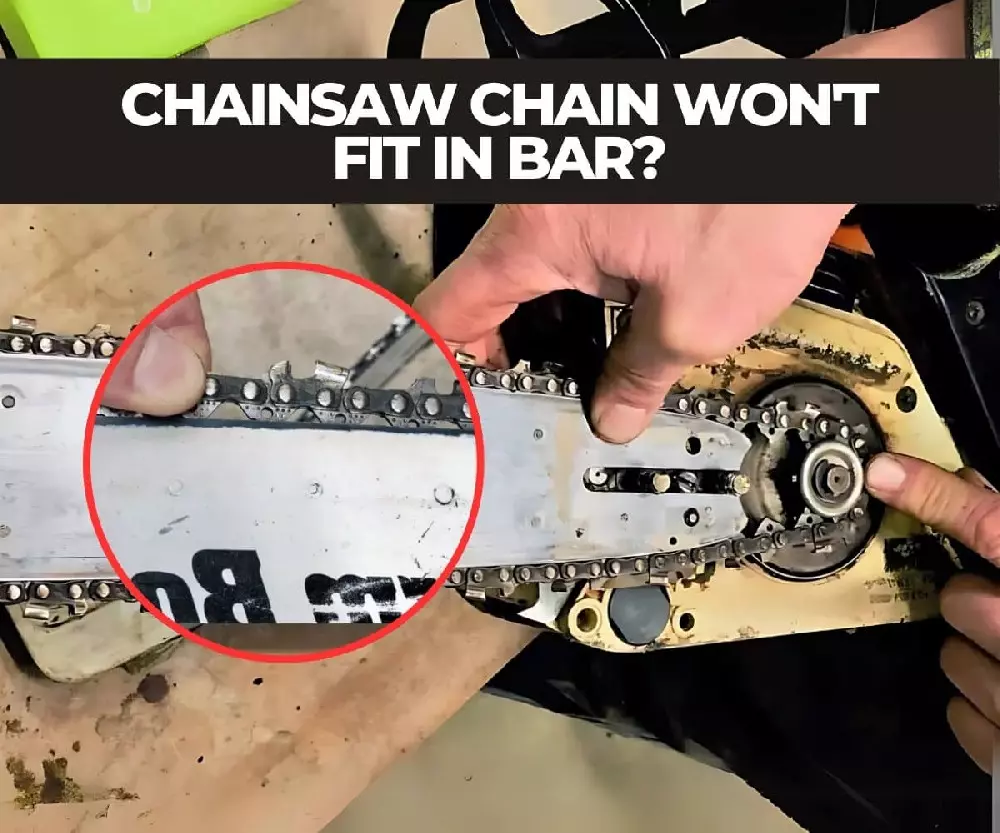
Correct chain tension is vital. A chainsaw chain won’t spin if it is adjusted too tightly against the guide bar.
With the saw off and disconnected, pull the chain around the bar by wearing gloves. It should move with firm resistance, but it should not feel locked. The drive links must remain inside the guide bar groove.
A properly adjusted chain usually has slight lift from the bar. Pull the chain away from the bar at the center of the top rail. The drive links should not come fully out of the groove, but the chain should not hang loosely.
Always use the tension method in your owner’s manual. Different saws use different adjustment systems, and some chains change length as they warm during use.
Check for these signs:
• The chain is hard to pull by hand: It may be too tight, damaged, or trapped by a dirty bar.
• The chain hangs below the bar: It may be too loose.
• The chain moves in spots but binds in others: The chain, bar, or drive links may be damaged.
• The chain will not move at all: The brake, sprocket, or clutch may be locked.
Do not force a tight chain around the bar. Excess force can damage the clutch, sprocket, bar, or chain.

Clean the guide bar and chain
A dirty bar groove is a common reason a chainsaw chain won’t spin. Cutting wood creates fine chips, dust, sap, and oil residue. These materials can pack into the narrow groove that guides the chain.
Remove the chain according to the instructions for your model. Clean the bar groove with a bar-cleaning tool, a thin plastic tool, or a suitable flat pick. Avoid using a sharp object that can widen or damage the groove.
Clean the oil holes near the base of the bar. Blocked oil holes can cause heat and friction. Over time, the chain may bind or the bar rails may wear unevenly.
Inspect the bar for:
• A pinched or crushed groove
• Blue or dark areas caused by heat
• Uneven rail height
• A bent bar
• Heavy burrs along the rails
Turn the guide bar over during routine maintenance if the manufacturer allows it. This helps spread wear across both rails. Replace a bar that is badly bent, deeply worn, or too damaged to hold the chain correctly.
After cleaning, fit the chain and test its movement by hand with the power disconnected.

Inspect the drive sprocket
The drive sprocket transfers power to the chain. If its teeth are worn, broken, or packed with debris, a chainsaw chain won’t spin correctly.
The sprocket may be located at the clutch side of a gas saw or near the motor on some electric models. Remove the side cover only after disconnecting the power source and following the manual.
Look for pointed, hooked, or uneven sprocket teeth. A healthy sprocket has smooth, even contact surfaces. Deep grooves or sharp tooth edges show that the part is worn.
A worn sprocket can also damage a new chain. For this reason, technicians often replace the sprocket when the chain has seen heavy use or when several chains have been used on the same saw.
Do not file sprocket teeth to make them look even. The sprocket is a precision part, and filing may create more problems. Replace it with the correct part for your exact model.

Check the clutch on a gas chainsaw
A gas chainsaw uses a centrifugal clutch. At idle speed, the clutch should keep the chain still. When you press the throttle, engine force should make the clutch shoes expand and turn the chain sprocket.
If the engine revs but the chainsaw chain won’t spin, the clutch may be worn, broken, or stuck. A damaged clutch drum can cause the same symptom.
Common clutch warning signs include:
• The chain moves at idle
• The engine revs but the chain stays still
• The chain moves in short bursts
• A burning smell comes from the clutch area
• The clutch drum shows deep wear marks
Never remove a clutch unless you understand the correct procedure. Many chainsaw clutches use reverse threads, and the piston must be blocked with the correct tool. Incorrect work can damage the engine or cause injury.
In my experience, forcing a gas saw to keep cutting after clutch trouble usually makes the repair more expensive. A short inspection is far better than burning out the clutch drum or damaging the crankshaft.

Troubleshoot an electric chainsaw
Electric chainsaws have a different set of likely faults. When a chainsaw chain won’t spin, first check the power supply and safety controls.
For a corded model, inspect the outlet, extension cord, plug, and power switch. Use only an extension cord rated for the saw and outdoor use. A weak or damaged cord may cause the motor to stop or run poorly.
For a battery model, check the battery charge, battery contacts, trigger lock, and temperature condition. Some saws stop when the battery becomes too hot or too cold.
Then inspect the chain brake, guide bar, chain tension, and sprocket. An electric motor may hum while the chain stays still if the chain is jammed. Turn the saw off at once if you hear humming, clicking, or repeated electrical cutoffs.
Do not bypass a safety switch or chain brake sensor. These systems protect you from accidental starting and kickback. If the motor runs but the drive system does not turn, the saw may need a qualified repair technician.

A step-by-step repair check
Use this order when a chainsaw chain won’t spin:
- Disconnect the spark plug wire, battery, or power cord.
- Release the chain brake.
- Check whether the chain moves by hand.
- Inspect chain tension.
- Remove packed chips from the bar groove.
- Check the bar rails and oil holes.
- Inspect the chain for broken or bent drive links.
- Examine the drive sprocket.
- Check the clutch area on a gas model.
- Reassemble the saw and test it only in a safe outdoor area.
If the chain moves freely by hand but stops when you press the throttle, suspect the clutch, sprocket, or motor drive. If the chain does not move by hand, suspect the brake, bar, chain, or sprocket first.
This process helps prevent a common mistake: replacing the chain when the real problem is a locked brake or damaged sprocket.
When to replace the chain, bar, or sprocket
Some problems need replacement instead of cleaning or adjustment. A chainsaw chain won’t spin reliably when its drive links, cutters, or tie straps are badly damaged.
Replace the chain if you see cracked links, missing parts, severe rust, or bent drive links. A chain that has been pinched hard in wood may also have hidden damage.
Replace the guide bar if it is bent, badly worn, or has rails with different heights. A damaged bar can make even a new chain bind.
Replace the sprocket if the teeth are hooked, sharp, or deeply grooved. The correct replacement must match the chain pitch and gauge.
Always match these specifications:
• Chain pitch
• Chain gauge
• Number of drive links
• Guide bar length
• Sprocket type
Using the wrong chain can cause poor cutting, vibration, derailment, and extra wear. Check the model plate and owner’s manual instead of guessing from the bar length alone.
Common mistakes to avoid
Many chainsaw problems grow worse because the first repair attempt is rushed. Avoid these mistakes when your chainsaw chain won’t spin:
• Do not run the saw with the chain brake engaged.
• Do not pull a stuck chain with bare hands.
• Do not over-tighten the chain to stop it from sagging.
• Do not use a damaged extension cord.
• Do not spray random lubricants into the clutch.
• Do not bypass the trigger lock or brake system.
• Do not install a chain with the cutters facing backward.
• Do not keep cutting when the chain smokes or smells burnt.
One lesson I learned early is that a chain can look sharp and still be unsafe. A bent drive link or damaged tie strap may not stand out until the chain binds. Careful inspection saves time and protects the saw.
How to prevent the problem
Routine care can prevent most cases where a chainsaw chain won’t spin. Clean the bar groove after demanding jobs, keep the chain properly tensioned, and use the correct bar oil.
Before each use, check the brake, chain movement, throttle lock, and visible fasteners. After cutting, remove sawdust from the side cover and sprocket area.
Sharpen the chain with the correct file or guide. A dull chain makes you push harder, creates more heat, and increases stress on the clutch and bar.
Use fresh fuel mixed at the ratio listed for your gas model. Old or incorrect fuel can cause poor engine behavior, though it usually does not directly lock the chain.
Store the saw in a dry place with the chain covered. Long exposure to moisture can cause rust and make moving parts stick.
When to seek professional repair
Stop troubleshooting and seek qualified service if the chain brake will not release, the engine runs but the chain drive is locked, or the clutch must be removed.
Professional help is also wise when:
• The saw has an electrical burning smell.
• The motor sparks or becomes unusually hot.
• The guide bar is bent or cracked.
• The chain brake activates without reason.
• The crankshaft or clutch area makes a grinding sound.
• You cannot identify the correct replacement parts.
Manufacturer service instructions are the best guide for model-specific repairs. Safety agencies and equipment manuals also stress the same basic point: disconnect power before maintenance and never defeat a chainsaw safety feature.
The cost of a repair may seem high, but an incorrect clutch or brake repair can create a much greater safety risk.
Frequently Asked Questions About a Chainsaw Chain Won’t Spin
Why won’t my chainsaw chain spin when I pull the throttle?
The chain brake may still be engaged, or the clutch and drive sprocket may be damaged. Disconnect the power, release the brake, and inspect the chain, bar, and sprocket before testing the saw again.
Why is my chainsaw chain locked?
A locked chain may be caused by excessive tension, a packed guide bar groove, a seized sprocket, or an engaged chain brake. Remove the power source and check whether the chain moves gently by hand while wearing gloves.
Should a chainsaw chain move at idle?
No. On a properly working gas chainsaw, the chain should remain still at idle. Chain movement at idle may indicate an incorrect idle speed, clutch problem, or safety fault that needs attention.
Can a dull chain stop a chainsaw from spinning?
A dull chain usually still spins, but it makes cutting slow and increases heat and load. If the chain stops completely, inspect the brake, tension, bar, sprocket, and clutch instead of sharpening alone.
How tight should a chainsaw chain be?
The chain should sit firmly in the guide bar groove but still move around the bar by hand with moderate resistance. Follow your model’s manual because the correct tension can vary between chainsaws.
Is it safe to use a chainsaw with a damaged sprocket?
No. A damaged sprocket can cause poor chain engagement, vibration, derailment, and rapid chain wear. Replace the sprocket with the correct part before using the saw.
Conclusion
A chainsaw chain won’t spin because of a locked chain brake, incorrect tension, a dirty guide bar, a worn sprocket, clutch damage, or an electric drive fault. Start with the power disconnected, inspect the brake and chain movement, then work through the bar, sprocket, and drive system.
Do not force a stuck chain or bypass a safety feature. Careful checks, correct parts, proper lubrication, and regular cleaning can keep your chainsaw working safely. If the fault involves the clutch, brake, motor, or wiring, choose professional service and protect both yourself and your equipment.