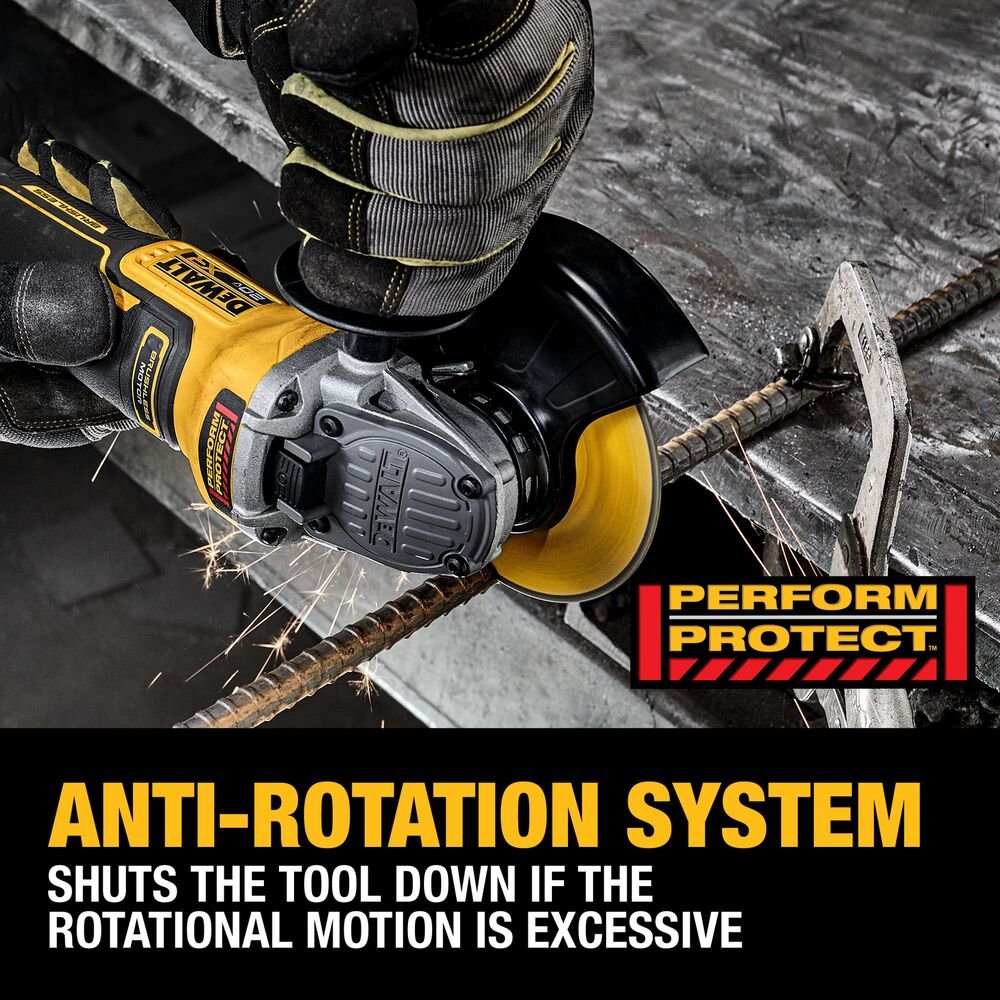
DeWalt Grinder Sparks Excessively: Causes And Safe Fixes
Excessive DeWalt grinder sparks often signal a worn wheel, bad brushes, or a motor fault.
A few sparks can be normal in a brushed DeWalt angle grinder. A bright, steady shower of sparks is not. It can point to carbon brush wear, a damaged commutator, a wrong wheel, poor air flow, or an unsafe work method. This guide explains why a DeWalt grinder sparks excessively, how to check it safely, and when repair is the wiser choice.
Are Sparks From a DeWalt Grinder Normal?
Yes, some sparks are normal. Most DeWalt corded grinders use a brushed motor. Small brushes carry power to the spinning commutator, and this contact can create a light blue or orange spark inside the motor housing.
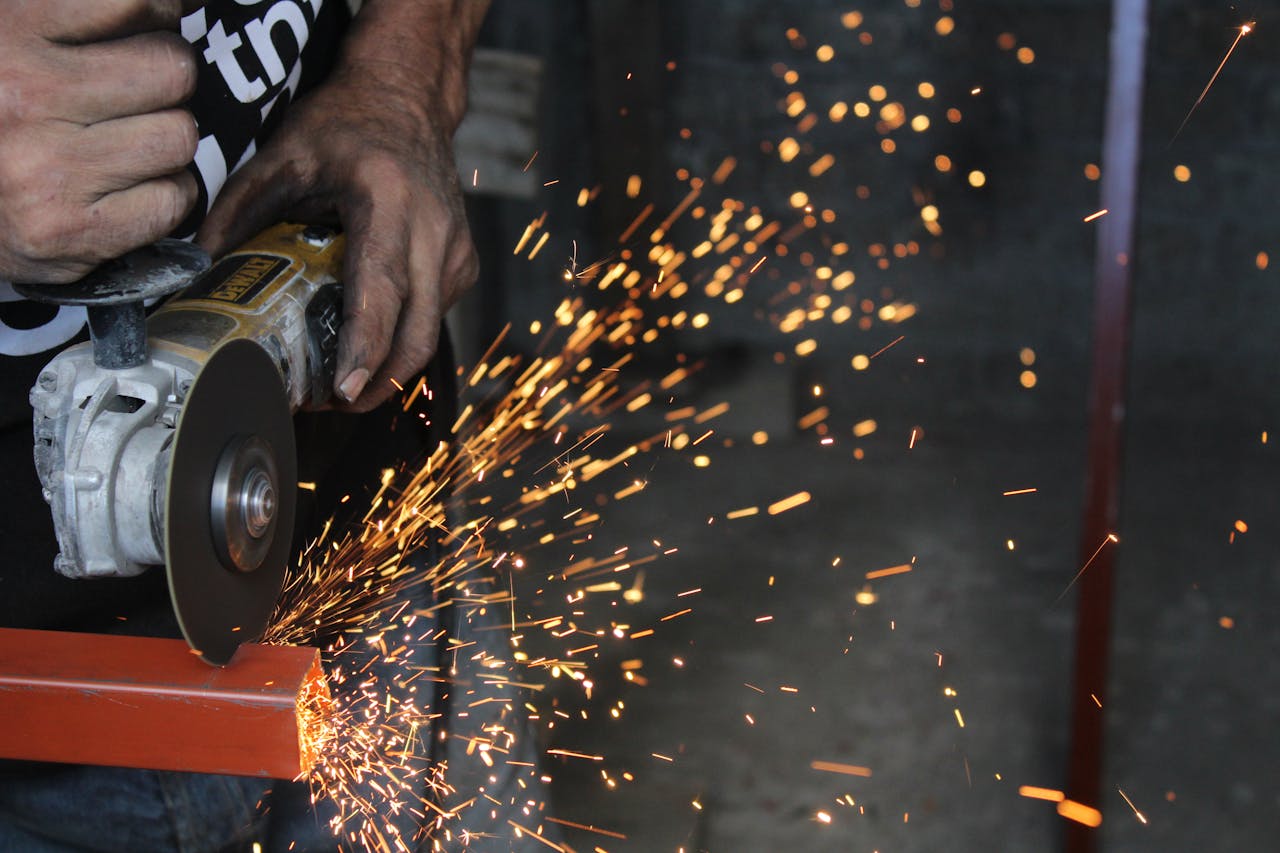
The spark should stay small and fairly even. It should not fill the vents, produce smoke, or grow louder during use. A grinder that throws large sparks from the rear vents needs attention.
Normal sparks may appear when:
• The grinder is under a heavy load for a short time.
• The carbon brushes are bedding in after replacement.
• You cut or grind hard steel.
• The tool starts or stops.
Excessive sparks are more concerning when you notice:
• A bright ring of sparks around the commutator.
• Sparks that shoot from the rear vents.
• A burning smell or visible smoke.
• Sudden power loss or speed changes.
• Loud buzzing, crackling, or grinding.
• A hot housing, plug, cord, or battery.
In my workshop experience, the key difference is behavior. A normal spark is brief and controlled. A failing motor often sparks like a tiny fireworks display and gets worse as the tool heats up.
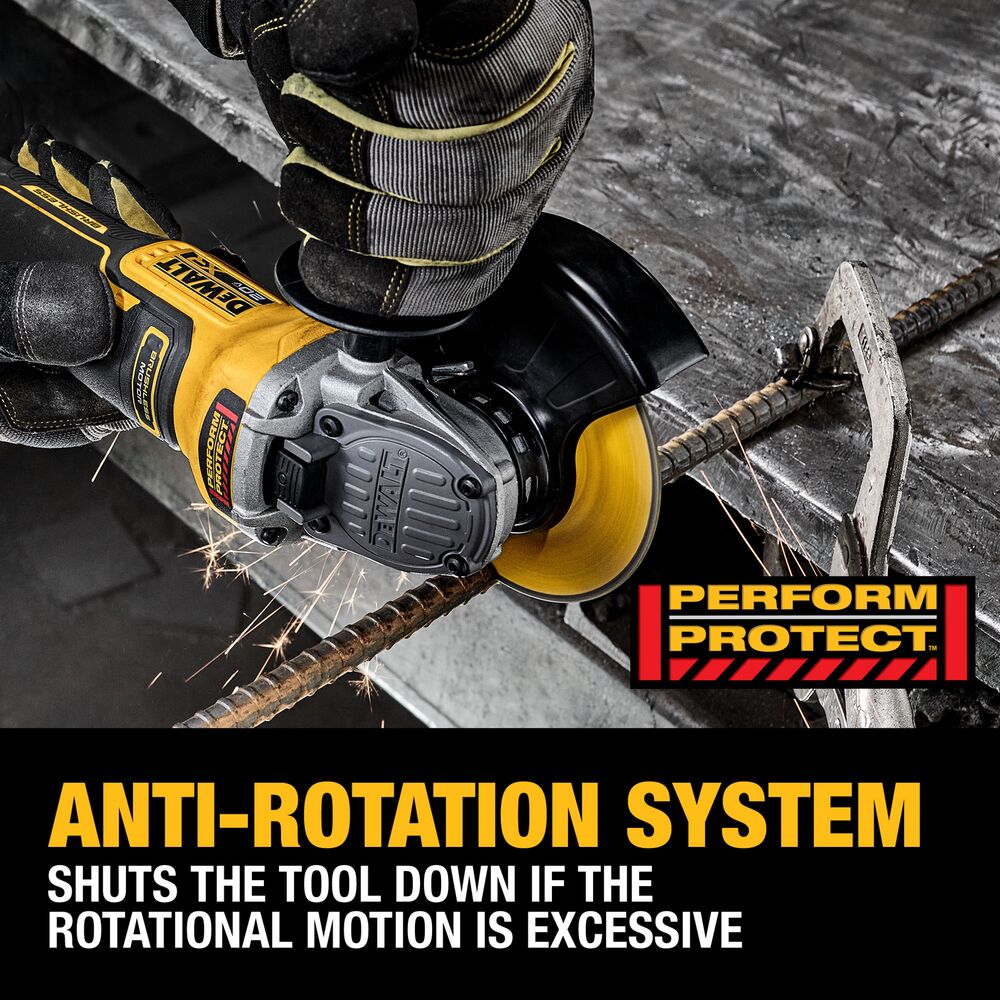
Why Your DeWalt Grinder Sparks Excessively
A DeWalt grinder sparks excessively for several possible reasons. The most common causes involve the brushes, commutator, abrasive wheel, motor load, or power supply.
Worn Carbon Brushes
Carbon brushes wear down over time. They press against the commutator with spring tension, but a short brush may lose proper contact. This can cause arcing, uneven power, and heavy sparking.
Many DeWalt grinders have brush caps that allow inspection. However, the exact design differs by model. Check the manual for your model number before opening the tool.
Replace the brushes if they are:
• Very short compared with new brushes.
• Chipped, cracked, or burned.
• Stuck in their holders.
• Unevenly worn.
• Missing strong spring pressure.
A new brush set may solve the problem if the commutator is still smooth and healthy.
Damaged or Dirty Commutator
The commutator is the copper section that the brushes touch. It should look smooth, clean, and fairly even. Deep grooves, black sections, raised copper bars, or burned spots can create heavy arcs.
A dirty commutator may have carbon dust on its surface. Light dust can sometimes be removed during proper service, but deep damage usually needs professional repair or an armature replacement.
Do not sand the commutator casually while the grinder is assembled. Loose abrasive dust can enter the motor and cause more damage. Never use water or a cleaning spray inside the tool.
Incorrect or Damaged Grinding Wheel
The wheel can also make a DeWalt grinder spark excessively. A wheel that is too aggressive, cracked, glazed, or not rated for the tool may create excess heat and metal spray.
Always match the wheel to:
• The grinder’s rated speed.
• The wheel’s intended material.
• The wheel diameter.
• The correct arbor size.
• The type of operation, such as grinding or cutting.
A grinding wheel is not a cutting wheel, and a cutting wheel is not a grinding wheel. Side pressure on a thin cutting wheel can cause it to flex, break, and throw dangerous fragments.
Excessive Pressure
Pressing too hard is one of the easiest mistakes to make. The wheel slows down, the motor draws more current, and the brushes arc more heavily.
Think of the wheel as a file, not a chisel. Let the abrasive do the work. Use steady pressure and allow the grinder to maintain speed.
This was a lesson I learned early: when a grinder slows under pressure, pushing harder rarely helps. It usually creates more heat, more sparks, and faster wheel wear.
Blocked Cooling Vents
DeWalt grinders use air flow to cool the motor. Metal dust, concrete dust, and rust particles can block the vents or coat the motor.
Poor cooling raises the temperature of the brushes, armature, bearings, and insulation. Heat can then increase sparking and shorten motor life.
Clean the outside vents with dry, clean air or a soft brush. Keep the air stream gentle and avoid forcing dust deeper into the tool.
Failing Armature or Field Coil
A damaged armature can cause strong, uneven sparking. Common signs include:
• A strong burning odor.
• Reduced speed.
• A rough or changing motor sound.
• Sparks that increase under light loads.
• Blackened commutator segments.
• A tool that trips a breaker.
An armature problem is not a simple user repair on most models. If new brushes do not stop a DeWalt grinder from sparking excessively, the armature or field coil may need testing.
Power Supply Problems
Corded grinders can spark or run poorly when the power supply is weak. A long, thin extension cord can cause voltage drop. A damaged plug, loose outlet, or cut cord can also create heat and unstable operation.
Use an extension cord suited to the grinder’s current rating and length. Inspect the cord before every use. Stop immediately if the plug or outlet becomes warm.
Cordless models have different concerns. A weak or damaged battery may cause the grinder to cut out, but heavy motor sparking still usually points to the brushes, commutator, or motor assembly.
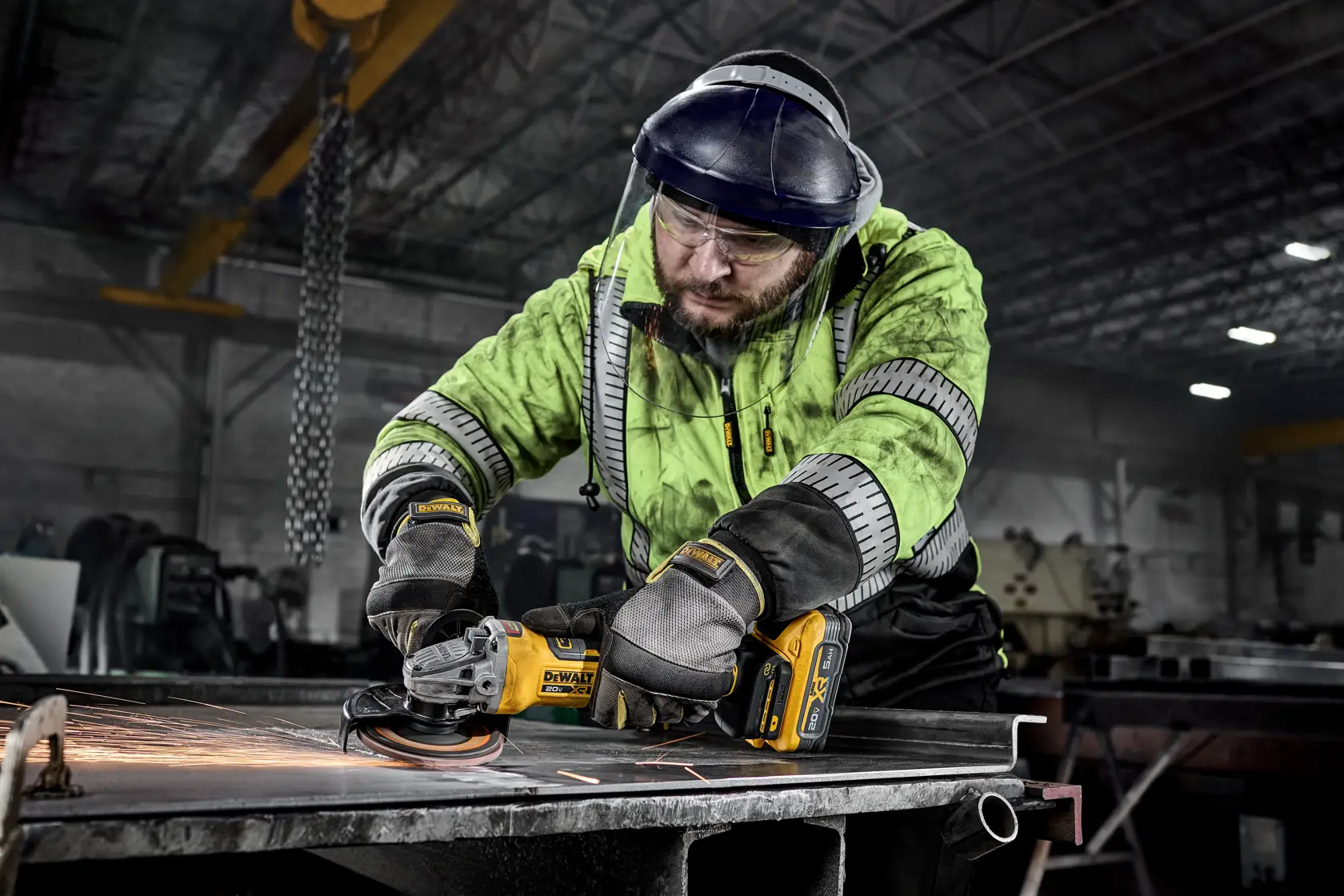
What to Do When a DeWalt Grinder Sparks Excessively
Safety comes first. Do not keep using the grinder to “see if it clears up.” A small fault can become a burned armature or a damaged battery.
Follow these steps:
-
Release the trigger and unplug the grinder.
-
Remove the battery if it is a cordless model.
-
Wait for the wheel to stop completely.
-
Place the tool on a stable surface.
-
Check the wheel for cracks, chips, glazing, or the wrong type.
-
Inspect the cord, plug, guard, and vents.
-
Smell the tool for a burned electrical odor.
-
Check the brush caps if your model allows safe access.
-
Compare the behavior with a known good wheel.
-
Contact a qualified repair center if the sparking continues.
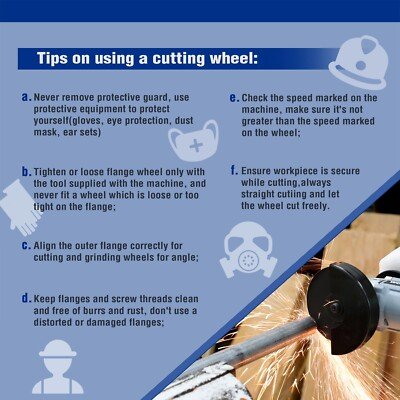
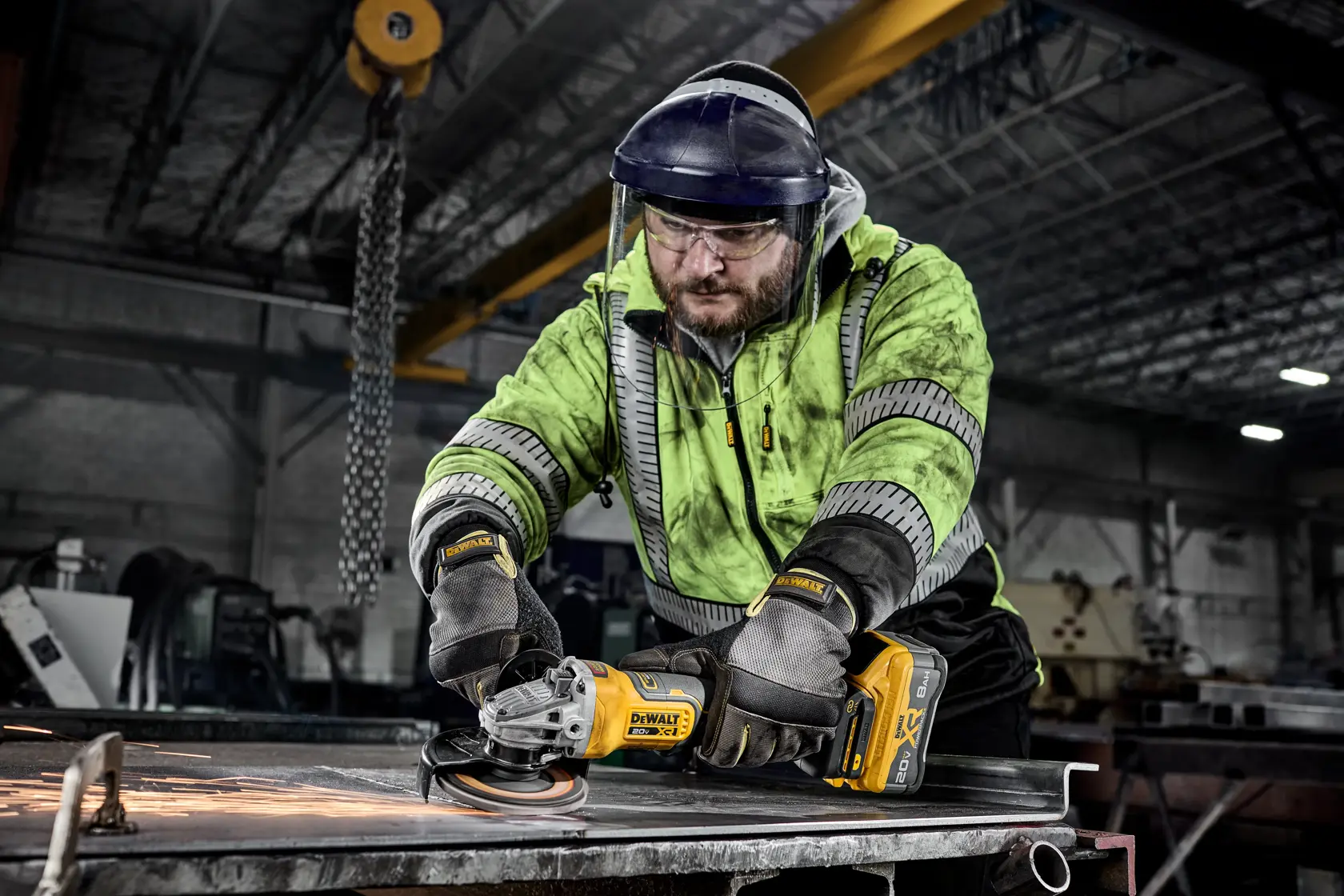
Never test the grinder with the guard removed. Never touch the wheel while it is coasting. Eye protection, hearing protection, gloves suited to the task, and proper clothing are essential, but protective gear does not make a damaged grinder safe.
If the tool produces smoke, a loud bang, melted plastic, or sparks that leave the vents, stop using it at once. Tag it as defective so nobody else picks it up and starts it by mistake.
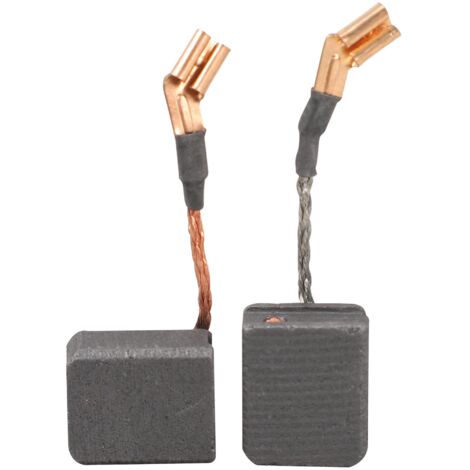
How to Inspect the Brushes
Brush inspection can help locate the cause, but it must be done carefully. Disconnect the power first. For a cordless DeWalt grinder, remove the battery and keep it away from the work area.
Look for brush access caps on the side or rear of the housing. Some models require more disassembly, so follow the model-specific service instructions.
Check both brushes. Replacing only one can create uneven contact. Use the correct DeWalt replacement part or a compatible part listed for the exact model.
During inspection:
• Do not bend the brush springs.
• Do not install a brush that fits poorly.
• Do not mix old and new brushes.
• Do not use a brush with a damaged lead wire.
• Do not run the tool with a missing brush cap.
After installation, run the grinder without a load for a short period in a safe area. A small amount of initial sparking may occur while new brushes seat. Stop if the sparks are large, uneven, or accompanied by heat and odor.
If the commutator is badly grooved or burned, new brushes alone may not fix the issue. They may wear quickly because they cannot maintain smooth contact.
How to Tell Whether the Wheel Is the Problem
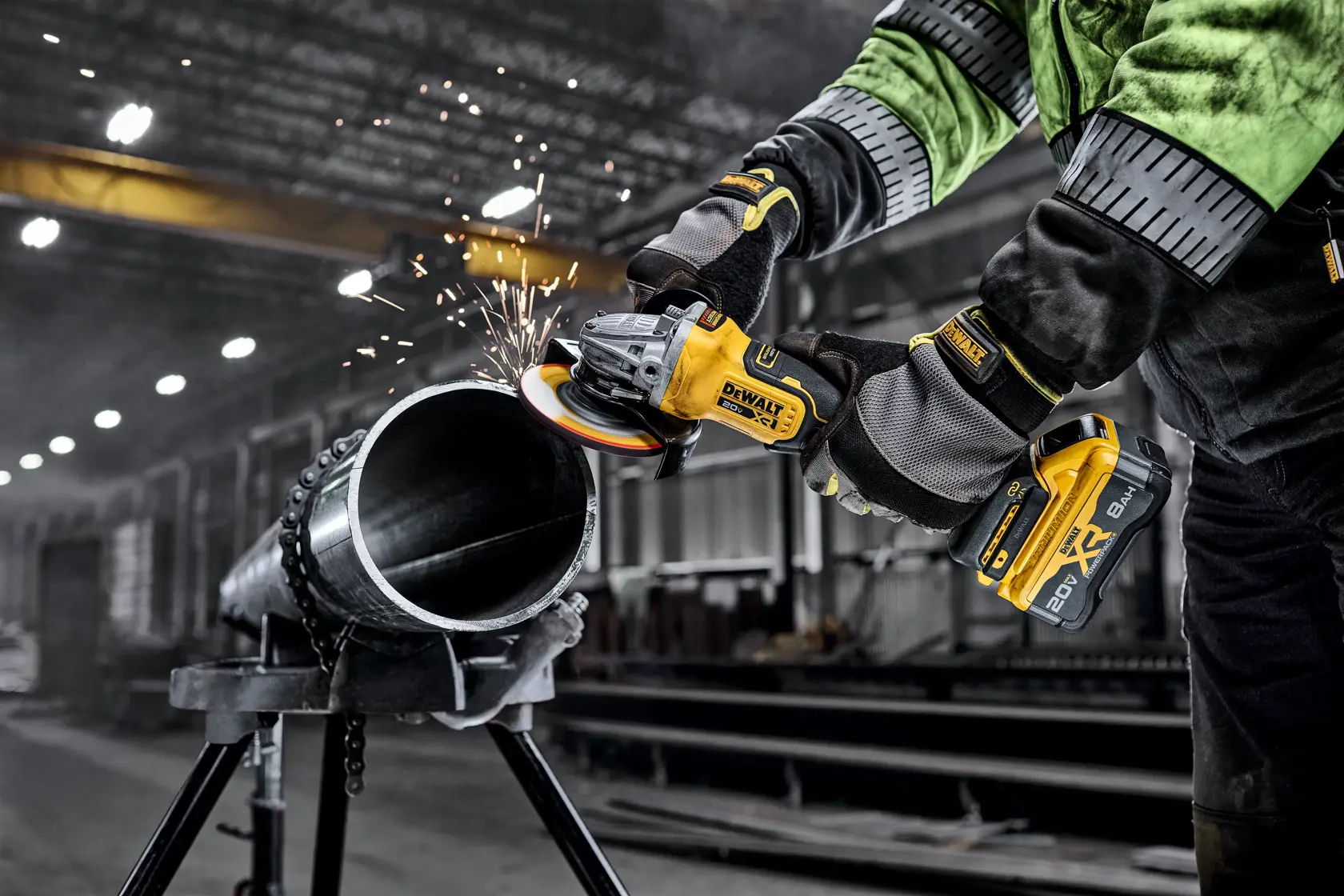
Sometimes the motor is healthy, but the work creates an unusual shower of sparks. This often happens when grinding steel, removing rust, or cutting thick metal.
Try to identify where the sparks come from. Sparks leaving the contact point between the wheel and metal are normal during many metal tasks. Sparks coming from the motor vents are a different warning.
Use this simple check:
• Turn off and unplug the grinder.
• Remove the wheel only if you know the safe procedure.
• Inspect the wheel and flange.
• Install a new, correctly rated wheel.
• Secure the guard and side handle.
• Test the tool briefly without cutting or grinding.
If the motor still throws a bright shower, the wheel was not the main cause. If the motor runs normally but sparks increase only during contact with the work, reduce pressure and confirm the wheel type.
Never use a wheel that is wet, cracked, expired, or stored in poor conditions. Follow the wheel maker’s instructions for storage and speed limits. A wheel can look fine and still be unsafe after impact or improper storage.
Common Repair Options
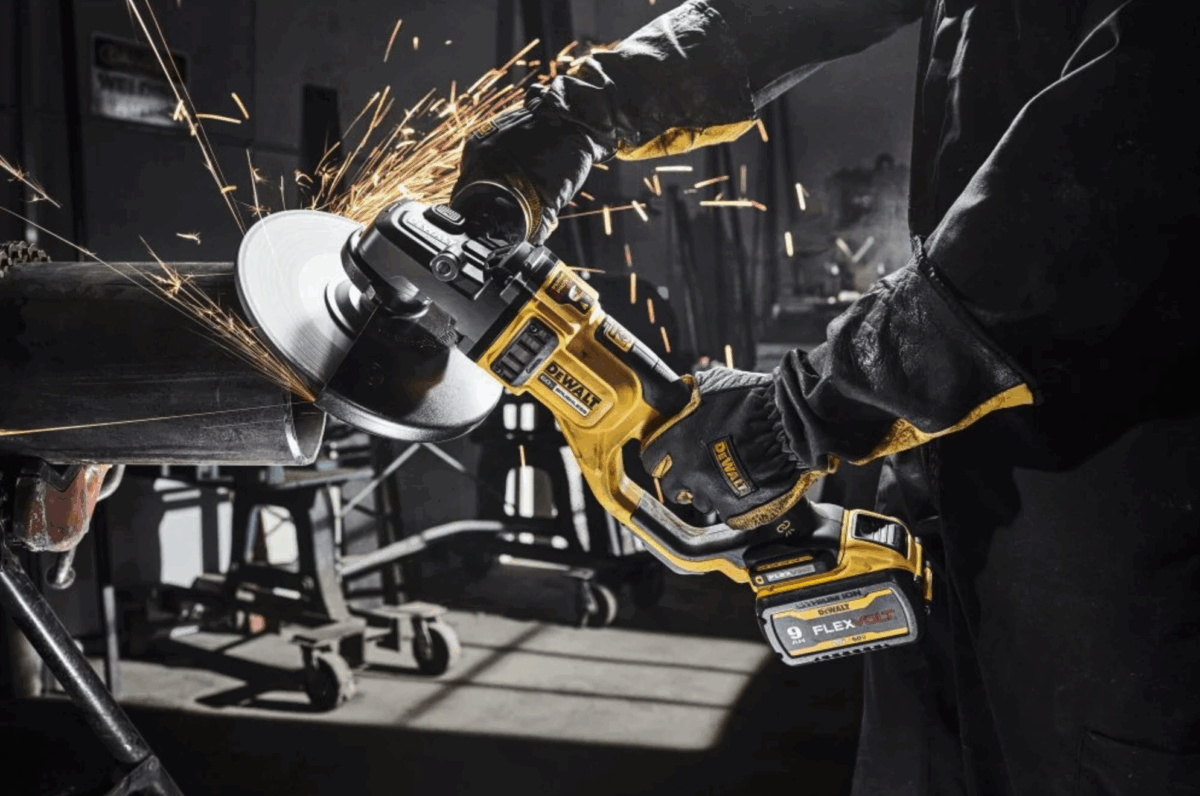
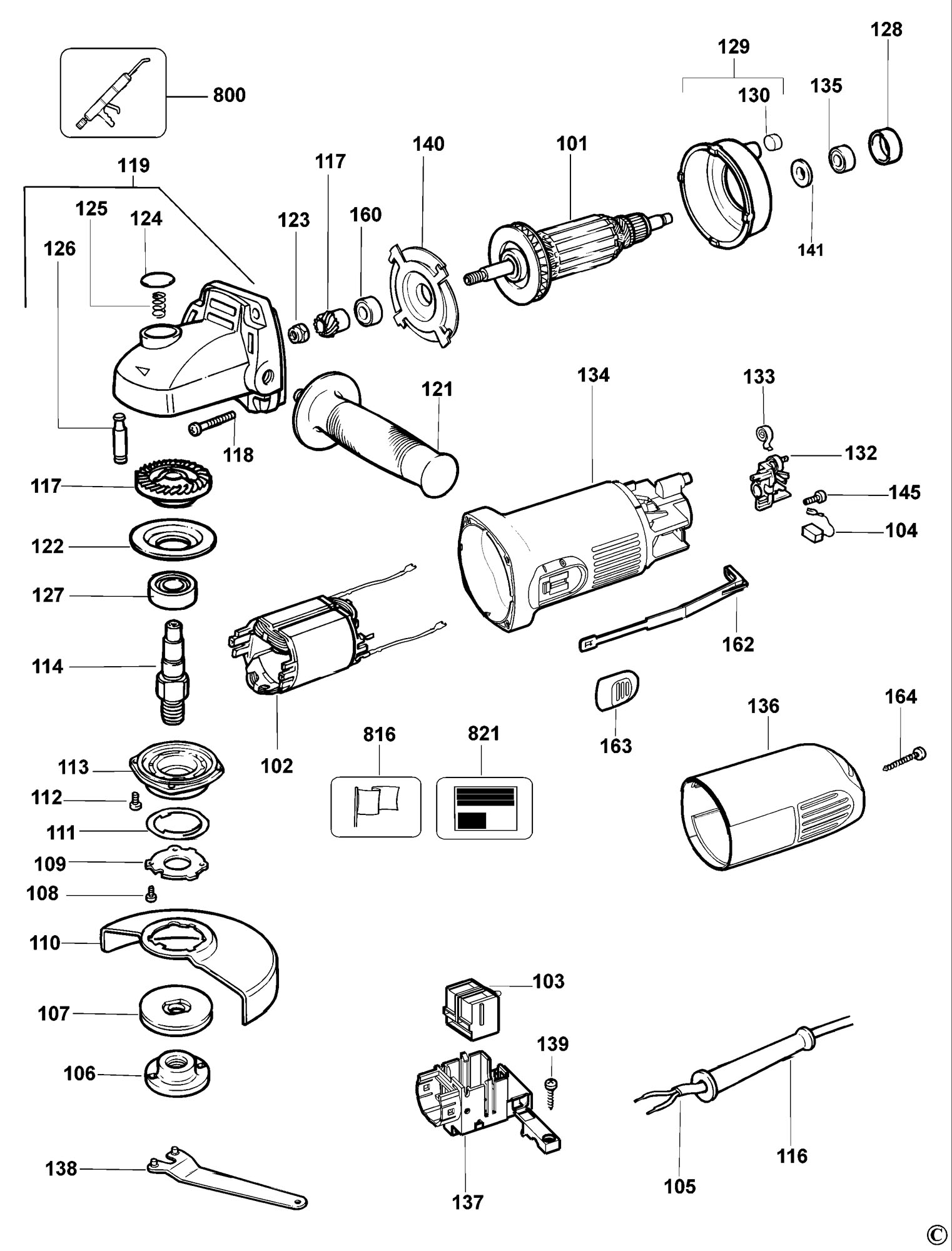
The right repair depends on the fault. A brush replacement is often simple for a trained user. Armature, field coil, bearing, and switch repairs are more involved.
Possible repair paths include:
• Brush replacement for worn or damaged brushes.
• Commutator service for light contamination or minor wear.
• Armature replacement for severe sparking or burned segments.
• Field coil replacement for winding damage.
• Switch replacement for arcing or unreliable control.
• Cord or plug replacement for electrical damage.
• Bearing replacement for grinding or rough rotation.
Repair may be practical for a high-value grinder. For a heavily used, older model, replacement may cost less than professional service. Do not bypass a switch, remove a safety feature, or use an unapproved motor part.
A qualified technician can test the armature and field coil with proper equipment. Visual inspection alone cannot always find an electrical short. This is especially important when a DeWalt grinder sparks excessively but still appears to run.

Mistakes to Avoid
Many grinder failures become worse because the user keeps working after the first warning. Excessive sparks are not a normal sign of “extra power.”
Avoid these mistakes:
• Continuing to grind after smelling burned insulation.
• Pressing hard enough to slow the wheel.
• Using a wheel above the grinder’s rated speed.
• Removing the guard to improve visibility.
• Spraying cleaner into the motor.
• Fitting generic brushes without checking compatibility.
• Using a damaged extension cord.
• Testing a repaired grinder near flammable dust or liquids.
• Holding the workpiece loosely.
• Ignoring a hot plug or outlet.
One mistake I often see is blaming every spark on the metal being cut. Metal sparks at the wheel are expected. Motor sparks behind the vents are not. Learning that difference can prevent a small brush issue from becoming a major electrical failure.
How to Prevent Excessive Sparking
Good care can extend the life of a DeWalt grinder and reduce motor stress. Keep the tool clean, use the right wheel, and avoid forcing the motor.
Before each job:
• Inspect the wheel, guard, handle, cord, and plug.
• Confirm the wheel matches the material and task.
• Check that the vents are clear.
• Make sure the flange and nut are clean and secure.
• Wear eye and face protection when the task requires it.
During use:
• Keep the grinder moving.
• Use light, steady pressure.
• Let the motor maintain its speed.
• Take breaks during long, heavy work.
• Keep sparks away from fuel, solvents, wood dust, and other flammable items.
After use:
• Unplug the tool or remove the battery.
• Let it cool before storage.
• Brush away loose dust from the exterior.
• Store wheels flat and dry when required by their instructions.
• Record unusual noise, heat, or sparking.
A grinder is like a small engine. Clean air, the right load, and regular checks help it run well. Heat and neglect do the opposite.
When Should You Replace the Grinder?
Replace or professionally service the grinder when the motor continues to spark excessively after the correct brushes and wheel have been checked. Replacement is also wise when the housing is cracked, the cord is damaged beyond a simple approved repair, or the tool has suffered a major impact.
Stop using the tool permanently if:
• The motor emits smoke.
• The armature is visibly burned.
• The tool trips breakers repeatedly.
• The switch sticks or fails to release.
• The guard will not stay secure.
• The spindle or wheel wobbles.
• The tool has been exposed to water inside the motor.
The cost of a repair should be compared with the cost of a new grinder and the value of your safety. A failed grinder can damage the workpiece, break a wheel, start a fire, or cause serious injury.
Frequently Asked Questions About DeWalt Grinder Sparks Excessively
Is it normal for a DeWalt grinder to spark?
Small sparks from a brushed motor can be normal, especially during startup or heavy work. Large, bright, uneven, or continuous sparks indicate a possible fault and should not be ignored.
Can worn brushes make a DeWalt grinder spark excessively?
Yes. Worn, cracked, stuck, or poorly seated carbon brushes can lose contact with the commutator and create heavy arcing. Replacing both brushes with the correct parts may solve the issue if the commutator is not damaged.
Why does my DeWalt grinder spark from the vents?
Sparks from the vents often point to a brush, commutator, armature, or field coil problem. Unplug the tool, remove the battery if applicable, and arrange a proper inspection before using it again.
Can a bad grinding wheel cause excessive sparks?
Yes, a wrong, damaged, glazed, or overloaded wheel can create excessive sparks at the work surface. It should not normally cause a large shower of sparks from inside the motor housing.
Should I keep using a DeWalt grinder that sparks but still works?
No. A grinder can continue to run while an electrical fault is causing internal damage. Stop using it if the sparks are large, the tool smells burned, becomes hot, loses speed, or makes unusual noise.
How long do DeWalt grinder brushes last?
Brush life depends on workload, pressure, dust, operating time, and the grinder model. Heavy grinding and poor ventilation wear brushes faster, so inspect them when sparking, power loss, or unusual motor noise appears.
Can I replace DeWalt grinder brushes myself?
Some models have accessible brush caps and allow a careful replacement. Follow the exact service instructions, disconnect all power, replace both brushes when required, and use only parts made for that model.
Conclusion
A DeWalt grinder sparks excessively when the motor, brushes, commutator, wheel, cooling system, or power supply is under trouble. Light internal sparking can be normal, but bright and steady arcing, smoke, heat, odor, or power loss means you should stop.
Start with safe checks: disconnect power, inspect the wheel, clear the vents, examine the cord, and check the brushes if the model allows it. If the sparks continue, have the grinder tested or replace it. Use the advice above before your next job, and share your grinder symptoms or repair experience in the comments.